




















Find Top Patella Alta Treatment For Better Knee Stability
Find top patella alta treatment for better knee stability. Explore expert care options to reduce pain, restore function, and get back to active living.
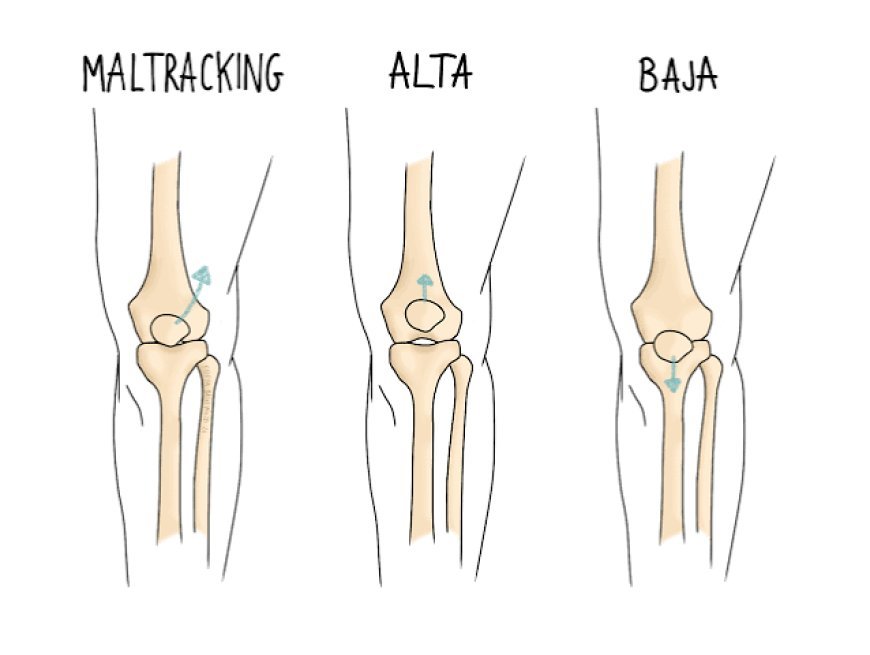
Many people experience knee pain while walking, climbing stairs, or exercising without knowing the real cause. One possible reason is a condition called patella alta, where the kneecap sits higher than normal. This position can affect how the knee moves and may lead to instability over time.
Early evaluation helps identify the problem before it limits daily activity. If you are experiencing persistent knee pain, instability, or difficulty with daily activities, understanding your options for patella alta treatment is essential. Seeking timely care from a knee pain doctor in Plano can help prevent worsening symptoms.
What is Patella Alta and Why Does It Happen?
Patella alta treatment is often needed when the kneecap sits higher than its normal position in the thigh bone groove. This condition can affect how the knee bends and straightens. When the kneecap does not track properly, it may create uneven pressure inside the joint and lead to movement problems.
This condition may develop due to natural bone structure, growth patterns, or previous knee injuries. Some individuals are born with this knee alignment, while others develop it over time. Repeated stress or sports activities can also contribute. Understanding the cause is important for selecting the right treatment approach and improving knee stability.
Patella Alta Signs & Symptoms
People with patella alta symptoms often notice knee instability during movement. The knee may feel weak or unstable while walking or changing direction. Some individuals also experience difficulty bending the knee fully, which can affect daily activities like sitting or squatting.
Another common sign is a feeling that the kneecap is not moving smoothly. The knee may click or shift during movement. These symptoms can increase after physical activity or long periods of standing. Early attention helps reduce the risk of long-term joint problems and supports better mobility.
Severe Patella Alta and Its Impact on Daily Life
In severe patella alta cases, the kneecap sits significantly higher than normal, leading to more noticeable movement issues. This can make it difficult to perform basic activities such as walking up stairs, running, or standing for long periods. The knee may feel unstable or weak during movement.
Over time, severe cases can place extra pressure on cartilage and surrounding structures. This may lead to reduced flexibility and ongoing knee strain. People with this condition often limit physical activity due to fear of pain or instability. Early medical care can help manage symptoms and protect joint function.
Non Surgical Patella Alta Treatment Options
Many patients benefit from early-stage care without surgery. Pain management in Plano often includes therapies that help reduce strain on the knee and improve movement. These methods focus on strengthening muscles and supporting joint function.
Non-surgical options may include structured exercise programs, guided rehabilitation, and activity adjustments. These approaches aim to improve knee control and reduce stress on the patella. In many cases, early care can prevent the condition from becoming more serious.
High riding patella treatment focuses on improving kneecap alignment and reducing stress on the knee joint. Treatment depends on the severity of symptoms and how much the condition affects movement. Some patients improve with non-surgical care, while others may require advanced procedures.
Common Non Surgical Options
Patients seeking care in Texas often visit specialists for a full evaluation. A knee pain doctor in Plano can assess knee structure and recommend the most suitable plan. Treatment goals include improving stability, reducing pain, and helping patients return to normal activities.
Before listing options, it is important to understand that each treatment plan is based on individual needs and knee condition severity.
-
Physical therapy to improve muscle strength
-
Knee support or bracing for stability
-
Guided stretching routines
-
Anti-inflammatory medication under supervision
-
Activity modification to reduce knee strain
-
Ice therapy for swelling control
When Surgery Becomes Necessary for Knee Stability
In some cases, non-surgical care may not provide enough improvement. When instability continues or knee function is affected significantly, surgical correction may be recommended. Surgery aims to reposition or stabilize the kneecap for better movement.
A knee pain clinic in Plano may suggest surgery if imaging shows structural misalignment or severe tracking issues. Procedures are designed to restore balance in the knee joint and improve long-term function. Recovery plans usually include rehabilitation to rebuild strength and mobility.
How to Protect Knee Stability?
Maintaining knee health is important for preventing worsening symptoms and supporting treatment results. Small daily habits can reduce stress on the knee joint and improve stability.
-
Strengthen thigh and leg muscles regularly
-
Avoid sudden high-impact movements
-
Maintain a healthy body weight
-
Use proper form during exercise
-
Rest the knee after intense activity
-
Follow guided rehabilitation exercises
Conclusion
The right patella alta treatment depends on the severity of your condition, symptoms, and lifestyle needs. From physical therapy and bracing to advanced medical interventions, timely treatment can help restore knee stability and improve quality of life. If knee instability is affecting your routine, seek expert pain management today and explore personalized treatment options with Dr. Rao K Ali for stronger and more stable knees.
Frequently Asked Questions
What causes patella alta?
Patella alta may be caused by natural bone structure, growth patterns, or previous knee injuries that affect kneecap positioning.
Can patella alta get worse over time?
Yes, if left unmanaged, it may lead to increased instability and joint stress during movement.
Is surgery always needed for patella alta?
No, many cases improve with non-surgical care, depending on severity and symptoms.
How is patella alta diagnosed?
Doctors use physical examination and imaging tests to assess kneecap position and joint alignment.
Can exercise help patella alta?
Yes, guided exercises can strengthen muscles and improve knee stability when done correctly.
What's Your Reaction?
 Like
0
 Dislike
0
 Love
0
 Funny
0
 Angry
0
 Sad
0
 Wow
0