


















Where to Buy Pure Red Wiggler Composting Worms Online Today

Starting a vermicomposting system is one of the most practical ways to recycle kitchen scraps and turn organic waste into valuable compost. However, choosing the right worms is an important first step. Not every earthworm species is suitable for compost bins, and purchasing the wrong variety can make the composting process less effective.
For beginners and experienced composters alike, Red Wigglers are among the most popular choices because they thrive in organic-rich environments and efficiently break down food waste.
If you're searching for where to buy pure Red Wiggler composting worms, it's important to look beyond price and availability. Species identification, worm health, packaging, and supplier reliability should all be considered before placing an order.
This guide explains what makes Red Wigglers suitable for composting, how to identify quality worms, and where to find reliable online suppliers.
Why Are Red Wigglers the Best Choice for Composting?
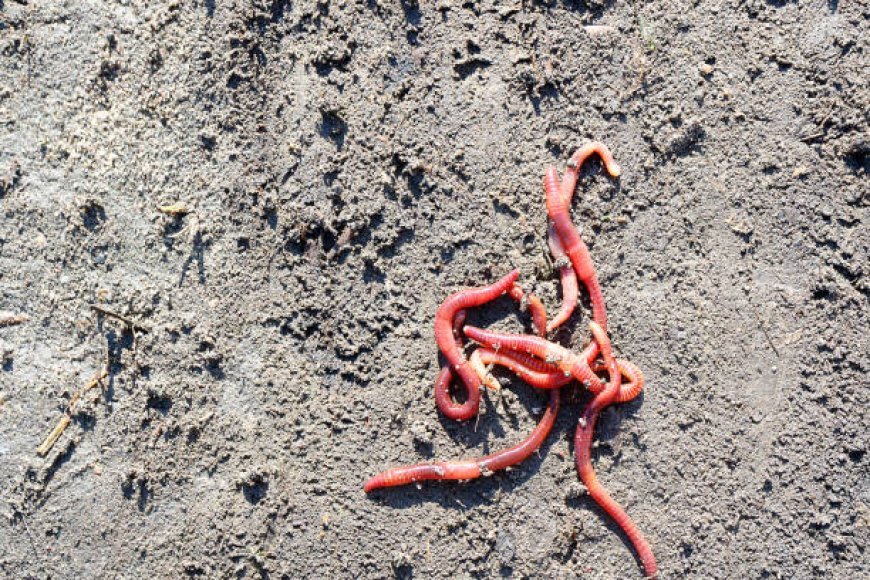
Red Wigglers, commonly identified as Eisenia fetida, are surface-dwelling composting worms that naturally live in environments rich in decomposing organic matter.
Unlike many earthworms that spend most of their time deeper in the soil, Red Wigglers thrive in the upper layers of organic material. This makes them particularly suitable for managed composting systems and home worm bins.
Here are some reasons why composters prefer them.
1. Efficient Organic Waste Processing
Red Wigglers consume decomposing organic materials, including fruit and vegetable scraps, coffee grounds, and other suitable composting materials.
Their feeding activity helps break down organic waste and convert it into vermicompost.
2. Production of Nutrient-Rich Worm Castings
One of the biggest benefits of keeping Red Wigglers is the production of worm castings.
These castings contain organic matter and plant nutrients that can be incorporated into garden soil to support healthy plant growth.
3. Suitable for Indoor and Outdoor Worm Bins
Red Wigglers can thrive in properly maintained indoor and outdoor composting systems.
This makes them a practical option for homeowners, apartment gardeners, schools, and small-scale composting projects.
4. Reproduce in Suitable Conditions
When provided with adequate food, moisture, bedding, and temperature conditions, Red Wigglers can reproduce and help maintain an ongoing composting population.
This makes them useful for people interested in long-term vermicomposting.
Where to Buy Pure Red Wiggler Composting Worms Online?
Finding a reliable supplier is one of the most important parts of starting a worm composting system.
Many online sellers offer composting worms, but buyers should check whether the product contains the intended species or a mixture of different worm varieties.
One supplier worth exploring is Meme's Worms, a family-operated worm farm based in Valdosta, Georgia.
The company offers dedicated Red Wiggler composting worm products for beginners and experienced vermicomposters.
Its Pure Red Wiggler Composting Worms (Eisenia fetida) product page provides information about the worm species, available quantities, packaging, and care requirements.
The listing also explains the importance of selecting the appropriate composting worms rather than purchasing an unidentified mixture.
For people planning larger composting projects, Meme's Worms also offers a Bulk Pure Red Wiggler Composting Worms option.
Before ordering, check current availability, shipping conditions, and the supplier's live-arrival policy.
How to Identify Pure Red Wiggler Composting Worms
Not every red-colored worm sold online is necessarily a Red Wiggler.
Some sellers offer mixed composting worm populations, while others may list different species under similar product descriptions.
If species identity matters to your composting project, consider these factors.
1. Check the Scientific Name
The scientific name commonly associated with Red Wigglers is Eisenia fetida.
Look for suppliers that clearly identify the species in their product descriptions instead of using only general terms such as red worms or composting worms.
2. Avoid Unidentified Worm Mixtures
Mixed worm populations can contain multiple species with different environmental requirements.
If you specifically want Red Wigglers, check whether the supplier explains its breeding and stock-separation practices.
3. Review Supplier Information
A trustworthy supplier should provide details about how worms are raised, packaged, and shipped.
Clear product descriptions make it easier to understand exactly what you're purchasing.
4. Understand Species Identification Limitations
Visual identification alone cannot always confirm the exact species of an individual worm.
Some closely related Eisenia species can have overlapping physical characteristics. Without laboratory genetic testing, absolute species-level certainty may not be possible.
Buyers should therefore pay attention to supplier transparency and the way species claims are presented.
What to Look for Before Buying Red Wiggler Composting Worms?
Choosing the right online supplier involves more than comparing product prices.
Here are some important things to review before purchasing.
Worm Health and Condition
Healthy worms should be appropriately moist and responsive.
Check whether the supplier explains its handling procedures and how it prepares worms for transportation.
Available Package Sizes
Different composting projects require different starting populations.
Small household bins may need less material than commercial composting operations.
Look for sellers offering multiple package sizes so you can select an appropriate quantity.
Packaging and Shipping
Live worms require breathable packaging and suitable moisture conditions during transportation.
Extreme temperatures can also affect their survival, so check whether the supplier has weather-related shipping procedures.
Live Arrival Guarantee
A clear live-arrival policy can provide additional reassurance when purchasing living organisms online.
Read the policy carefully, including notification deadlines and the evidence required for a potential claim.
Customer Support
Good customer support is especially useful for beginners who may have questions about worm-bin setup, feeding, and maintenance.
Suppliers that provide practical guidance can make the experience easier.
How Many Red Wigglers Should You Buy for a Composting Bin?
The right number of worms depends on your bin size, daily food waste, and composting goals.
For a small household system, starting with around half a pound to one pound of worms can be a practical approach.
A larger household or a composting project that produces more organic waste may require a bigger starting population.
Consider these general guidelines:
-
Half a pound: A smaller starting population for beginners.
-
One pound: A practical starting quantity for many household worm bins.
-
Two pounds: An option for larger systems with greater food-waste capacity.
-
Larger quantities: More appropriate for commercial or community composting operations.
The amount of food waste you produce and the available bin surface area should guide your final decision.
Starting with an appropriate population is generally better than overcrowding a new composting system.
How to Set Up a Red Wiggler Composting Bin
After purchasing your worms, the next step is preparing a suitable environment.
A properly maintained worm bin helps Red Wigglers remain active and process organic waste efficiently.
1. Choose the Right Container
Select a container that provides enough space for the worm population.
Plastic storage bins, wooden containers, and purpose-built worm composters are commonly used.
Make sure the system has adequate drainage and ventilation.
2. Prepare Suitable Bedding
Red Wigglers need bedding that holds moisture while allowing airflow.
Common bedding materials include:
-
Shredded cardboard.
-
Uncoated paper.
-
Coco coir.
-
Aged compost.
-
Dry leaves.
Moisten the bedding until it feels like a wrung-out sponge.
3. Add the Red Wigglers
Once the bedding is prepared, gently introduce the worms into the bin.
Give them time to settle into their new environment before adding large amounts of food.
4. Start Feeding Gradually
Red Wigglers can consume a variety of organic materials.
Suitable foods include fruit scraps, vegetable scraps, coffee grounds, and small amounts of other plant-based materials.
Avoid meat, dairy, oily foods, and excessive citrus.
5. Monitor Moisture and Temperature
Maintain a moist environment and avoid exposing the bin to extreme temperatures.
A commonly recommended temperature range for active Red Wiggler composting is approximately 55°F to 77°F.
Regularly check the bedding and adjust moisture when necessary.
How Do Red Wigglers Improve Compost Quality?
Red Wigglers contribute to the decomposition of organic waste by consuming and processing biodegradable materials.
The resulting vermicompost is commonly used in gardening and agriculture.
Improve Organic Matter Content
Worm castings add organic material to garden soil and can contribute to better soil structure.
Support Nutrient Availability
Vermicompost contains nutrients that can support plant growth.
Its exact nutrient composition depends on the materials processed by the worms.
Support Beneficial Microbial Activity
Vermicomposting encourages microbial activity associated with organic matter decomposition and nutrient cycling.
Help Reduce Household Organic Waste
A worm bin provides a practical way to process suitable kitchen scraps instead of sending all organic waste to landfills.
For gardeners who want to reduce waste while improving their soil-management practices, vermicomposting can be a valuable addition.
Red Wigglers vs. Regular Garden Earthworms: What's the Difference?
Although both are earthworms, they have different environmental preferences and roles.
Red Wigglers are adapted to surface-level organic material, while many common garden earthworms live deeper in mineral soil.
|
Feature |
Red Wigglers |
Common Garden Earthworms |
|
Main habitat |
Organic-rich surface layers |
Mineral soil |
|
Composting suitability |
Excellent |
Species-dependent |
|
Worm-bin use |
Highly suitable |
Usually less suitable |
|
Food preference |
Decomposing organic matter |
Varies by species |
|
Best application |
Vermicomposting |
Natural soil processes |
For a managed composting system, Red Wigglers are generally a more suitable choice than simply collecting random earthworms from the garden.
Are Pure Red Wiggler Composting Worms Worth Buying?
For anyone interested in home composting, organic gardening, or reducing household waste, Red Wigglers can be a worthwhile investment.
They help process biodegradable materials and produce worm castings that can be used as a soil amendment.
However, success depends on choosing the right worms and providing suitable conditions.
Before purchasing, compare suppliers, check species descriptions, review shipping policies, and select a quantity appropriate for your composting setup.
Final Thoughts: Choosing the Right Red Wiggler Supplier
Finding pure Red Wiggler composting worms online becomes much easier when you know what to look for.
Focus on clear species identification, healthy worm stock, appropriate packaging, and reliable customer support.
Red Wigglers are an excellent option for people who want to establish a home vermicomposting system or expand an existing organic waste-management project.
If you're comparing online suppliers, Meme's Worms is worth exploring for its dedicated Red Wiggler composting worm listings and additional vermiculture supplies.
Choosing the right composting worms is the first step toward building a productive worm bin and turning everyday organic waste into a valuable resource for your garden.
What's Your Reaction?
 Like
0
 Dislike
0
 Love
0
 Funny
0
 Angry
0
 Sad
0
 Wow
0