





























Why Is Your Hair Thinning Around the Temples?
Hair thinning around the temples can be a frustrating experience for women, particularly when the rest of the scalp appears relatively normal. The hairline may gradually look less dense, shorter strands may become noticeable near the forehead, or familiar hairstyles may no longer provide the same coverage.

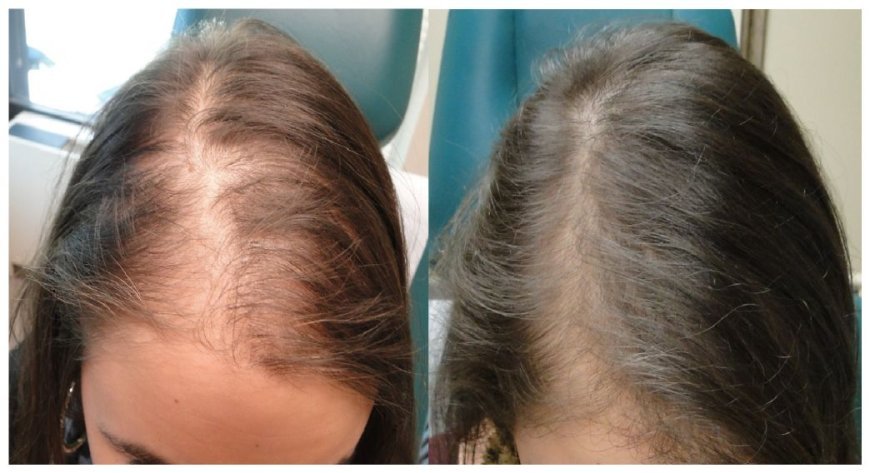
Hair thinning around the temples can be a frustrating experience for women, particularly when the rest of the scalp appears relatively normal. The hairline may gradually look less dense, shorter strands may become noticeable near the forehead, or familiar hairstyles may no longer provide the same coverage. Because these changes can develop slowly, many women do not recognize the pattern until the temples become more visible.
Choosing Female Hair Loss Treatment in Islamabad begins with identifying why the hair is becoming thinner in this particular area. At Enfield Royal Clinic in Islamabad, women can discuss changes in hair density, possible scalp conditions, and treatment options suited to their individual needs.
What Causes Hair Loss Around the Temples?
Several conditions can affect the hair around the temples. The pattern, speed of progression, and presence of other symptoms can help a healthcare professional determine which causes should be investigated.
Female pattern hair loss may produce gradual thinning across the top of the scalp and sometimes around the frontal hairline. Genetics and sensitivity to hormonal influences can contribute to this condition.
Another possibility is traction alopecia, which develops when repeated pulling places stress on the hair follicles. Tight ponytails, braids, buns, extensions, and other hairstyles that create constant tension may affect the temples because these areas experience considerable pulling.
Temporary shedding related to childbirth, illness, significant stress, or nutritional deficiencies can also make the hairline look less full. However, thinning limited to the temples may require a different assessment from shedding across the entire scalp.
Female Hair Loss Treatment in Islamabad can help women explore these possibilities instead of assuming that every case of temple thinning has the same cause.
Can Tight Hairstyles Damage the Hairline?
Yes. Repeated tension can damage hair follicles, particularly when hairstyles are consistently tight or painful. Early traction alopecia may cause broken hairs, tenderness, or thinning around the forehead and temples.
Women who frequently wear tightly secured hairstyles can reduce further tension by choosing looser styles and avoiding accessories that pull on the same areas every day. It is also helpful to limit extensions that place excessive weight on the natural hair.
Early traction-related changes may improve when the pulling stops. However, prolonged traction can cause permanent follicular damage in some cases, making early recognition important.
If thinning continues despite changing hairstyles, professional evaluation can help determine whether another condition is contributing to the problem.
How Can You Recognize Early Temple Thinning?
Temple thinning does not always begin with a clearly visible bald area. It may start with subtle changes that become more noticeable over time.
Look for signs such as:
-
Reduced density near one or both temples.
-
Short, broken hairs around the frontal hairline.
-
A gradual change in the shape of the hairline.
-
More visible scalp when tying the hair back.
-
Tenderness or discomfort after wearing tight hairstyles.
-
Continued thinning despite changes to hair-care habits.
These symptoms are not enough to establish a diagnosis. Sudden recession, smooth patches, redness, scaling, or loss of eyebrow hair may indicate a condition that needs prompt medical assessment.
At Enfield Royal Clinic in Islamabad, discussing the history of these changes can help determine whether further investigation is appropriate before selecting Female Hair Loss Treatment in Islamabad.
Can Hormonal Changes Affect the Temples?
Hormonal changes can influence hair growth, but their effects differ from person to person. Some women experience increased shedding after childbirth, during menopause, or following other significant hormonal changes. Female pattern hair loss may also become more apparent with age.
Thyroid disorders and certain medical conditions can contribute to hair thinning as well. If hair changes occur alongside irregular menstrual periods, unusual fatigue, unexplained weight changes, or other symptoms, a healthcare professional may consider whether additional evaluation is needed.
Hormones should not be assumed to be the cause simply because the thinning occurs in a woman. An examination of the scalp, medical history, and sometimes laboratory tests may be necessary to identify the underlying issue.
Which Treatments May Help Temple Hair Loss?
The best treatment depends on the cause, the condition of the follicles, and how long the thinning has been present.
Medical Treatment
For selected cases of female pattern hair loss, topical minoxidil may help maintain existing hair and improve density over time. It is not suitable for everyone, and potential side effects, pregnancy considerations, and other medical factors should be reviewed with a healthcare professional.
Other medications may be considered in specific circumstances, depending on the diagnosis. Treatment should never be selected solely because a product claims to regrow hair around the temples.
Changes to Hair-Care Habits
If repeated pulling is contributing to thinning, reducing tension is an important part of management. Gentle brushing, avoiding tight hairstyles, and limiting damaging chemical treatments can help reduce further stress on fragile hair.
These measures may prevent additional damage, but they cannot reverse every form of hair loss. Long-standing traction alopecia may require specialist evaluation.
Specialist Hair Restoration Options
When thinning persists, a clinician may discuss whether additional treatments or hair restoration procedures are appropriate. Suitability depends on the cause of the loss, the availability of healthy donor hair when transplantation is considered, and the condition of the scalp.
At Enfield Royal Clinic in Islamabad, women exploring Female Hair Loss Treatment in Islamabad can discuss potential benefits, limitations, and realistic expectations before making a decision. No particular procedure guarantees complete restoration, and some conditions require medical management rather than surgery.
How Can You Support Healthier Hair Growth?
Healthy routines can help protect the hair while the underlying cause is being addressed. A balanced diet with sufficient protein and essential nutrients supports normal hair growth. If a nutritional deficiency is suspected, professional assessment can help determine whether testing or supplementation is necessary.
Avoid excessive heat styling, aggressive brushing, and hairstyles that repeatedly pull on the temples. Use gentle products suited to your scalp and avoid applying irritating treatments to areas that are already inflamed.
It can also be helpful to take occasional photographs under similar lighting conditions. This makes it easier to compare changes over time without relying on daily observations, which can be misleading.
When Should You Seek Professional Advice?
Consider a professional assessment if temple thinning continues, the hairline is progressively changing, or the affected areas become increasingly visible. Seek prompt medical evaluation if hair loss develops suddenly or is accompanied by pain, inflammation, scaling, or distinct bald patches.
Early assessment may help identify traction-related damage before it becomes permanent and can distinguish hereditary thinning from other scalp conditions. The earlier the underlying cause is understood, the easier it may be to choose an appropriate management plan.
Where Can Women Explore Hair Loss Treatment in Islamabad?
Temple thinning can affect confidence, but effective management starts with understanding the reason behind the change. Some women benefit from adjusting their hairstyling habits, while others may need medical treatment or further investigation into an underlying condition.
Female Hair Loss Treatment in Islamabad should be tailored to the individual's hair-loss pattern, scalp health, medical history, and treatment goals. At Enfield Royal Clinic in Islamabad, women can discuss their concerns and explore suitable options with realistic expectations about possible improvement.
What's Your Reaction?
 Like
0
Like
0
 Dislike
0
Dislike
0
 Love
0
Love
0
 Funny
0
Funny
0
 Angry
0
Angry
0
 Sad
0
Sad
0
 Wow
0
Wow
0