























Why the Right Roller Can Make a Difference During Large Renovation Projects

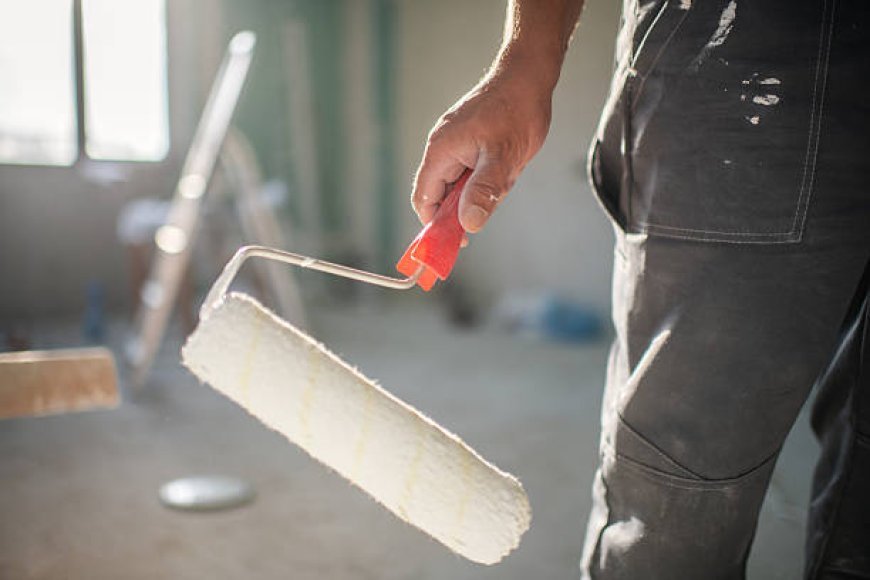
Large renovation projects have a way of making small decisions look bigger than they first seem. Choosing paint, preparing walls, and planning the work all matter, but the tools used along the way can change the final result too. A roller might not seem like a major investment, yet using the wrong one can leave streaks, waste paint, and slow down an entire crew. When comparing paint rollers for sale, it helps to look beyond the price tag and think about the surface, coating, and amount of work involved. Truth is, a decent roller makes the job easier. A poor one can turn a straightforward renovation into a long, frustrating week.
Why Roller Selection Matters on Large Jobs
Painting a single bedroom is one thing. Painting an apartment building, a warehouse, or several floors of commercial space is another matter entirely. On larger jobs, even a small difference in application speed adds up over hundreds or thousands of square feet. The right roller cover holds enough paint to cover a good-sized area without constant trips back to the tray. It also releases paint evenly, which helps avoid patchy spots and visible roller marks. Workers can keep moving instead of stopping every few minutes to fix mistakes. That saves time, sure, but it also reduces wasted material and unnecessary labour. When deadlines are tight, those details count.
Choosing the Right Nap for Different Surfaces
Roller nap refers to the thickness of the fabric covering the roller, and it has a direct effect on how paint reaches the surface. Smooth walls and finished plaster generally work well with a shorter nap, while rough masonry, textured walls, and unfinished concrete often need a thicker one. Using a short nap on a rough wall usually means poor coverage in recessed areas. Then someone has to go back over the same section. Nobody enjoys doing a job twice. On the other hand, a thick nap on a smooth surface may leave an unwanted texture. Before buying supplies, check what the crew will actually be painting. One roller type rarely suits every surface in a large renovation.
Material Compatibility Is More Important Than You Think
Not all roller covers handle paint the same way. Microfiber, woven fabric, and synthetic materials each have their place, depending on the coating and finish required. Some covers are designed for water-based paints, while others can handle tougher coatings and solvent-based products. The manufacturer's instructions are worth reading before making a choice. It sounds obvious, but renovation teams sometimes grab whatever is available and hope it works. That can lead to shedding fibres, uneven application, or covers that deteriorate before the job is finished. When several workers are painting different areas, matching the roller to the coating helps keep the finish consistent. It also avoids having to replace equipment halfway through the day.
Better Coverage Means Less Wasted Time
A roller that carries paint properly can cover more ground between refills. That might not sound like much, but consider a project with multiple rooms, long corridors, or large exterior walls. Every unnecessary trip to reload the roller interrupts the workflow. Add uneven coverage to the equation and the crew may need another coat in places where the first application should have been enough. Of course, paint quality and surface preparation matter just as much, so a roller isn't going to fix every problem. Still, using suitable equipment makes the process more predictable. Workers can maintain a steadier pace, supervisors spend less time checking patchy areas, and the project has a better chance of staying on schedule.
Comfort and Durability Matter for Professional Crews
Large renovation work can mean hours of rolling walls, ceilings, and other surfaces, often with very few breaks between sections. A comfortable handle and a balanced roller frame help reduce hand fatigue, especially when workers need to reach overhead or cover tall walls. Extension poles can make high areas easier to reach without constantly moving ladders, provided the work can be done safely from the ground. Durability matters too. Cheap frames may bend, handles can loosen, and roller covers sometimes start shedding after limited use. Replacing tools repeatedly isn't much of a bargain. For contractors managing several workers, reliable equipment is often worth paying a little more for upfront. It keeps the crew moving, which is what matters on a busy site.
Getting Consistent Results Across Different Areas
One challenge with major renovation projects is maintaining the same finish throughout the building. A freshly painted office should not look noticeably different from the corridor outside simply because someone used a different roller cover. Keeping suitable tools available and using a consistent application method helps prevent these differences. Crews should also follow the recommended drying times, avoid overloading roller covers, and maintain a wet edge where practical to reduce lap marks. Surfaces need proper cleaning, repairs, and priming before paint goes on. A good roller cannot hide a badly prepared wall. But when preparation is done properly, the right equipment helps produce a cleaner, more uniform finish across large areas.
Special Coatings Need the Right Roller Too
Not every renovation involves ordinary wall paint. Garages, workshops, industrial facilities, and commercial kitchens may require protective floor coatings that behave differently from standard interior paints. Epoxy is a good example. It can be thicker, has specific application requirements, and may have a limited working time once mixed. Choosing the best roller for epoxy floor applications means checking the coating manufacturer's recommendations, including the suitable roller material, nap, and resistance to the product's chemicals. The wrong cover can shed fibres or apply the coating unevenly, leaving marks that become obvious once the floor cures. Work in manageable sections, prepare the concrete correctly, and use the recommended tools. Epoxy floors are not especially forgiving when mistakes are left to harden.
Conclusion: Make the Tool Choice Count
The right roller will not rescue every poorly planned renovation, but it can make a noticeable difference to the work. Better coverage, fewer application problems, more comfortable handling, and less wasted time all contribute to a smoother project. Before purchasing equipment, consider the surfaces involved, the type of coating, the finish required, and how long the tools need to last. Don't choose purely on price, and don't assume one roller will do everything. Sometimes the sensible choice is a small upfront investment that prevents a much bigger headache later. Large renovation projects already come with enough moving parts. Using the right roller is one simple way to keep the painting side of things under control.
What's Your Reaction?
 Like
0
 Dislike
0
 Love
0
 Funny
0
 Angry
0
 Sad
0
 Wow
0