





























Seafood Delivery: What to Look for When Ordering Online

Ordering seafood online has made it easier to enjoy fresh fish, shrimp, scallops, crab, and other ocean favorites without visiting a traditional fish market. Whether you are planning a family dinner, preparing a special meal, or stocking your freezer with convenient protein options, online shopping can offer more variety and flexibility than many local stores.
However, buying seafood without inspecting it in person comes with a few challenges. You cannot check its smell, texture, or appearance before placing an order, and product descriptions do not always explain how seafood was harvested, processed, packaged, or transported. These details matter because seafood is highly perishable and requires careful handling.
A reliable seafood delivery service should make it easy to understand what you are buying, how it has been stored, when it will arrive, and how to keep it safe after delivery. Knowing what to check before paying can help you avoid disappointing purchases and make more confident decisions about quality, freshness, and value.
Why Seafood Quality Matters When Ordering Online
Seafood quality depends on several factors, including the time between harvest and processing, temperature control, packaging, and storage conditions. Even premium fish can lose quality if it is exposed to unsuitable temperatures during transportation.
Unlike shelf-stable groceries, seafood needs special attention throughout the supply chain. Fresh fish should generally have a mild, clean smell rather than a strong fishy, sour, or ammonia-like odor. Its flesh should appear moist and relatively firm, while frozen seafood should ideally remain solidly frozen until it reaches your home.
Another important consideration is the difference between fresh and frozen seafood. Fresh seafood has not been frozen, while frozen products are preserved at low temperatures to maintain quality. Properly frozen fish can retain excellent flavor and texture, and freezing shortly after harvest may preserve quality better than several days of poorly managed refrigeration.
The best choice depends on your recipe, delivery schedule, and storage options. For example, fresh salmon intended for dinner that evening may suit a same-day delivery service, while individually frozen shrimp can be more practical for quick weekday meals.
How to Choose the Right Online Seafood Supplier
Before adding products to your cart, evaluate the supplier's transparency, product selection, handling practices, and delivery policies. A professional-looking website alone does not guarantee that seafood will arrive in good condition.
1. Check Product Details and Origin
Start by reading the product description carefully. Look for the species name, country or region of origin, product form, and whether the seafood is wild-caught or farm-raised.
These distinctions can affect flavor, texture, price, and sustainability. Wild-caught cod, for instance, may have a different texture from farm-raised salmon. Similarly, peeled shrimp save preparation time, whereas shell-on shrimp may offer better value for certain recipes.
Pay attention to serving sizes and net weight. A package advertised as one pound of shrimp may include shells or ice glaze, depending on the product and labeling. Understanding exactly what is included helps you compare prices fairly.
2. Look for Clear Freshness and Storage Information
A trustworthy seller should explain whether products arrive fresh, frozen, or previously frozen. If a product has been thawed, the seller should provide appropriate storage and handling instructions.
Look for information about harvest or processing dates when available, along with recommended refrigeration or freezer storage. Although a harvest date alone cannot establish quality, it provides useful context when considered alongside proper temperature control and packaging.
Avoid relying on vague claims such as "ocean fresh" without supporting product details. Specific information is more useful than marketing language when evaluating seafood quality.
3. Understand Packaging and Temperature Control
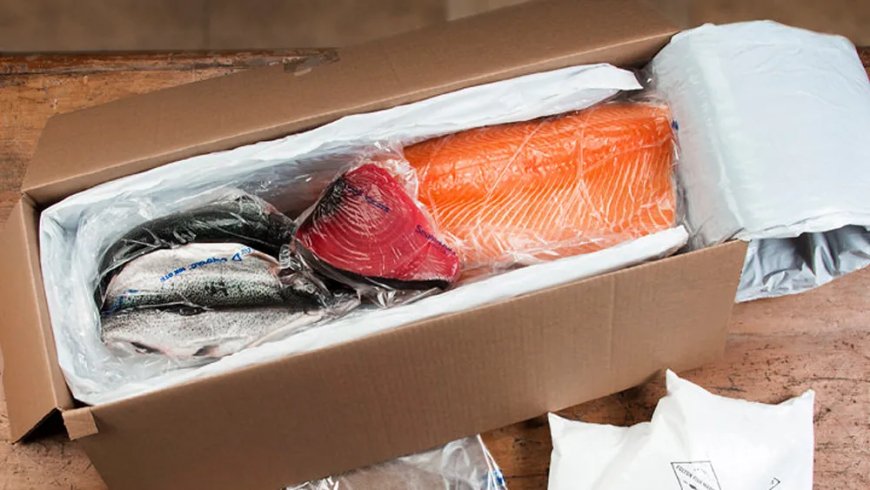
Seafood packaging plays a major role in maintaining quality during transit. Chilled products should be shipped using suitable insulated packaging and adequate refrigerants. Frozen seafood needs packaging and shipping methods designed to keep it frozen.
Vacuum-sealed packaging can help limit exposure to air, but it does not make seafood immune to spoilage or eliminate the need for refrigeration. Follow the package instructions and keep the product at the recommended temperature.
Before ordering, check whether the seller explains how seafood is packed for transportation. This is particularly important during hot weather or when deliveries travel long distances.
A Step-by-Step Guide to Ordering Seafood Online
A few simple checks can make the ordering process more predictable, especially if you are buying seafood for the first time.
Step 1: Decide What You Need
Choose seafood according to your meal plan rather than browsing solely by price. Salmon works well for baking and grilling, shrimp suits pasta and stir-fries, and firm white fish can be useful for tacos or fish curries.
Estimate portions before ordering. For a main course, approximately four to six ounces of boneless fish per adult is a reasonable starting point, although appetites and recipes vary. Buy additional quantities if you are planning a seafood-heavy meal or want leftovers.
Step 2: Compare Total Costs
Do not compare products using the advertised price alone. Check package weight, shipping charges, minimum order requirements, and any delivery fees.
For example, a two-pound frozen shrimp package may appear cheaper than a one-pound fresh shrimp package. However, the better value depends on usable weight, preparation requirements, quality, and how much you actually need.
If you are ordering several items, calculate the approximate cost per serving. This gives you a more practical comparison than the price per package.
Step 3: Review Delivery Dates and Time Windows
Choose a delivery window when someone can receive the package promptly. Seafood should not sit unattended for hours, especially in warm conditions.
Check whether the seller offers tracking and explains what happens when a shipment is delayed. If you are ordering seafood for a birthday dinner or holiday gathering, consider scheduling delivery ahead of time and choosing frozen products when they better suit your plans.
Step 4: Inspect the Order Immediately
When the package arrives, check the condition of the packaging and the seafood itself. Chilled seafood should be cold, and frozen products should remain frozen or show no evidence of significant thawing and refreezing.
For refrigerated seafood, a temperature of 40°F (4°C) or below is recommended. Frozen seafood should be maintained at 0°F (-18°C) or below for long-term storage.
If seafood arrives warm, has an unusual odor, or shows signs of unsafe temperature exposure, do not taste it to determine whether it is safe. Contact the seller, document the problem, and follow appropriate food-safety guidance.
Step 5: Store It Correctly
Refrigerate seafood promptly after delivery. Raw fish and shellfish intended for near-term use should generally be cooked within one to two days, or frozen if they will not be used within that period.
Keep raw seafood in a leakproof container on the lowest refrigerator shelf to prevent juices from contaminating other foods. Thaw frozen seafood in the refrigerator rather than on the kitchen counter.
Common Mistakes to Avoid When Ordering Seafood
One common mistake is choosing the cheapest product without considering its source, usable weight, or shipping conditions. Lower prices are not automatically a sign of poor quality, but unexplained discounts and incomplete descriptions deserve closer attention.
Another mistake is assuming that fresh seafood is always superior to frozen seafood. Freezing can preserve quality effectively, and frozen products are often more convenient for households that cook seafood occasionally.
Buyers also sometimes overlook delivery schedules. An order arriving while everyone is away can create unnecessary food-safety concerns, particularly when the package contains chilled items.
Finally, avoid trusting appearance alone. Attractive packaging, bright colors, and polished product photographs cannot verify freshness or safe handling. Product transparency and appropriate temperature control are more meaningful indicators.
Expert Tips for Getting Better Value and Quality
Match the product to your cooking method. Choose thicker fish fillets for baking or grilling and smaller shrimp for soups, curries, and stir-fries. Selecting the right cut can reduce waste and simplify preparation.
Read the return and replacement policy. Seafood is perishable, so sellers may have specific procedures for reporting damaged packaging, missing items, or temperature problems. Knowing the policy beforehand makes it easier to resolve issues.
Start with a small order. If you are trying a new supplier, purchase a manageable quantity first. Evaluate packaging, delivery timing, product condition, and customer support before placing a larger order.
Consider sustainability where information is available. Look for clear species identification, harvest location, and credible sustainability information. The best choice varies by species and fishery, so broad claims such as "100% sustainable" are less useful than specific details.
Plan around your freezer space. Frozen seafood can reduce food waste, but only if you have enough room to store it properly. Divide larger quantities into meal-sized portions when appropriate, and label packages with the purchase or freezing date.
Keep a record of reliable products. Once you find seafood that consistently meets your expectations, save the product details and note how it performs in your favorite recipes. This makes future purchases faster and more predictable.
Conclusion
Ordering seafood online can be convenient and rewarding when you know how to evaluate quality, storage, packaging, and delivery practices. Read product descriptions carefully, compare the full cost, choose a suitable delivery window, and inspect every shipment when it arrives. Most importantly, prioritize proper temperature control over attractive photographs or vague freshness claims.
With a little preparation, you can choose seafood that suits your budget, cooking preferences, and schedule while reducing food waste and avoiding unnecessary risks. The goal is not simply to find seafood at a good price, but to receive a product that is safe, well handled, and appropriate for the meal you have planned.
What's Your Reaction?
 Like
0
 Dislike
0
 Love
0
 Funny
0
 Angry
0
 Sad
0
 Wow
0