



























How to Choose the Best Theater Recliners for a Home Theater

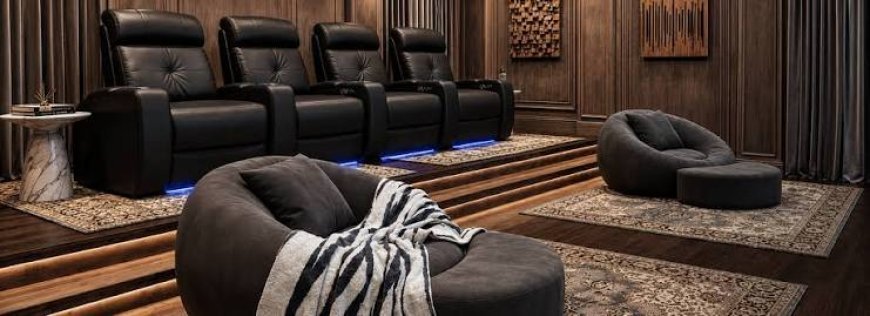
Creating a comfortable home theater involves more than buying a large television or installing a surround sound system. Seating plays an equally important role because it determines how comfortably you can watch a two-hour movie, enjoy a weekend sports marathon, or spend an evening gaming with family. The right seating arrangement can make an ordinary living room feel like a private cinema without requiring a complete renovation.
Choosing suitable theater recliners requires balancing comfort, room dimensions, upholstery, reclining mechanisms, and useful features. A chair that looks impressive in a showroom may feel cramped in a smaller room or interfere with the viewing distance at home. Understanding these practical considerations before shopping helps you avoid expensive mistakes and create a space that works for your household.
Whether you are converting a spare bedroom into a dedicated screening room or upgrading an existing entertainment area, a thoughtful approach will help you select seating that fits your space, viewing habits, and budget.
What Makes a Good Home Theater Recliner?
A good home theater recliner supports your body, offers convenient adjustments, and fits naturally into your room. Unlike a standard living room chair, it is designed for extended periods of sitting, often with a footrest and a backrest that adjust independently or together.
However, not every recliner offers the same experience. Some prioritize plush cushioning, while others provide firmer support for people who prefer a more upright position. The best option depends on who will use the chair and how the room will be used.
Consider three essential qualities before comparing individual models:
-
Ergonomic comfort: The seat should support your lower back, thighs, and neck without creating uncomfortable pressure points.
-
Functional design: Reclining controls, footrests, and armrests should be easy to use from a seated position.
-
Practical dimensions: The chair must fit through doorways, leave enough walking space, and allow comfortable viewing of the screen.
A recliner that performs well in all three areas is generally a better long-term investment than one selected primarily for its appearance.
Step-by-Step Guide to Choosing the Right Recliner
1. Measure Your Home Theater Space
Start by measuring the room rather than browsing furniture catalogs. Record the room's length and width, screen position, door openings, and the locations of electrical outlets. If you already own other furniture, include its dimensions in your plan.
Next, measure the recliner's full dimensions, including its depth when fully extended. Many chairs occupy substantially more space when reclined than when upright.
For example, suppose your entertainment room is 12 feet wide and you want a row of three seats. If each recliner is 34 inches wide, the chairs alone occupy 102 inches. That leaves only 42 inches across the room before accounting for gaps, armrests that extend beyond the listed dimensions, and side clearances.
Also consider wall clearance. Some wall-hugger recliners move forward as they recline, allowing placement closer to the wall. Traditional models may require more space behind the backrest.
Expert tip: Check the manufacturer's fully reclined dimensions and installation requirements. Never assume the chair will fit simply because its upright dimensions look suitable.
2. Choose Between Manual and Power Reclining
The reclining mechanism affects convenience, cost, and maintenance.
Manual recliners typically use a lever or body-weight mechanism. They can be suitable for buyers who prefer a straightforward chair without electrical components. However, the footrest may require more physical effort to operate.
Power recliners use an electric motor to adjust the backrest and footrest. Many models offer separate controls, making it easier to find a comfortable position. Some include memory settings, USB charging ports, or adjustable headrests.
Consider a household where several people share a home theater. Power controls can help each person adjust their seat independently without disturbing others. By contrast, a manual chair may be sufficient for an occasional movie watcher who values simplicity.
Before purchasing a power model, check whether it needs a nearby outlet, how its controls operate, and whether replacement parts or service are available.
3. Evaluate Cushioning and Ergonomic Support
Comfort is highly personal, so test the chair whenever possible. Sit in your normal viewing position for several minutes rather than judging the cushioning after a quick glance.
Your feet should rest comfortably on the footrest, your lower back should feel supported, and the seat should not press uncomfortably into the backs of your knees. The headrest should support your head without forcing your chin toward your chest.
Pay attention to seat depth and width, particularly if multiple family members will use the same chair. A very deep seat may feel luxurious to a tall person but leave a shorter person struggling to reach the backrest.
Cushioning also matters. Soft foam can feel inviting initially, but it may lose its shape over time. High-resilience foam and well-designed support systems can offer a useful balance between comfort and durability.
4. Select Upholstery That Matches Your Lifestyle
The upholstery affects appearance, cleaning requirements, and long-term wear.
Leather and leather-like materials are popular because they create a polished cinema-style appearance. However, genuine leather, bonded leather, and synthetic upholstery differ in durability, maintenance, and repairability. Check the exact material rather than relying on a generic leather label.
Performance fabrics may be a practical choice for households with children or pets. Some resist stains and clean more easily than delicate upholstery, although their performance depends on the specific fabric and its treatment.
Think about the room's environment, too. A warm room without effective ventilation may make certain materials feel uncomfortable during long viewing sessions.
Ask about cleaning instructions, warranty coverage, and whether replacement upholstery or repair services are available.
5. Decide Which Features You Actually Need
Modern theater seating can include a wide range of extras, but more features do not automatically mean better comfort.
Useful options include adjustable headrests, lumbar support, cup holders, storage compartments, and illuminated controls. Some premium chairs offer power-adjustable lumbar support, while others include center consoles for shared snacks and drinks.
Choose features according to your regular habits. If you frequently watch movies with family, cup holders and a shared console may be more useful than built-in speakers. If you experience discomfort while sitting upright, prioritize adjustable support rather than decorative lighting.
Remember that every additional mechanism introduces another component that may eventually need maintenance.
6. Match the Seating to Your Viewing Setup
Theater seating should complement the screen, not compete with it. Consider screen size, viewing distance, eye level, and the room's layout before settling on a final arrangement.
Reclining changes your posture and can alter your viewing angle. An adjustable headrest may help maintain a comfortable position, particularly when the screen is mounted higher on the wall.
For multiple rows, measure the space needed for people to walk between seats and enter or exit without disturbing others. A raised platform can improve visibility for a rear row, but its height and construction should be planned carefully.
Common Mistakes to Avoid
Even an attractive recliner can become a frustrating purchase if practical details are overlooked.
-
Buying before measuring: Check the upright and fully reclined dimensions, doorway widths, and available clearance.
-
Prioritizing appearance over support: A stylish chair is not necessarily comfortable for a three-hour movie.
-
Ignoring the intended users: Children, taller adults, and people with different mobility needs may require different seat dimensions or controls.
-
Overlooking maintenance: Ask about cleaning products, warranty exclusions, motor coverage, and replacement parts.
-
Crowding the room: Too many seats can reduce legroom, obstruct walkways, and make the theater feel cramped.
-
Choosing unnecessary extras: Features that look impressive may add cost without improving your everyday experience.
A common example is purchasing wide reclining seats for a narrow room. Although each chair may be comfortable individually, the combined arrangement can leave little space to enter the row or extend the footrests properly. Reducing the seat count often produces a much better viewing experience.
Practical Tips for Getting the Best Value
Set a total seating budget before comparing models. Include delivery, assembly, electrical requirements, and potential maintenance costs rather than focusing exclusively on the listed price.
Whenever possible, test chairs in person. If shopping online, examine detailed measurements, read reviews that discuss long-term comfort, and verify the return policy. Pay attention to recurring complaints about motor failures, sagging cushions, noisy mechanisms, or difficult customer service.
It is also worth checking the warranty carefully. A chair may have different coverage periods for its frame, upholstery, electrical components, and reclining mechanism. A longer warranty is useful only when its terms and repair process are clear.
Finally, plan the seating arrangement around how you actually watch content. A couple who watches movies several evenings a week may benefit from two spacious power recliners. A family that hosts movie nights might prefer a coordinated row with shared storage and cup holders. Neither arrangement is universally better; the right choice reflects the room and its users.
Conclusion
Choosing the best theater recliners for a home theater requires balancing room dimensions, ergonomic support, reclining options, upholstery, and practical features. Begin by measuring the space, then evaluate comfort and durability before comparing prices or decorative details.
The most successful setup is not necessarily the most expensive one. It is the arrangement that allows everyone to sit comfortably, enjoy an unobstructed view, and move around the room without difficulty. By focusing on real needs rather than unnecessary extras, you can create a home theater that remains comfortable and functional for years to come.
What's Your Reaction?
 Like
0
 Dislike
0
 Love
0
 Funny
0
 Angry
0
 Sad
0
 Wow
0