






















Solar Panel Cleaning Guidelines for Residential Installations

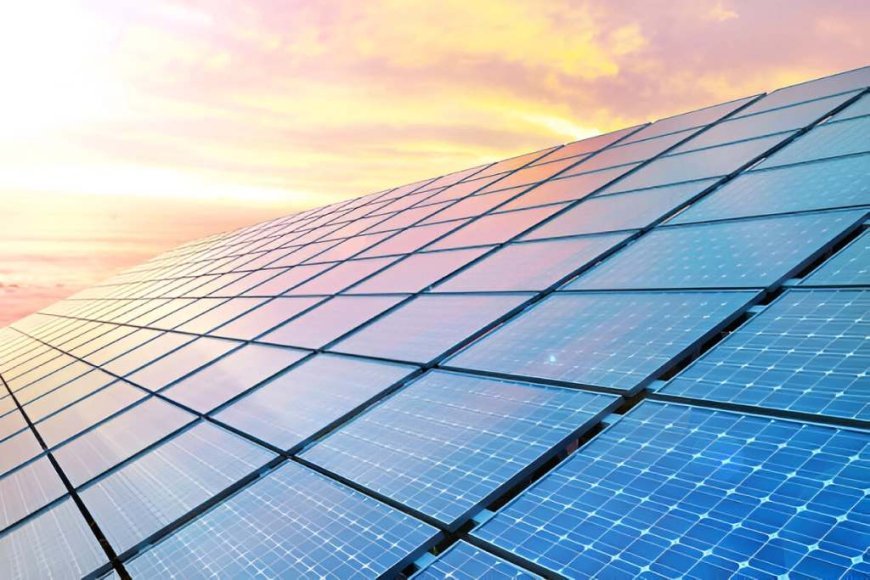
Residential solar panels are designed to generate electricity for years with relatively little maintenance. However, dust, bird droppings, pollen, leaves, and other environmental deposits can accumulate on their surfaces over time. These deposits may reduce the amount of sunlight reaching the solar cells, potentially affecting the system’s energy production.
Regular solar panel cleaning helps homeowners maintain their installations and identify visible issues before they become more serious. However, cleaning solar panels is not simply a matter of spraying them with water. The right method, timing, water quality, and safety precautions all play an important role in protecting the panels.
Whether you have recently installed a rooftop solar system or have been using solar energy for several years, understanding basic cleaning guidelines can help you maintain its performance. This guide explains when to clean residential solar panels, which methods to use, what to avoid, and when professional assistance may be the safer option.
Why Is Solar Panel Cleaning Important?
Solar panels generate electricity when sunlight reaches their photovoltaic cells. When dirt or other deposits cover the glass surface, they can block or scatter some of that sunlight. The effect on electricity generation depends on the amount and type of soiling, local weather, panel angle, and system design.
Cleaning removes accumulated surface contaminants and helps panels receive sunlight more effectively. It also provides an opportunity to notice visible problems, such as damaged glass, loose cables, or unusual staining.
The main benefits of proper maintenance include:
-
Supporting energy production: Removing substantial dirt buildup can help reduce avoidable losses in solar output.
-
Maintaining visibility: Clean surfaces make it easier to inspect panels for cracks, stains, and other visible concerns.
-
Preventing persistent deposits: Addressing certain deposits before they become difficult to remove can simplify maintenance.
-
Supporting long-term care: Regular inspections can help homeowners identify issues that may require a qualified solar technician.
It is important to remember that cleaning cannot fix every performance problem. Inverter faults, shading, damaged components, wiring issues, and ageing equipment can also affect electricity generation.
How Often Should Residential Solar Panels Be Cleaned?
Most residential solar panels do not require frequent washing. The appropriate cleaning schedule depends on the surrounding environment, rainfall, roof angle, and the amount of dirt accumulating on the installation.
In areas with frequent dust, construction activity, agricultural exposure, or heavy bird activity, panels may need more attention. Homes in cleaner environments with regular rainfall may require less frequent manual cleaning.
Rather than following a rigid schedule, homeowners should consider the following factors.
1. Local Weather Conditions
Rain can wash away some loose dust, particularly from panels installed at a suitable angle. However, rainfall does not guarantee that panels will remain clean. Light rain may leave muddy residue or water spots, especially when dust has already accumulated.
2. Dust and Pollution
Homes near busy roads, construction sites, industrial areas, or dry agricultural land may experience faster dirt accumulation. Periodic visual inspections can help determine whether cleaning is necessary.
3. Bird Droppings and Tree Debris
Bird droppings can create concentrated deposits that rain may not remove effectively. Leaves, pollen, and sap from nearby trees can also collect on panels and should be addressed when needed.
4. Solar Panel Performance
Monitor your system's electricity generation through its inverter display or monitoring application. If production decreases unexpectedly, check for visible dirt and shading, but also consider weather changes, equipment faults, and other possible causes.
A practical approach is to inspect the panels every few weeks or after dusty weather and arrange cleaning when there is meaningful buildup. The exact interval should be adjusted to local conditions and the manufacturer's recommendations.
Step-by-Step Guidelines for Solar Panel Cleaning
The safest cleaning method is usually gentle washing with clean water and a soft, non-abrasive tool. Always follow the solar panel manufacturer's instructions before beginning.
Step 1: Check the Manufacturer's Instructions
Review the maintenance guidance provided with your solar panels. Some manufacturers specify suitable water temperatures, cleaning products, and restrictions on equipment or methods.
Check your system's warranty conditions as well. Incorrect cleaning methods may damage the surface or affect warranty coverage.
Step 2: Choose a Suitable Time
Clean panels during the cooler part of the day, such as early morning or late afternoon, when practical. Solar panels can become hot under direct sunlight, and applying cool water to a hot surface may create thermal stress.
Avoid cleaning during thunderstorms, strong winds, or other unsafe weather conditions.
Step 3: Inspect From a Safe Position
Before cleaning, look for visible cracks, damaged frames, exposed wiring, loose components, or other signs of damage. Do not touch damaged electrical components or attempt repairs yourself.
For rooftop systems, inspect from the ground whenever possible. If accessing the roof would require climbing near panel edges or walking across fragile surfaces, use a qualified professional.
Step 4: Rinse Away Loose Dirt
Use a gentle flow of clean water to loosen dust, pollen, and other loose material. Avoid high-pressure water jets, which may damage seals, connectors, or other components.
If your local water supply contains substantial minerals, consider using demineralised or deionised water where recommended. This can help reduce mineral spotting after the water dries.
Step 5: Remove Stubborn Deposits Carefully
If dirt remains after rinsing, use a soft sponge or a manufacturer-approved, non-abrasive cleaning tool. Apply gentle pressure and avoid scraping the glass.
For stubborn bird droppings, allow water to soften the deposit before attempting removal. Never use sharp objects, abrasive pads, or aggressive scrubbing techniques.
Step 6: Allow the Panels to Dry Naturally
Let the panels air-dry unless the manufacturer recommends a different method. If mineral-rich water leaves spots, adjusting the water quality during future cleaning may help.
After cleaning, review your system's monitoring data over the following days. Compare output with similar weather conditions rather than assuming that every change in production is caused by cleaning.
What Should You Avoid When Cleaning Solar Panels?
Using the wrong tools or cleaning products can damage panel surfaces and reduce the effectiveness of maintenance.
Avoid these common mistakes:
-
High-pressure washers: Strong jets may damage seals, connectors, or other vulnerable components.
-
Abrasive brushes and scouring pads: These can scratch the protective glass surface.
-
Harsh chemicals: Strong detergents, solvents, and unapproved cleaning agents may damage coatings or materials.
-
Hot panels and cold water: Sudden temperature differences can create unnecessary thermal stress.
-
Walking on panels: Solar modules are not designed to support a person's weight, and walking on them can cause damage.
-
Unsecured ladders and unsafe roof access: Falls are a major risk during rooftop maintenance.
-
Ignoring electrical hazards: Damaged wiring and connectors should be assessed by a qualified technician rather than handled during routine cleaning.
Homeowners should also avoid disconnecting electrical components or attempting technical repairs as part of ordinary panel washing.
Should You Clean Solar Panels Yourself or Hire a Professional?
The decision depends on accessibility, roof height, panel condition, and the equipment required.
Ground-mounted systems or panels that can be reached safely from ground level may be suitable for careful DIY cleaning, provided the manufacturer permits it. Rooftop installations are different. Sloped surfaces, fragile roofing materials, electrical equipment, and fall hazards can make professional assistance the better choice.
Consider professional cleaning when:
-
Panels are installed on a steep or high roof.
-
Heavy dirt or hardened deposits cannot be removed safely.
-
The installation is difficult to access.
-
You notice damaged glass, loose components, or unusual staining.
-
You are unsure which cleaning method is compatible with the equipment.
A professional can also identify visible maintenance concerns and recommend whether further inspection is necessary. However, cleaning services should not be treated as a substitute for electrical inspections or repairs when these are required.
When choosing a service provider, ask about its cleaning methods, safety procedures, insurance, and familiarity with your type of solar installation.
How Can Homeowners Maintain Solar Panels Between Cleanings?
Good maintenance involves more than washing the glass. A few simple habits can help homeowners monitor their systems and identify problems early.
Monitor Electricity Generation
Review your system's daily or monthly production data. Compare performance with previous periods while accounting for seasonal changes, cloud cover, and variations in sunlight.
If output remains unusually low after visible dirt has been removed, contact your installer or a qualified solar technician to investigate other potential causes.
Keep an Eye on Nearby Trees
Overhanging branches can create shade and drop leaves or other debris onto panels. Where appropriate, maintain nearby vegetation without allowing tree maintenance to create additional roof or electrical hazards.
Check for Visible Damage
Look for cracks, damaged frames, loose mounting hardware, and persistent stains from a safe location. Do not open junction boxes or touch wiring during a visual inspection.
Keep Maintenance Records
Record cleaning dates, unusual weather events, visible issues, and any significant changes in electricity production. These notes can help you recognise recurring problems and communicate clearly with a maintenance provider.
Does Solar Panel Cleaning Improve Electricity Generation?
Cleaning can improve electricity production when accumulated dirt is meaningfully restricting the sunlight reaching the solar cells. However, the amount of improvement varies considerably between installations.
A lightly dusty panel may show little noticeable change after washing, while a heavily soiled panel may benefit more. Cleaning will not necessarily resolve low production caused by shading, inverter problems, faulty connections, or insufficient sunlight.
For this reason, homeowners should combine visual inspections with performance monitoring. Cleaning should be based on actual conditions rather than assumptions that more frequent washing always produces better results.
Frequently Asked Questions
1. Can I clean solar panels with normal tap water?
Yes, clean tap water may be suitable if the manufacturer permits it. However, hard water can leave mineral deposits or spots. Where necessary, demineralised or deionised water can help reduce residue.
2. Is rainwater enough to clean residential solar panels?
Rain can remove some loose dust, but it may not eliminate bird droppings, sticky deposits, or heavy dirt. Inspect your panels periodically and arrange manual cleaning when visible buildup warrants it.
3. Can I use soap or detergent on solar panels?
Use cleaning products only when approved by the manufacturer. Some detergents can leave residue or damage panel materials. Clean water and a soft, non-abrasive tool are often sufficient for ordinary dirt.
4. How do I know when my solar panels need cleaning?
Look for visible dust, bird droppings, leaves, or persistent deposits. You can also monitor electricity production for unexpected changes, while remembering that weather, shading, and equipment issues may affect output.
5. Is professional solar panel cleaning worth it?
Professional cleaning can be worthwhile when panels are difficult or dangerous to access, or when deposits are difficult to remove. A trained service provider can use suitable equipment and follow appropriate safety procedures.
Conclusion
Effective solar panel cleaning starts with understanding your installation, recognising when dirt has accumulated, and choosing a safe, gentle cleaning method. Regular inspections, appropriate water quality, non-abrasive tools, and careful monitoring can help homeowners maintain their systems without exposing the panels or themselves to unnecessary risks.
Every residential installation has different maintenance needs, so cleaning frequency should reflect local conditions and manufacturer guidance. For homeowners seeking practical guidance on solar system care and maintenance, Solar Prabha can be a relevant starting point for learning more about responsible solar energy practices. A consistent, safety-conscious maintenance routine helps keep your solar installation in better condition over the long term.
What's Your Reaction?
 Like
0
 Dislike
0
 Love
0
 Funny
0
 Angry
0
 Sad
0
 Wow
0