


























History Puzzles: A Fun Way to Explore the Past
History puzzles combine entertainment with visual exploration, making them appealing to adults who enjoy both challenging activities and historical themes.
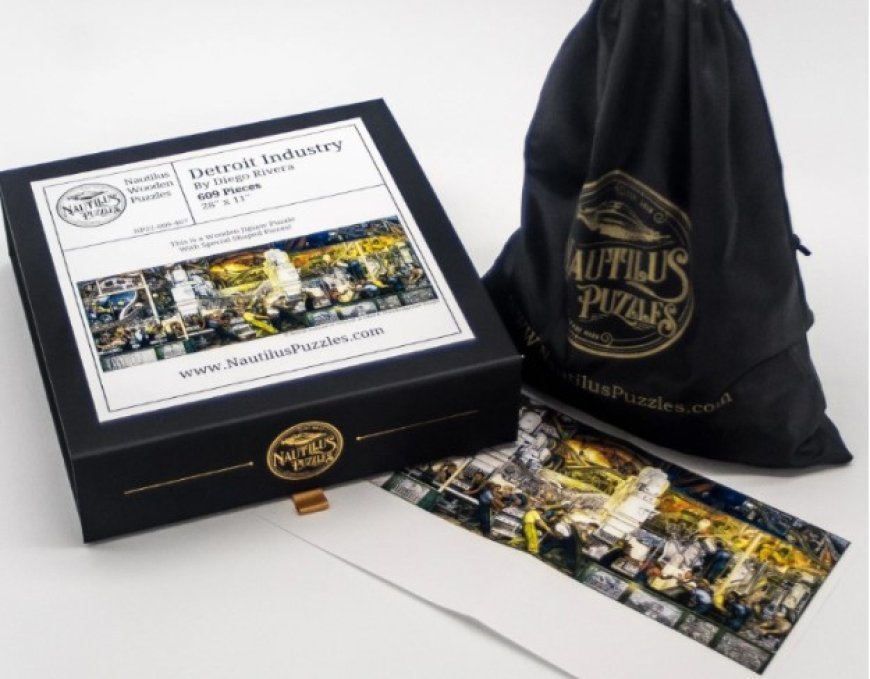
Puzzles are often associated with relaxation, focus, and problem-solving, but they can also provide an engaging way to interact with historical subjects. Instead of simply reading about an era, event, or place, puzzlers can study visual details piece by piece and spend more time observing clothing, architecture, maps, artwork, objects, and scenes connected to the past.
History puzzles combine entertainment with visual exploration, making them appealing to adults who enjoy both challenging activities and historical themes. Depending on the image, a puzzle might feature an old-world map, famous artwork, a historical landmark, a vintage illustration, or a scene inspired by a particular period. This combination of visual detail and hands-on problem-solving can make history feel more immersive and memorable.
What Are History Puzzles?
History puzzles are jigsaw puzzles built around historical themes, images, artwork, maps, events, or cultural subjects.
They may focus on:
-
Historic maps
-
Famous battles
-
Ancient civilizations
-
Historical figures
-
Period artwork
-
Architecture
-
Transportation history
-
Vintage advertisements
-
Important landmarks
-
Cultural artifacts
Some puzzles reproduce original historical images, while others use illustrations inspired by a specific time period.
The format gives puzzlers an opportunity to study the image gradually rather than seeing it only as a complete picture.
Why Do History Puzzles Appeal to Adults?
Adults often enjoy puzzles because they combine challenge with a slower, more focused activity.
Historical themes add another layer of interest because the final image can offer something to examine beyond the puzzle itself.
A person interested in military history may enjoy assembling a detailed battlefield map, while someone fascinated by travel history may prefer a vintage city scene or early transportation illustration.
History puzzles can therefore appeal to both dedicated history enthusiasts and people who simply enjoy intricate visual subjects.
Can Puzzles Help You Notice Historical Details?
Yes. One of the unique benefits of assembling a detailed image is the amount of time spent looking closely at individual sections.
When building a historical scene, puzzlers may notice:
-
Period clothing
-
Building styles
-
Old signage
-
Transportation methods
-
Landscape changes
-
Decorative details
-
Symbols
-
Geographic features
These details might be overlooked when viewing the same image briefly on a screen or in a book.
The puzzle process encourages repeated observation, which can make the image easier to remember.
Why Are Historical Maps Popular Puzzle Themes?
Maps naturally lend themselves to jigsaw puzzles because they contain many distinct visual features.
Borders, coastlines, labels, decorative illustrations, compass roses, and geographic patterns create a challenging but organized image.
Older maps can also reveal how people understood geography at different points in history.
A historical map puzzle may show:
-
Former political boundaries
-
Older place names
-
Trade routes
-
Exploration routes
-
Decorative sea creatures
-
Historic cartography styles
For fans of history puzzles, maps can be especially interesting because they combine geography, art, and historical context.
What Makes a Good Historical Puzzle Image?
A strong puzzle image usually contains enough detail and variation to make the assembly process interesting.
Images with clear color zones, recognizable structures, borders, figures, or landscape changes can provide useful visual clues.
At the same time, very repetitive areas can increase difficulty.
For example, a puzzle showing a large uniform sky or a broad area of similar-colored clothing may require more attention to shape than color.
A good historical image should also be visually interesting enough that the completed puzzle feels worth studying.
How Does Piece Count Affect Difficulty?
Piece count is one of the most obvious factors influencing difficulty, but it is not the only one.
A 500-piece puzzle with highly repetitive imagery can be harder than a 1,000-piece puzzle with clearly separated colors and sections.
Difficulty can also depend on:
-
Image complexity
-
Piece shape
-
Color variation
-
Repeated patterns
-
Edge design
-
Size of the finished puzzle
When choosing history puzzles, adults should consider both the subject matter and the level of challenge they actually enjoy.
Are Wooden History Puzzles Different?
Wooden puzzles can offer a different experience from traditional cardboard jigsaws.
They are often thicker, more durable, and may include irregularly shaped pieces.
Some wooden puzzles also feature decorative or themed pieces that relate to the image.
The tactile feel can make the activity more distinctive, especially for adults who enjoy handcrafted or collectible puzzle formats.
Wooden pieces may also hold up well through repeated use when stored properly.
How Can History Puzzles Be Used for Learning?
A puzzle alone cannot replace a well-researched history book, but it can support curiosity.
For example, someone assembling a puzzle of an old city may become interested in when certain buildings were constructed. A map puzzle may lead to questions about borders, trade, migration, or political change.
This makes history puzzles useful as a starting point for further research.
Families, educators, or lifelong learners can also pair a puzzle with books, documentaries, museum resources, or primary-source materials related to the same subject.
What Historical Topics Work Well for Puzzles?
Many historical subjects translate well into visual puzzle formats.
Popular themes can include:
-
Ancient Egypt
-
Medieval Europe
-
World exploration
-
American history
-
European history
-
Maritime history
-
Aviation
-
Railways
-
Classical art
-
Famous monuments
The best theme depends on personal interests.
Someone who enjoys art history may prefer museum-style images, while a geography enthusiast may gravitate toward maps and city plans.
Why Can Historical Puzzles Make Good Gifts?
Puzzles can work well as gifts because they combine an activity with a theme.
A carefully chosen historical subject can feel more personal than a generic puzzle.
For example, someone interested in a particular country, era, or form of transportation may appreciate a puzzle related to that interest.
They can also suit birthdays, holidays, retirement gifts, or quiet leisure activities.
The key is matching the theme and difficulty level to the recipient.
How Should You Choose the Right Puzzle?
Start with the subject matter.
If the image itself is not interesting, the solving process may feel less rewarding.
Then consider:
-
Piece count
-
Finished dimensions
-
Material
-
Image complexity
-
Storage space
-
Display potential
Some adults enjoy difficult puzzles that take several sessions, while others prefer something that can be completed in an afternoon.
Choosing the right balance can make the experience more enjoyable.
Can Completed History Puzzles Be Displayed?
Yes. Historical puzzle images can work well as decorative pieces once completed.
Maps, vintage illustrations, and historical artwork may be particularly suitable for framing.
Before framing, check the final dimensions so the correct frame size can be selected.
Some people use puzzle adhesive, while others prefer preservation methods that allow the puzzle to be taken apart later.
A completed history puzzle can serve both as a record of the activity and as wall décor connected to a favorite historical topic.
How Should History Puzzles Be Stored?
Proper storage helps keep pieces in good condition.
Puzzles should generally be stored in a dry environment away from moisture and excessive heat.
Keeping pieces in a sealed bag inside the original box can reduce the risk of losing small pieces.
Wooden puzzles should also be protected from prolonged dampness, which may affect the material.
If a puzzle is being assembled over several days, a puzzle board or dedicated table can help prevent pieces from being disturbed.
Why Do Historical Themes Work So Well With Puzzles?
History is highly visual.
Architecture, clothing, maps, objects, artwork, and landscapes can all communicate aspects of a particular time period.
A puzzle slows down the viewing process and encourages the solver to interact with those details for an extended period.
That makes historical imagery especially suitable for the format.
Rather than simply completing an image, the puzzler may begin to notice how different parts of the scene relate to one another.
Conclusion
Historical puzzles combine visual storytelling, problem-solving, and curiosity in a format that can be both relaxing and mentally engaging. They allow adults to spend time with maps, artwork, architecture, and scenes from the past while working toward a clear and satisfying goal. For anyone interested in history puzzles, the best choice usually depends on the historical subject, piece count, image complexity, and preferred material. Well-designed history jigsaw puzzles can provide an enjoyable way to explore visual details from different eras while encouraging further interest in the events, places, and cultures represented. Whether completed for leisure, learning, gifting, or display, a thoughtfully chosen historical puzzle can turn an ordinary pastime into a more engaging encounter with the past.
What's Your Reaction?
 Like
0
 Dislike
0
 Love
0
 Funny
0
 Angry
0
 Sad
0
 Wow
0