



















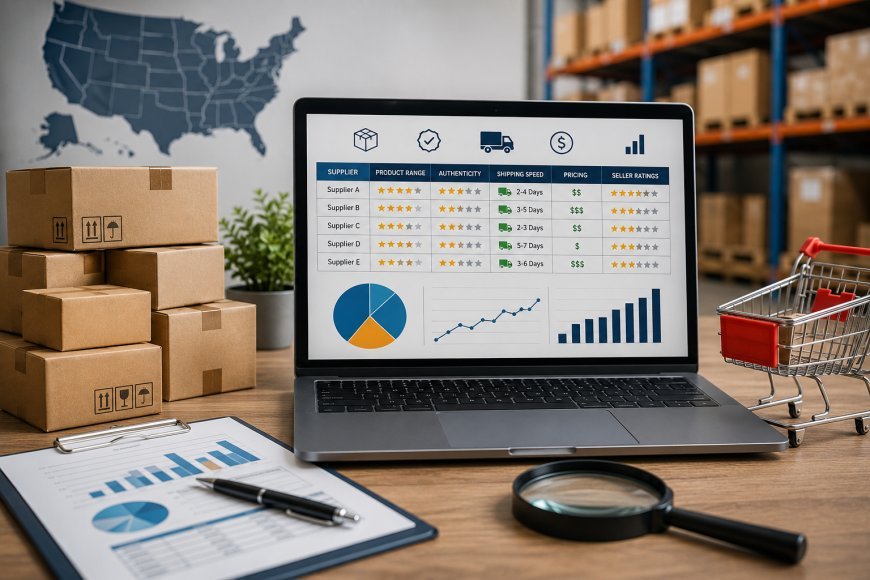
A Complete Guide to Finding Reliable Wholesale Suppliers for Amazon Sellers
Starting an Amazon wholesale business can be a great opportunity for entrepreneurs who want to sell established brands and popular products online.

Introduction
Starting an Amazon wholesale business can be a great opportunity for entrepreneurs who want to sell established brands and popular products online. However, finding trustworthy suppliers is one of the most important steps toward building a successful business. Reliable suppliers help sellers purchase products at competitive prices, maintain consistent inventory, and provide genuine items to customers.
Amazon Wholesale Suppliers play an important role in connecting sellers with manufacturers, distributors, and authorized wholesalers. By choosing the right supplier, sellers can build a profitable business, improve customer satisfaction, and grow their product catalog over time.
What Are Wholesale Suppliers?
Wholesale suppliers are businesses that sell products in bulk to retailers and online sellers at discounted prices. Instead of purchasing individual items at retail prices, sellers buy larger quantities at wholesale rates and resell them for a profit.
For Amazon sellers, working with wholesale suppliers can provide access to established brands, popular products, and consistent inventory. Many suppliers also offer business accounts, bulk pricing, and product catalogs that help sellers identify suitable items for their stores.
Types of Wholesale Suppliers for Amazon
1. Authorized Distributors
Authorized distributors purchase products directly from manufacturers or approved supply channels and sell them to retailers. They are often a useful option for sellers who want to source authentic branded products.
These distributors may require business registration, resale certificates, or minimum order quantities before approving a wholesale account.
2. Manufacturers
Manufacturers produce goods and may sell them directly to retailers or through their distribution networks. Buying directly from manufacturers can sometimes reduce sourcing costs and provide better control over inventory.
However, some manufacturers require large orders, making this option more suitable for sellers with sufficient capital and storage capacity.
3. General Wholesalers
General wholesalers offer products across multiple categories, including home goods, electronics accessories, clothing, beauty products, and household essentials. They can be helpful for sellers who want to explore different product opportunities without contacting multiple manufacturers.
Before placing an order, sellers should confirm product authenticity, wholesale pricing, shipping costs, and the supplier's return policy.
How to Find Reliable Wholesale Suppliers
Finding the right supplier requires research and careful evaluation. Sellers should compare several businesses before deciding where to invest their money.
Some useful ways to find suppliers include:
-
Manufacturer websites: Visit official brand websites to find authorized distributors and wholesale application details.
-
Wholesale directories: Explore established directories to discover suppliers in your preferred product category.
-
Trade shows: Attend industry events to meet manufacturers, distributors, and wholesale representatives.
-
Business referrals: Ask experienced retailers and other sellers for recommendations.
-
Direct contact: Contact brands to ask about wholesale accounts, minimum orders, and authorized purchasing channels.
Using these methods can help sellers identify legitimate businesses and reduce the risk of dealing with unreliable suppliers.
Benefits of Working With Wholesale Suppliers
Competitive Product Pricing
Wholesale purchasing allows sellers to buy products at lower per-unit prices than ordinary retail prices. This can create opportunities for profit when the selling price covers Amazon fees, shipping, storage, and other expenses.
Access to Established Brands
Wholesale suppliers often provide products from recognizable brands that customers already trust. Selling established products may help sellers reach customers who are familiar with the brand and its features.
Consistent Inventory
A dependable supplier can help sellers replenish stock when products begin to sell quickly. Maintaining sufficient inventory can reduce the risk of missed sales and improve business planning.
Opportunities for Business Growth
As sales increase, sellers may negotiate better prices, expand their product selection, and develop long-term relationships with distributors. These advantages can support sustainable business growth.
Important Factors to Consider Before Choosing a Supplier
Product Authenticity
Always verify that products are genuine and obtained through legitimate supply channels. Keep purchase invoices and other relevant documentation because Amazon may request evidence of authenticity or supply-chain information.
Minimum Order Quantity
Some suppliers require buyers to purchase a specific number of units or spend a minimum amount per order. Choose a supplier whose requirements match your budget and expected sales volume.
Pricing and Profit Margins
Calculate your potential profit before purchasing inventory. Consider the wholesale cost, shipping, Amazon referral fees, fulfillment expenses, storage charges, and possible returns.
Shipping and Delivery
Check the supplier's delivery times, shipping fees, tracking options, and inventory availability. Reliable delivery is particularly important when replenishing products that sell frequently.
Amazon Selling Requirements
Not every product or brand is automatically available to every seller. Check Amazon Seller Central to confirm category restrictions, brand approval requirements, and product eligibility before investing in inventory.
Common Mistakes to Avoid
New sellers sometimes focus only on low prices and overlook other factors that affect profitability. Choosing an unreliable supplier or purchasing too much inventory can create unnecessary financial pressure.
Avoid buying products without verifying the supplier's legitimacy. Do not assume that every wholesale invoice will meet Amazon's documentation requirements. Also, avoid purchasing large quantities before researching demand, competition, pricing, and potential restrictions.
Building a successful wholesale business requires patience, accurate calculations, and a consistent sourcing strategy.
Conclusion
Finding dependable suppliers is an essential part of building a successful Amazon wholesale business. By researching authorized distributors, contacting manufacturers, comparing wholesale offers, and verifying product authenticity, sellers can make more informed purchasing decisions.
Amazon Wholesale Suppliers can help sellers access established brands, maintain inventory, and identify opportunities for long-term growth. The best approach is to prioritize supplier reliability, competitive pricing, proper documentation, and realistic profit margins. With careful planning and consistent research, sellers can create a stronger foundation for their online business.
What's Your Reaction?
 Like
0
 Dislike
0
 Love
0
 Funny
0
 Angry
0
 Sad
0
 Wow
0