






















Knochenschere: Precision Bone Cutting for Confident Surgery
AzeeMed's 7 1/8-inch Cottle bone cutting forceps with angled shaft, 30mm straight blade, and spring-loaded handle feature a high-quality surgical design with angled shafts for improved visibility and accessibility during surgery.

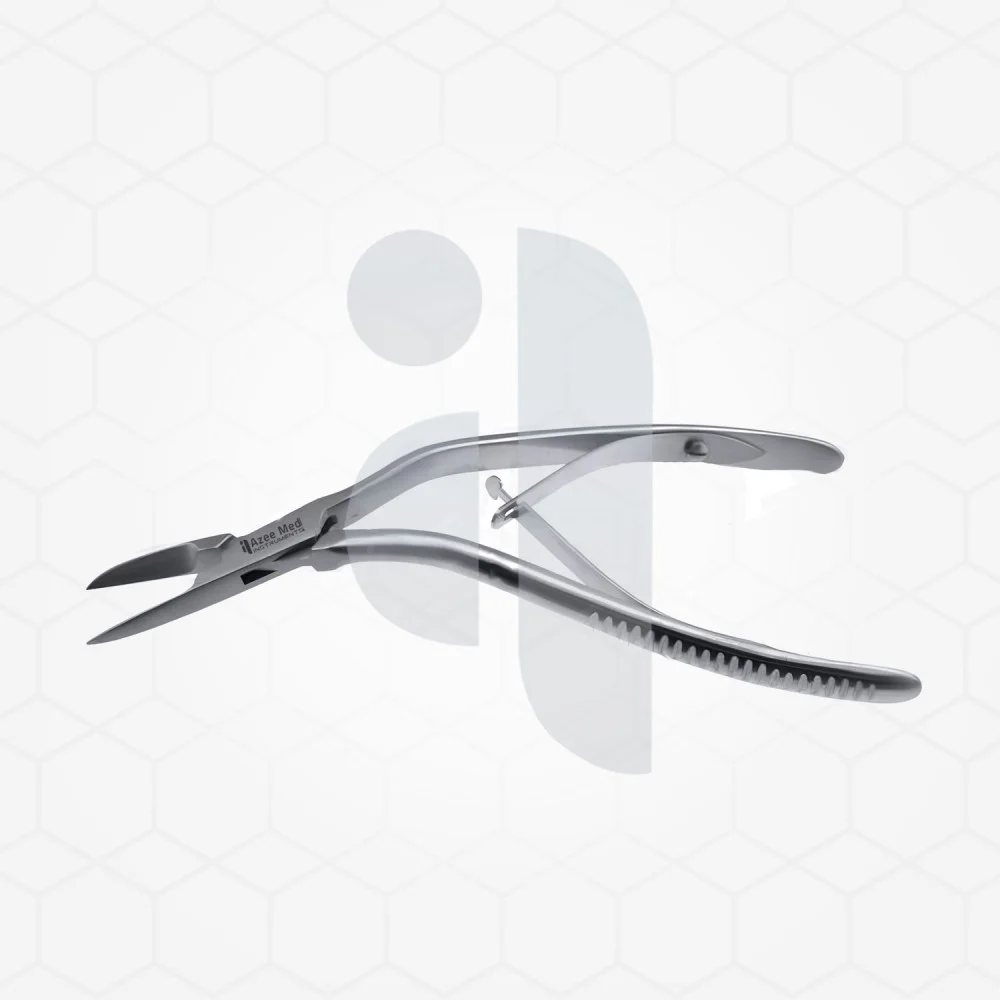
Bone is one of the toughest tissues a surgeon handles, and cutting it cleanly takes more than strength. It takes an instrument built for control. The knochenschere, German for "bone scissors," is designed to cut and trim bone accurately and with minimal effort. How knochenschere works, where surgeons use it, and what to look for when choosing one.
Getting to Know the Instrument
A knochenschere is a heavy-duty surgical cutting instrument with strong, sharp jaws and long handles that provide powerful leverage. Many models use a compound or double-action joint, which multiplies the force from your hand and delivers a clean cut with less strain. This design lets surgeons divide ribs, shape bone edges, and remove small fragments without crushing the surrounding structure. It comes in straight, curved, and angled patterns to suit different anatomical areas.
Where Surgeons Rely on It
Picture a surgeon reshaping a fractured bone edge or opening access to the chest cavity. In moments like these, a dependable knochenschere becomes essential. Surgeons use it widely in orthopedic procedures, thoracic surgery, neuro and spine work, and reconstructive cases. Because it trims bone precisely, it helps create smooth surfaces that support proper healing and a better fit for implants or grafts.
Qualities That Define a Great Instrument
Not every bone cutter performs the same way. A premium knochenschere is made from high-grade surgical stainless steel. This material is hard enough to hold a sharp edge and tough enough to resist chipping. Precisely aligned jaws meet evenly for clean, controlled cuts, while ergonomic handles reduce hand fatigue during long procedures. Have you ever felt the difference between a well-balanced tool and a clumsy one? In the operating room, that difference truly matters.
Choosing the Right Model for Your Practice
Start by considering the procedures you perform most often. Jaw size, blade shape, and overall length all affect reach and cutting power. A larger knochenschere handles dense bone, while a smaller, finer version suits delicate work in tight spaces. Ask your supplier about material grade, finishing, and quality testing so you invest in an instrument that delivers consistent results.
Proper Care for Lasting Performance
Even the strongest instrument needs routine care. Clean your knochenschere promptly after use to remove bone debris and fluids. Then inspect the jaws and joint for wear or misalignment. Lubricate the hinge as recommended and follow approved sterilization protocols. Storing it in a protective tray keeps the cutting edges sharp and ready for the next case.
Why Medical Professionals Choose AzeeMed
AzeeMed focuses on making surgical instruments of the highest quality for the medical community around the globe. With over two decades of experience, we furnish surgeons with a wide array of instruments for plastic, dental, ophthalmic, neuro and spine, and orthopedic surgeries. Each microsurgical instruments we craft is built for precision, strength, and long-term reliability, so your team can focus on what matters most: patient care.
Conclusion
Cutting bone safely and efficiently starts with an instrument you can trust. A well-made knochenschere offers the leverage, accuracy, and durability that demanding procedures require. When you choose the right model and care for it properly, you protect your investment and support better surgical outcomes. Explore AzeeMed's collection today and discover bone-cutting instruments crafted to meet the highest standards.
What's Your Reaction?
 Like
0
 Dislike
0
 Love
0
 Funny
0
 Angry
0
 Sad
0
 Wow
0