


















The Complete Scuba Diving Wetsuit Guide: Choose the Right Wetsuit for Every Dive
Choose the right scuba diving wetsuit: match thickness to water temperature, compare materials, get the perfect fit and find the best value.
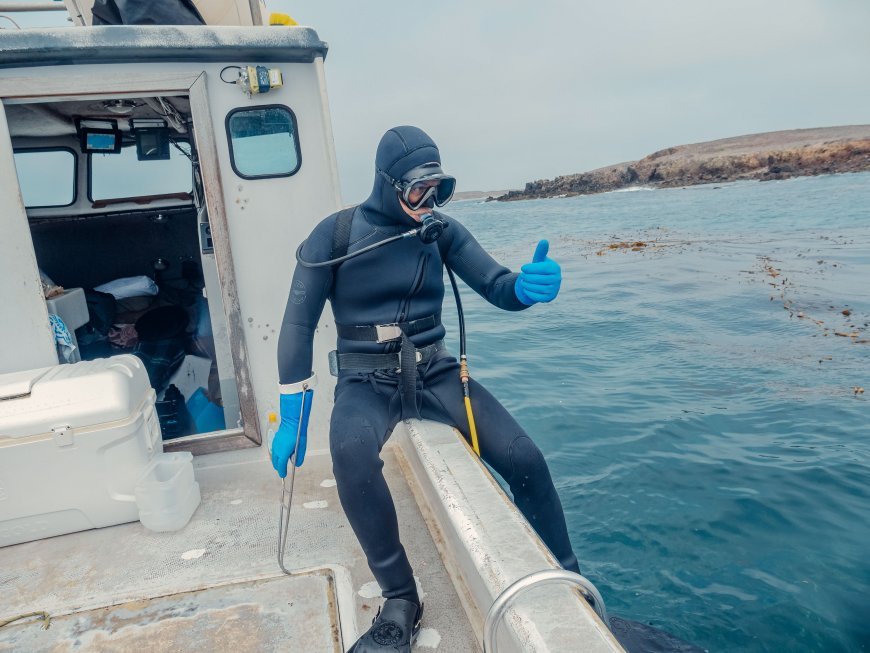
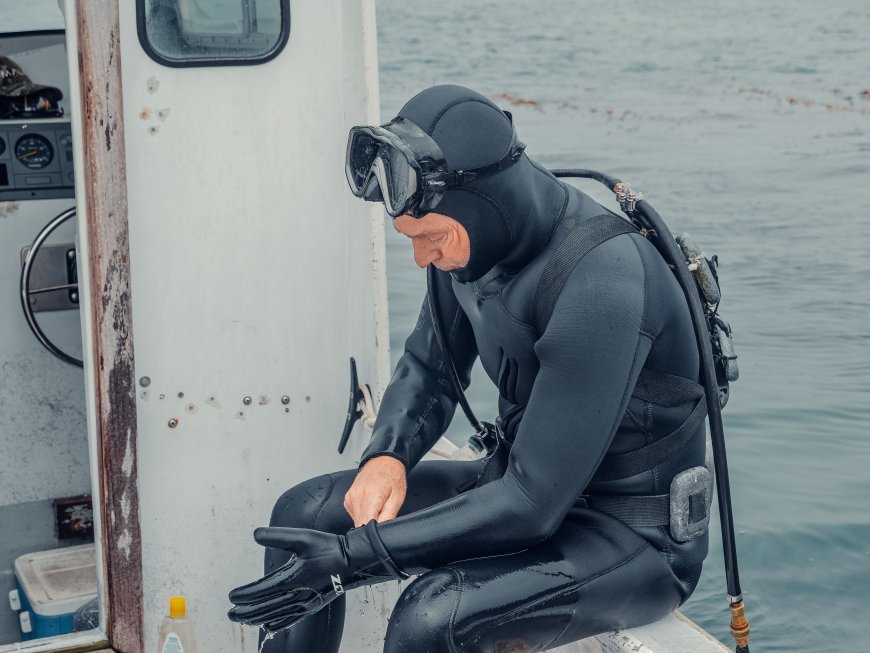
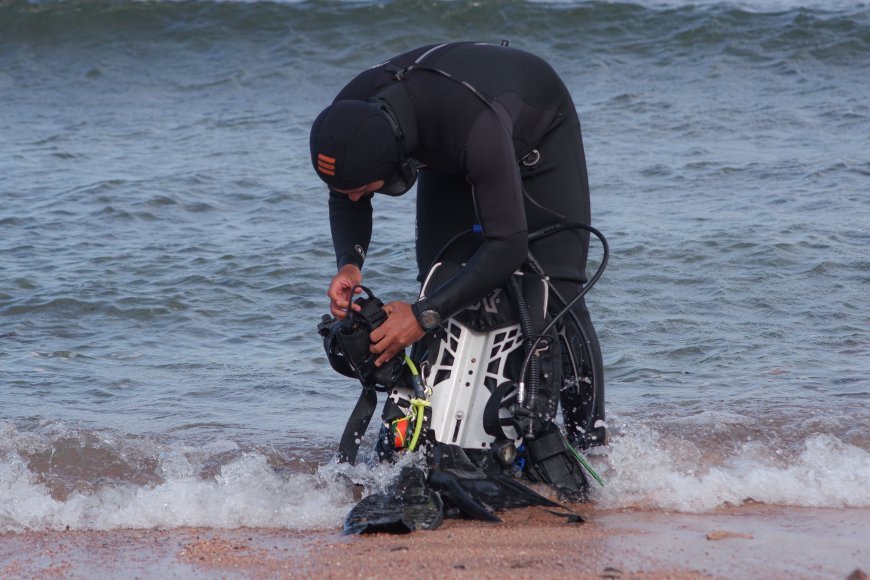
Choosing your first scuba diving wetsuit can feel overwhelming. With options ranging from 3mm shorties to 8mm semi-dry suits, how do you know which wetsuit is right for your diving?
Most divers face the same challenge: wetsuit product pages show features and prices, but rarely explain how to match thickness to water temperature or ensure proper fit across brands. The result? Divers either buy the wrong wetsuit for their conditions or overspend on features they don't need.
This guide cuts through the confusion with practical advice from dive professionals. You'll learn exactly how to match wetsuit specifications to your diving conditions, understand what features actually matter for warmth and comfort, and make a confident purchase decision.
And if you're building your first full kit, don't overlook your eyes. Divers who wear glasses or contacts often struggle with blurry views, misread gauges, or lost lenses during a mask flood. Pairing the right wetsuit with a mask built to your prescription means you'll stay warm and see clearly on every dive. Click here to explore your options.
Understanding Wetsuit Thickness: Matching Your Wetsuit to Water Temperature
The single most important decision when choosing a scuba diving wetsuit is thickness. Get this wrong, and you'll either shiver through your dives or overheat before you even descend.
1. The 5mm Wetsuit: The Most Versatile Choice
For most recreational divers, a 5mm wetsuit represents the sweet spot of versatility and performance. This thickness works exceptionally well in water temperatures ranging from 18-24°C (64-75°F), covering a surprisingly wide range of popular diving destinations including Egypt's Red Sea year-round, Southeast Asia during cooler months, Mediterranean summer diving, and UK diving during warmer periods.
Dive professionals consistently recommend 5mm thickness as a first wetsuit purchase because you can extend its temperature range through layering. Adding a 2-3mm hooded vest underneath drops your comfort range down to about 15°C, while wearing just the 5mm suit works in waters up to 26°C for many divers. This adaptability means you won't need multiple wetsuits immediately.
2. 3mm Wetsuits and Shorties: Warm Water Diving
When heading to tropical paradise, a 3mm wetsuit or shorty becomes ideal. These thinner suits work beautifully in water temperatures from 24-29°C (75-84°F), providing thermal protection and sting prevention without bulk.
Think destinations like the Caribbean, Indian Ocean, Thailand's Similan Islands, or tropical Pacific locations. A full 3mm wetsuit offers complete coverage against jellyfish and coral scrapes, while a shorty maximizes freedom of movement for shallow reef diving.
The major advantage of 3mm wetsuits for tropical diving is travel convenience. They're significantly lighter than thicker suits, dry faster between dives, and pack smaller in your luggage, crucial for liveaboard trips.
3. 7mm Wetsuits and Semi-Dry Suits: Cold Water Diving
Once water temperatures drop below 18°C (64°F), you need a 7mm wetsuit or semi-dry suit. These thicker suits are essential for UK diving year-round, California coast diving, and Mediterranean winter diving.
Semi-dry suits incorporate better sealing systems (wrist seals, ankle seals, neck seals, and smoother zipper barriers) that dramatically reduce water flushing. This keeps the thin layer of water your body warms from being constantly replaced, significantly improving warmth.
For water temperatures between 10-15°C (50-59°F), a quality semi-dry suit keeps you comfortable for 45-60 minute dives. Below 10°C, most divers start considering a drysuit.
Quick Reference: Temperature-to-Thickness Chart
· 27-29°C (80-84°F): Rash guard or 1-2mm shorty
· 24-27°C (75-80°F): 3mm full wetsuit or shorty
· 21-24°C (70-75°F): 3mm or 5mm
· 18-21°C (64-70°F): 5mm wetsuit
· 15-18°C (59-64°F): 5mm + hooded vest or 7mm
· 12-15°C (54-59°F): 7mm wetsuit or semi-dry
· Below 12°C (54°F): Semi-dry suit or drysuit
Remember that personal factors significantly affect these recommendations. Body composition matters because leaner divers feel cold faster. Your activity level underwater makes a difference too. Multiple dives per day means your body never fully rewarms, so err on the thicker side for 3-4 dives daily.
Wetsuit Materials and Construction: What You Need to Know
Understanding wetsuit materials helps you evaluate whether a wetsuit's price reflects genuine quality or just marketing hype.
Neoprene Types: Standard, Stretch, and Super-Stretch
Neoprene works through tiny nitrogen gas bubbles trapped in rubber foam that provide insulation. Standard neoprene, while effective for warmth, can be quite stiff. Stretch neoprene incorporates more elastic polymers, creating material that maintains insulating properties while allowing significantly more flexibility.
Super-stretch materials represent the current pinnacle. Brands have developed proprietary formulations that stretch 200-300% more than standard neoprene. The practical difference is enormous: a super-stretch wetsuit slides on with half the effort, moves with your body underwater without binding, and doesn't restrict breathing.
For recreational diving, the flexibility advantage justifies the price difference. A standard neoprene 7mm suit can take 15 minutes to put on, but a super-stretch suit of the same thickness might take 5 minutes.
Eco-Friendly Wetsuit Materials
Traditional neoprene comes from petroleum-based chemicals with significant environmental impacts. Several manufacturers have developed sustainable alternatives like Yulex natural rubber, derived from hevea trees. Brands like Patagonia, Fourth Element, and Aqualung now offer Yulex options that perform nearly identically to petroleum-based neoprene.
Recycled neoprene offers another sustainable path. Eco-friendly wetsuits typically cost 10-20% more than equivalent petroleum-based suits but support sustainable manufacturing practices important for ocean conservation.
Seam Construction
How wetsuit panels connect affects both warmth and durability. Flatlock stitching creates comfortable seams but allows water seepage, which is fine for warm water wetsuits. Blind-stitched seams combined with glue (GBS construction) dramatically reduce water seepage and are standard for cold water wetsuits.
Liquid seam technology applies rubberised sealant over GBS seams, creating completely watertight barriers critical in semi-dry suits. In cold water, seam construction matters as much as thickness.
Essential Wetsuit Features for Warmth and Comfort
Specific design features dramatically impact how warm and functional your scuba diving wetsuit performs underwater.
Seals and Water Entry Prevention
Quality wetsuits minimise flushing through multiple sealing strategies. Neck seals, wrist seals, and ankle seals compress gently against skin without restricting circulation, dramatically reducing water exchange during diving.
Spine pads cover the small of your back with extra neoprene. The kidney area is particularly sensitive to cold, and the lower back is where water most easily flushes in during movement.
Zip types profoundly affect water sealing. Back-zip wetsuits are easiest to put on but create a potential leak path. Front-zip wetsuits minimise this with shorter zips. Chest-zip wetsuits create the most watertight seal, though they require contortion to enter. Quality suits add zip barriers (draft flaps) that prevent water from reaching your skin.
Reinforcements and Convenience Features
Knee pads made from abrasion-resistant materials become essential for wreck diving or any time you're kneeling on the bottom. Shoulder reinforcements prevent wear from BCD straps. Match reinforcements to your diving style because tropical boat diving needs less protection than UK shore diving.
Modern wetsuits incorporate thoughtful elements like ankle and wrist zips for easier entry, thigh pockets for storing surface marker buoys or dive lights, and long zip pulls allowing solo divers to reach back zips without assistance. A thigh pocket is also a smart place to carry a backup mask. If you rely on corrective lenses, a flooded or lost mask can end your dive early, so keeping a spare prescription mask from https://seethesearx.com/ on hand means a quick swap instead of surfacing half-blind.
Getting the Right Fit: Sizing and Gender-Specific Cuts
A perfectly specified wetsuit that doesn't fit properly is just an expensive mistake. Proper fit is arguably more important than thickness because gaps and loose areas allow constant water flushing.
Why Wetsuit Sizing Varies
Unlike standardised clothing sizes, wetsuit sizing varies dramatically across manufacturers. European brands tend to run slimmer and longer than American brands. Material stretch characteristics also affect sizing recommendations. A super-stretch suit might fit the same as standard neoprene in the next size up.
Every reputable manufacturer publishes detailed size charts with specific measurements: height, weight, chest, waist, hips, and inseam. Take these measurements honestly and cross-reference them with brand-specific charts. When measurements fall between sizes, size down for super-stretch material and size up for standard neoprene.
Men's vs. Women's Wetsuit Cuts
Women's wetsuits aren't just smaller men's suits. They're cut completely differently to accommodate anatomical differences. Women typically have longer torsos relative to leg length, broader hips relative to waist, and different chest-to-shoulder ratios.
A proper women's wetsuit accounts for these proportions with longer torso patterns, more room through the hip area, and shaped chest panels. Improper fit in the torso creates bunching that allows water to flush freely, destroying thermal protection.
How a Wetsuit Should Fit
The correct wetsuit fit is snug without being restrictive. You should feel some compression but it shouldn't impede breathing or circulation.
· Neck: The collar should seal gently against your neck without choking. You should be able to slide two fingers between neoprene and neck, but not your whole hand.
· Shoulders: Seams should sit right at the edge of your shoulders, not partway down your arms.
· Torso: You should feel even compression around chest and stomach without loose fabric bunching. When you bend forward, the suit shouldn't pull away from your lower back.
· Crotch: No bagginess (excess material fills with water and flushes constantly), but not uncomfortably tight.
· Wrists and Ankles: Cuffs should seal smoothly without cutting off circulation.
New wetsuits require a break-in period of 2-4 dives. Super-stretch materials feel quite snug initially but relax slightly with use.
Practical Buying Advice: Making Your Decision
One Wetsuit or Multiple Options?
Most recreational divers can start with a single versatile wetsuit, then add specialised options as diving expands. If 80% of your diving happens in 18-24°C water, invest in a quality 5mm wetsuit first. Extend its range with layering pieces.
A practical two-wetsuit system might include a 5mm full suit for 18-24°C as your workhorse, plus a 3mm shorty for 24-29°C tropical trips. The layering strategy offers flexibility because a 5mm suit combined with a 3mm hooded vest provides effective coverage from 15-26°C.
Price vs. Performance
Scuba diving wetsuits range from £150 budget options to £600+ premium suits.
· Entry-level (£150-250): Standard neoprene, basic seams, minimal features. Adequate for occasional warm-water diving.
· Mid-range (£250-400): Stretch neoprene, GBS seams, plush linings, effective seals. Best value for recreational divers doing 10-30 dives annually. You get good thermal protection, reasonable fit, and 4-6 years of use.
· Premium (£400-600+): Super-stretch materials, liquid-sealed seams, advanced thermal linings, sophisticated seals, eco-friendly materials. Worth it for frequent divers (30+ dives annually) or cold water divers.
Calculate cost per dive to evaluate value: a £300 wetsuit lasting 200 dives costs £1.50 per dive versus a £150 wetsuit lasting 75 dives at £2.00 per dive.
Wetsuit Care Essentials
After every saltwater dive, rinse thoroughly in fresh water. Never hang wet wetsuits by the shoulders. Instead, fold over a thick hanger at the waist. Dry in shade. Every 15-20 dives, wash with specialised wetsuit shampoo. Store hanging in a cool, dry place away from direct sunlight.
Minor tears can be repaired with wetsuit glue and patches, but extensive compression, widespread seam failure, or increasing coldness during dives signals replacement time.
Conclusion: Making Your Wetsuit Decision
Choosing the right scuba diving wetsuit comes down to matching thickness to your primary diving conditions, understanding which material features provide real value, and ensuring proper fit. For most recreational divers, a quality 5mm wetsuit offers the best versatility, covering water temperatures from 18-24°C and extending with layers.
Remember that personal factors affect warmth. Your body composition, activity level, and dive frequency all influence which thickness works for your situation. When in doubt, consult the temperature chart, but also consider how cold-sensitive you are.
Whether you're diving tropical reefs or UK wrecks, the right wetsuit transforms your diving experience. A well-chosen wetsuit isn't just another piece of dive gear. It's the foundation of comfortable diving that lets you stay down longer and truly enjoy what you came to see.
Ready to choose your wetsuit? Use our temperature chart to identify your ideal thickness, check brand-specific size charts carefully, and consider starting with a versatile 5mm option. Proper fit matters more than any feature because a perfectly fitted mid-range wetsuit will keep you warmer than a poorly fitting premium suit.
What's Your Reaction?
 Like
0
 Dislike
0
 Love
0
 Funny
0
 Angry
0
 Sad
0
 Wow
0