




























Sustainability in Warehousing: How 3PLs Are Reducing Environmental Impact

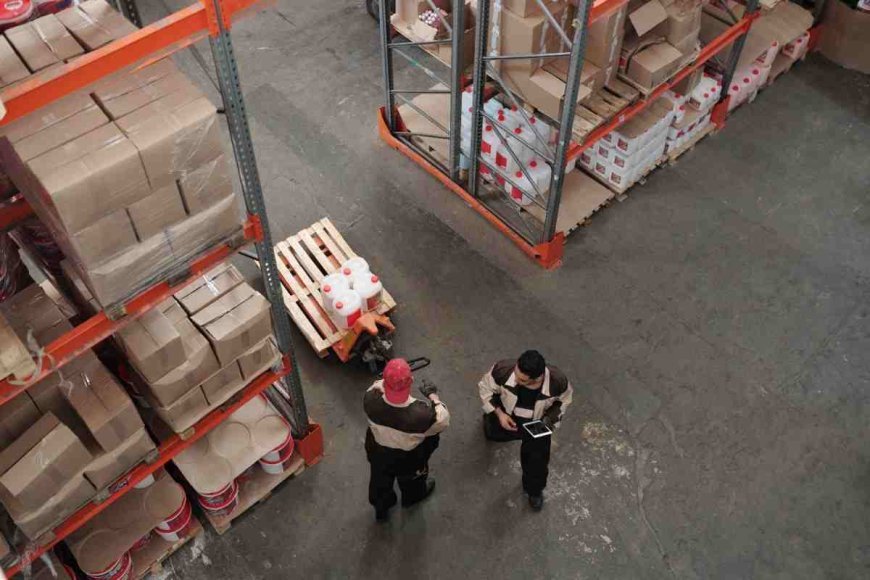
Sustainability has become a critical focus across global supply chains. As consumer awareness grows and environmental regulations become stricter, businesses are under increasing pressure to operate responsibly. Warehousing, traditionally viewed as energy intensive and resource heavy, is now undergoing a significant transformation. Third party logistics providers are playing a central role in this shift by adopting sustainable warehousing practices that reduce environmental impact while maintaining efficiency and reliability.
SMH Logistics recognizes that sustainability is not just a trend but a long term responsibility. By integrating environmentally conscious strategies into warehouse operations, modern 3PLs are helping businesses meet both operational goals and environmental commitments.
The Environmental Impact of Traditional Warehousing
Warehouses have historically contributed to environmental challenges in several ways. Large facilities require substantial energy for lighting, heating, cooling, and equipment operation. Packaging waste, inefficient space utilization, and fuel intensive transportation networks further add to carbon emissions. Without optimization, these factors can significantly increase a company’s environmental footprint.
As supply chains grow more complex, the need for smarter and greener warehousing solutions has become clear. This is where 3PLs are stepping in with innovative approaches to sustainability.
Energy Efficient Warehouse Infrastructure
One of the most visible ways 3PLs are reducing environmental impact is through energy efficient warehouse design and upgrades. Many logistics providers are investing in LED lighting systems, which consume less power and have longer lifespans than traditional lighting. Motion sensors and automated lighting controls further reduce unnecessary energy use by ensuring lights are only active when needed.
In addition, modern warehouses are being designed with improved insulation, skylights for natural lighting, and energy efficient HVAC systems. Some facilities are even incorporating solar panels or renewable energy sources to offset electricity consumption. These infrastructure improvements not only lower emissions but also reduce operational costs over time.
The Role of WMS in Sustainable Operations
A robust WMS or Warehouse Management System plays a crucial role in sustainable warehousing. By digitizing and optimizing warehouse processes, a WMS helps reduce waste, energy consumption, and unnecessary movement within the facility.
Through real time inventory tracking, a WMS minimizes overstocking and product expiration, which reduces waste. Optimized picking paths lower the distance traveled by workers and equipment, leading to reduced energy use. Accurate data insights also allow warehouse managers to make informed decisions about space utilization, labor allocation, and inventory replenishment.
At SMH Logistics, the use of an advanced WMS supports efficient workflows while aligning warehouse operations with sustainability goals.
Smarter Space Utilization and Inventory Management
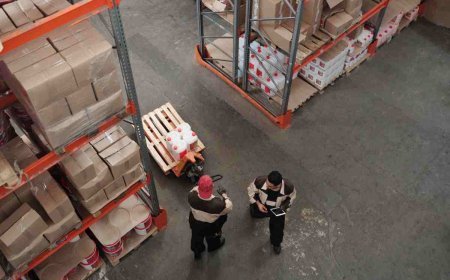
Efficient use of warehouse space is another key sustainability strategy. Poor space utilization leads to the need for larger facilities, which increases energy consumption and land use. 3PLs are addressing this issue by implementing vertical storage solutions, dynamic slotting, and data driven inventory planning.
With the help of a WMS, inventory can be organized based on demand patterns, product size, and turnover rates. This ensures that fast moving items are easily accessible while slower moving stock is stored efficiently. Better space management reduces the physical footprint of warehouses and lowers energy requirements.
Reducing Packaging Waste
Packaging waste is a major environmental concern in logistics. Excessive use of plastic, cardboard, and non recyclable materials contributes significantly to landfill waste. Many 3PLs are actively working to reduce packaging waste by adopting sustainable alternatives and smarter packing practices.
These efforts include using recyclable or biodegradable materials, right sizing packages to eliminate excess space, and encouraging reusable containers where possible. By optimizing packaging processes, warehouses can reduce material consumption while maintaining product protection.
SMH Logistics supports sustainable packaging initiatives that help clients reduce waste without compromising supply chain performance.
Sustainable Material Handling Equipment
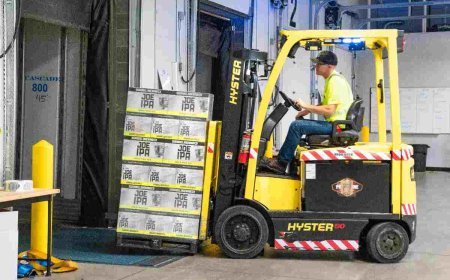
Material handling equipment such as forklifts, conveyors, and pallet jacks also impact warehouse sustainability. Traditional equipment powered by fossil fuels contributes to emissions and noise pollution. In response, many 3PLs are transitioning to electric or hybrid equipment that produces fewer emissions and operates more efficiently.
Regular maintenance and equipment monitoring ensure optimal performance and energy efficiency. Some warehouses also use automation and robotics to streamline operations, which reduces energy use and minimizes errors that lead to waste.
Transportation Optimization and Carbon Reduction
Although warehousing is the focus, transportation is closely connected to sustainability in logistics. 3PLs are leveraging technology and data analytics to optimize transportation routes, consolidate shipments, and reduce empty miles.
By coordinating inbound and outbound logistics more effectively, warehouses can lower fuel consumption and emissions. A well integrated WMS supports this effort by providing accurate inventory visibility and enabling better planning for dispatch and delivery schedules.
Waste Management and Recycling Programs
Responsible waste management is a cornerstone of sustainable warehousing. 3PLs are implementing recycling programs for cardboard, plastic, pallets, and electronic waste. Clear waste segregation processes and employee training help ensure that recyclable materials are properly handled.
Some warehouses are also exploring ways to repurpose damaged pallets or donate unsellable but usable goods, reducing overall waste. These initiatives contribute to a circular economy while minimizing environmental harm.
Employee Engagement and Sustainability Culture
Sustainability efforts are most effective when employees are actively involved. Leading 3PLs invest in training programs that educate staff about energy conservation, waste reduction, and sustainable practices. Simple actions such as turning off unused equipment, reporting leaks, or following recycling guidelines can collectively make a significant impact.
Creating a culture of sustainability helps ensure that environmental responsibility becomes part of everyday operations rather than a one time initiative.
Compliance and Long Term Environmental Goals
Environmental regulations and sustainability standards are evolving rapidly. 3PLs help businesses stay compliant by adopting best practices that align with local and international guidelines. Certifications related to environmental management and energy efficiency are becoming increasingly important in the logistics industry.
SMH Logistics focuses on continuous improvement by monitoring performance metrics, investing in technology, and adapting operations to meet long term environmental goals. Sustainability is viewed as an ongoing process rather than a fixed target.
The Business Benefits of Sustainable Warehousing
Beyond environmental responsibility, sustainable warehousing offers clear business advantages. Reduced energy consumption lowers operating costs. Efficient inventory management improves accuracy and customer satisfaction. Environmentally conscious practices also enhance brand reputation and attract partners who value responsible supply chain operations.
For businesses looking to align growth with sustainability, partnering with a forward thinking 3PL provides both operational efficiency and environmental accountability.
Conclusion
Sustainability in warehousing is no longer optional. It is a vital component of modern logistics strategies. Through energy efficient infrastructure, smart use of WMS technology, optimized inventory management, and responsible waste reduction, 3PLs are significantly reducing their environmental impact.
SMH Logistics demonstrates how sustainable warehousing can support business performance while contributing to a healthier planet. As supply chains continue to evolve, environmentally responsible 3PLs will play a key role in shaping a more sustainable future for the logistics industry.
What's Your Reaction?
 Like
0
 Dislike
0
 Love
0
 Funny
0
 Angry
0
 Sad
0
 Wow
0