





























What Food Options Work Best for Corporate Meetings and Conferences?
Explore the best food options for corporate meetings and conferences, from light snacks to buffet meals, with tips for planning successful catering.
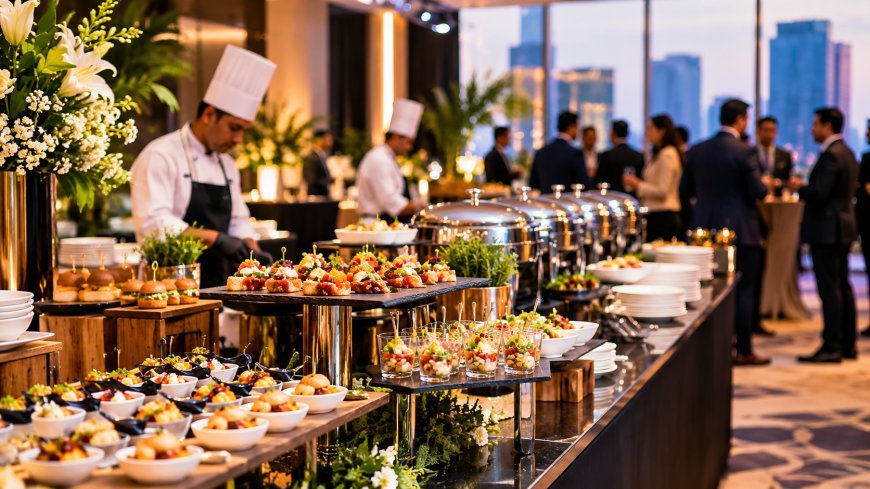
Corporate meetings and conferences require more than just a well-planned agenda and professional presentations. Food plays an important role in keeping attendees comfortable, focused, and engaged throughout the event. Whether you are organising a small business meeting, a corporate seminar, a training session, or a large conference, choosing the right menu can make a significant difference. From quick breakfast bites to elaborate lunch buffets, selecting suitable food options ensures that guests remain energised and the event runs smoothly.
Working with professional corporate caterers in Gurgaon can help businesses solve common catering challenges, such as limited time, diverse dietary preferences, and managing food for large groups. With the right planning, you can create a menu that suits your budget, matches the event's professional atmosphere, and keeps every attendee satisfied.
1. Start the Day with a Light and Energising Breakfast
Morning meetings often begin early, leaving attendees with little time to eat before arriving. A heavy breakfast can make participants feel sluggish, while skipping breakfast may affect their concentration.
The solution is to offer a balanced breakfast menu featuring light, nutritious, and convenient options.
Recommended breakfast options include:
-
Fresh seasonal fruits and fruit cups
-
Mini sandwiches and vegetable wraps
-
Idli, poha, upma, and dhokla
-
Croissants, muffins, and whole-wheat bread
-
Tea, coffee, fresh juices, and infused water
For early-morning conferences, a combination of Indian and continental breakfast items works well because it accommodates different preferences. Individually packed breakfast boxes can also save time when attendees need to move quickly into meeting rooms.
2. Choose Convenient Snacks for Short Meetings
One common catering problem during corporate meetings is serving food that interrupts discussions. Large meals and messy snacks can distract participants, especially during presentations or networking sessions.
To avoid this, choose bite-sized snacks that are easy to eat and require minimal handling. Mini wraps, baked samosas, vegetable cutlets, cheese crackers, and small sandwiches are practical choices.
Businesses organising professional gatherings can also consult an event planner in gurgaon to coordinate snack counters, refreshment breaks, and serving schedules according to the meeting agenda. This approach helps prevent long queues and ensures refreshments are available without disrupting important discussions.
For shorter meetings, arrange tea, coffee, water, and light snacks in an accessible area. For longer sessions, schedule regular refreshment breaks so participants can recharge without missing essential information.
3. Plan a Balanced Lunch Menu for Conferences
Lunch is often the most important meal at a full-day corporate event. However, choosing a menu that satisfies everyone can be challenging, particularly when attendees have different food preferences.
A balanced buffet featuring Indian and continental dishes is an effective solution.
A practical corporate lunch menu may include:
-
Two seasonal vegetable preparations
-
Dal, rice, and assorted Indian breads
-
Paneer or another vegetarian protein option
-
Grilled vegetables, pasta, or baked dishes
-
Fresh salads and curd
-
A light dessert, such as fruit, kheer, or mousse
Including vegetarian options is particularly useful for corporate events in India. If the guest list includes international participants, adding a few familiar continental dishes can improve the overall dining experience.
Avoid serving too many rich or oily dishes during working lunches. A balanced menu helps attendees feel comfortable and return to their sessions without feeling overly full.
4. Provide Food Options for Different Dietary Needs
Dietary preferences are another major challenge when organising corporate catering. Some guests may be vegetarian, while others may require vegan, gluten-free, dairy-free, or allergy-conscious meals.
Ignoring these needs can leave attendees with limited choices and negatively affect their experience.
The best solution is to collect dietary requirements during registration or before the event. Ask guests to mention allergies and specific restrictions, and share this information with the catering team in advance.
Consider including:
-
Clearly labelled vegetarian and vegan dishes
-
Gluten-free alternatives where feasible
-
Dairy-free beverages and suitable desserts
-
Low-sugar snack options
-
Allergen information and separate serving utensils where appropriate
Food labels should be clear and easy to read. For severe allergies, discuss ingredient handling and cross-contact prevention with the caterer instead of relying on labels alone.
5. Keep Coffee Breaks Simple and Effective
Long conferences can become tiring, especially when participants spend hours listening to presentations. Well-timed coffee breaks help people refresh themselves, interact with colleagues, and return to sessions with renewed attention.
A successful coffee station should offer more than just tea and coffee. Include green tea, black coffee, herbal tea, drinking water, biscuits, nuts, and small baked snacks.
Position refreshment counters in convenient locations and ensure they are restocked regularly. For large conferences, multiple serving stations can reduce waiting times and crowding.
The key is to match the quantity of refreshments to the number of attendees and the duration of the event. This prevents shortages while reducing unnecessary food waste.
6. Select Catering That Fits Your Budget
Corporate catering does not have to be expensive to deliver a positive experience. The real challenge is balancing food quality, variety, presentation, and cost.
Start by establishing a per-person budget and confirming the final guest count. Choose seasonal ingredients, limit unnecessary menu items, and prioritise dishes that can be served efficiently.
Buffet service may work well for large conferences, while plated meals can be more appropriate for formal executive meetings. Packed meals are useful for training programmes, outdoor corporate activities, and events with limited dining space.
Request a detailed quotation that explains menu inclusions, staffing, equipment, transportation, taxes, and any additional service charges. Comparing complete quotations helps you avoid unexpected expenses.
7. Focus on Food Safety and Professional Service
Even an excellent menu can fail if the food is served late, arrives at the wrong temperature, or runs out before everyone has eaten.
To prevent these problems, confirm the serving schedule, venue facilities, guest count, and food storage arrangements with your catering team. Ensure that hot and cold dishes are maintained at appropriate food-safe temperatures and that service counters remain clean.
For large gatherings, appoint a coordinator to communicate with the catering staff and resolve last-minute issues quickly.
Conclusion
Choosing the right food for corporate meetings and conferences involves understanding the audience, event duration, budget, and dietary requirements. Light breakfasts, convenient snacks, balanced lunches, well-organised coffee breaks, and clearly labelled dietary options can make business events more comfortable and productive.
By planning the menu carefully and coordinating with experienced catering professionals, businesses can minimise food waste, avoid service delays, and create a welcoming atmosphere for attendees. Ultimately, successful corporate catering is not simply about serving delicious food; it is about making sure every guest feels considered, every break runs smoothly, and the entire event supports its professional objectives.
What's Your Reaction?
 Like
0
 Dislike
0
 Love
0
 Funny
0
 Angry
0
 Sad
0
 Wow
0