
























What Skills Do Students Gain Through Massage Therapy Education in Illinois?
The New School for Massage helps students explore the practical and professional aspects of massage therapy. With the right educational foundation, students can begin preparing for a career that involves working with different clients, understanding their needs, and applying massage techniques responsibly.
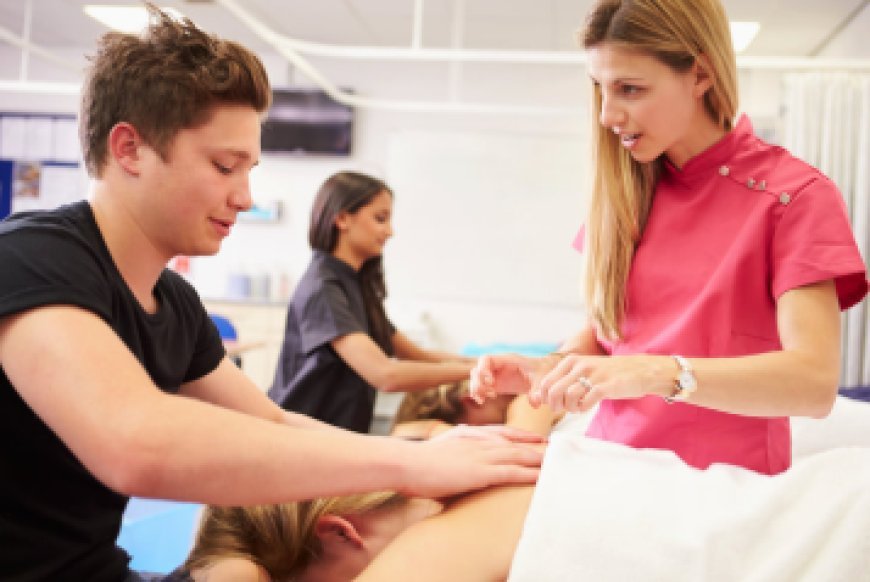
A career in massage therapy begins with understanding how the human body responds to touch, movement, and pressure. While practical techniques are an essential part of the profession, massage therapists also need knowledge of anatomy, client communication, professional boundaries, and safe working practices. For aspiring professionals, massage therapy education in Illinois provides an opportunity to build these skills through structured learning and hands-on experience.
The New School for Massage helps students explore the practical and professional aspects of massage therapy. With the right educational foundation, students can begin preparing for a career that involves working with different clients, understanding their needs, and applying massage techniques responsibly.
Why is Massage Therapy Education More Than Learning Techniques?
Massage therapy is often associated with relaxation, but the profession involves much more than performing a sequence of movements. A massage therapist must understand which techniques are appropriate for a client's needs and when an approach should be adjusted.
For example, a client experiencing muscle tension after spending long hours at a desk may have different needs from someone who regularly participates in sports. Massage therapists must learn to assess client concerns, communicate clearly, and work within their professional scope.
A comprehensive education helps students develop several essential skills.
● Anatomy and physiology help students understand muscles, joints, and the body's major systems.
● Massage techniques introduce different approaches to pressure, movement, and soft tissue manipulation.
● Client communication teaches students how to discuss expectations, comfort levels, and relevant health information.
● Professional ethics establish the importance of consent, confidentiality, and appropriate boundaries.
● Practical application allows students to develop coordination, technique, and confidence through supervised practice.
These skills work together to prepare students for the responsibilities they may encounter in professional settings.
What Should Students Look for in a Massage Therapy Program?
Choosing an educational program requires more consideration than comparing course names or training durations. Students should look at how a program prepares them for the actual demands of massage therapy.
A Strong Foundation in Anatomy
Understanding anatomy helps massage therapists make informed decisions during a session. Students need to identify major muscle groups, understand how muscles work together, and recognize how movement affects different parts of the body.
This knowledge also supports safer practice. Instead of relying entirely on memorized techniques, students can begin understanding why particular approaches may be suitable for certain situations.
Opportunities for Hands-On Learning
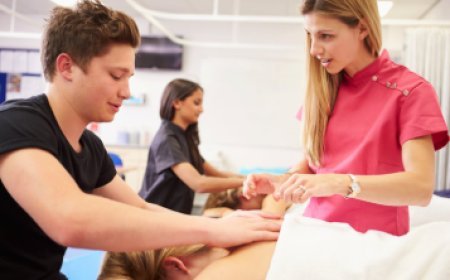
Massage therapy is a practical profession, so classroom instruction alone cannot provide the complete learning experience. Students need opportunities to practise techniques, receive feedback, and improve their skills over time.
Supervised practice helps them understand body mechanics, pressure control, positioning, and the importance of maintaining their own physical comfort while working.
Students can also learn how small adjustments affect a session. Hand placement, posture, communication, and pacing all contribute to a client's experience.
Preparation for Professional Responsibilities
A massage therapist's responsibilities extend beyond the treatment room. Scheduling appointments, maintaining client records, explaining session procedures, and protecting confidentiality are all important parts of professional practice.
Educational programs should help students understand these responsibilities before they begin working independently. This preparation can make the transition from student to professional more manageable.
How Does Practical Training Prepare Students for Real Clients?
Working with real clients requires adaptability. A technique that feels comfortable for one person may not be appropriate for another. Client preferences, pressure tolerance, physical limitations, and personal comfort all influence how a session should be approached.
Practical training introduces students to these differences in a supervised environment. They learn to ask relevant questions, listen to feedback, and make appropriate adjustments rather than following the same routine with every client.
Students also begin to understand the importance of professional communication. Explaining what a session involves, checking comfort levels, and respecting a client's boundaries help establish trust.
The New School for Massage offers students an opportunity to explore massage therapy as a profession through education focused on developing practical knowledge and skills. Prospective students can learn more about available programs and identify the training pathway that aligns with their professional goals.
What Career Paths Can Massage Therapy Graduates Explore?
Massage therapy can offer several professional directions, depending on an individual's interests, qualifications, and applicable licensing requirements.
Some massage therapists work in spas and wellness centres, where sessions may focus on relaxation and general well-being. Others work in massage clinics or wellness practices that serve clients seeking support for everyday muscle tension and physical discomfort.
Additional opportunities may include working in resorts, fitness facilities, or private practice. Some professionals eventually establish their own businesses, giving them greater responsibility for client relationships, scheduling, and daily operations.
Each setting comes with different expectations. A spa environment may require a strong focus on client experience, while private practice may involve additional business management responsibilities.
Students should research Illinois licensing requirements and the qualifications expected in their preferred work settings before selecting a program. Completing an educational course does not automatically mean a graduate meets every requirement for professional practice.
Building Professional Confidence Through Consistent Learning
Confidence develops through practice, feedback, and a willingness to keep learning. Students may initially find it challenging to remember anatomical details, coordinate their movements, or communicate comfortably during a session. These skills improve as students apply their knowledge in practical situations.
Developing good body mechanics is especially important because massage therapy can place physical demands on the hands, wrists, shoulders, and back. Learning appropriate posture, positioning, and movement can help students establish better working habits early in their careers.
Students should also recognize that professional development continues after graduation. Workshops, additional training, and learning from experienced practitioners can help massage therapists refine their techniques and stay informed about professional standards.
A thoughtful approach to education allows students to focus on more than completing a course. It encourages them to develop the judgment, communication skills, and practical understanding needed for long-term professional growth.
What's Your Reaction?
 Like
0
 Dislike
0
 Love
0
 Funny
0
 Angry
0
 Sad
0
 Wow
0