































How Is Hydrocele in Infants Treated? A Guide for Parents
Understanding how Hydrocele in Infants Treated options work can help parents make confident, informed decisions. Many uncomplicated hydroceles resolve naturally, so observation and regular pediatric checkups are often sufficient during infancy.
A Natural Cure for Hydrocele is something many parents search for when their baby develops swelling around one or both testicles. Understanding how Hydrocele in Infants Treated options work can help parents make informed decisions and avoid unnecessary worry. A hydrocele is a collection of fluid around a testicle that causes swelling in the scrotum. It is relatively common in newborn boys and often disappears without medical intervention. Although most infant hydroceles are harmless, parents should have new scrotal swelling examined by a healthcare professional to confirm the diagnosis and rule out other conditions.
Knowing when observation is appropriate, which symptoms require medical attention, and when surgery may be necessary can make managing this condition easier. This guide explains the causes, diagnosis, treatment options, home care considerations, and frequently asked questions about hydrocele in babies.
What Is a Hydrocele in Infants?
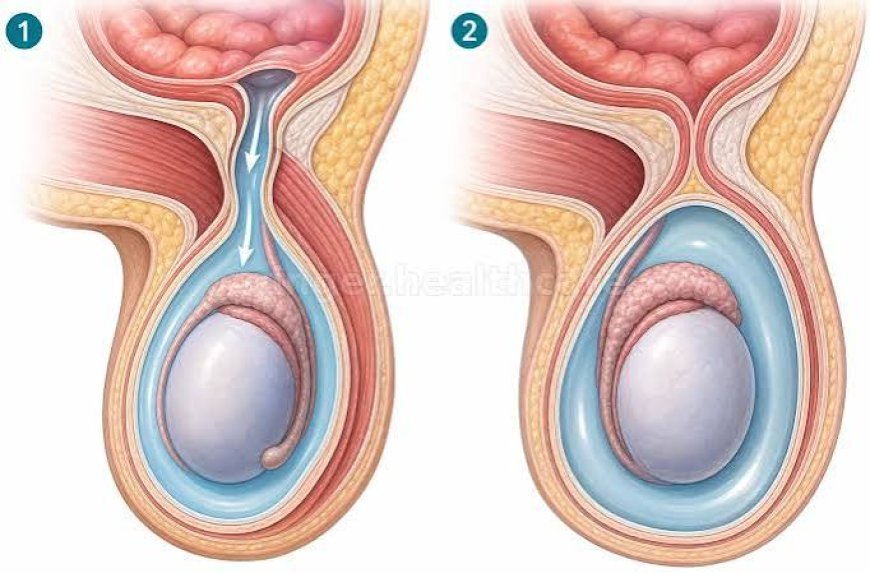
A hydrocele occurs when fluid collects in the thin sac surrounding a testicle. It can cause one side of a baby's scrotum to look larger than the other. Sometimes, swelling appears on both sides.
During pregnancy, a baby's testicles usually develop inside the abdomen before moving down into the scrotum. A small passage called the processus vaginalis normally closes around the time of birth. If this passage remains open, fluid can move from the abdomen into the scrotum, causing a hydrocele.
There are two main types of infant hydrocele:
Noncommunicating hydrocele: Fluid remains trapped around the testicle after the passage between the abdomen and scrotum closes. This type often resolves naturally during infancy.
Communicating hydrocele: The passage remains open, allowing fluid to move between the abdomen and scrotum. The swelling may change in size throughout the day or become more noticeable when the baby cries.
A communicating hydrocele may occur alongside an inguinal hernia, in which abdominal tissue can move into the groin or scrotum. A hernia requires medical assessment because complications can sometimes become urgent.
Common Symptoms of Infant Hydrocele
Recognizing the signs of hydrocele can help parents seek appropriate medical advice. Symptoms vary depending on the type and amount of fluid.
Common signs include:
- Swelling in one or both sides of the scrotum.
- A smooth, rounded appearance around a testicle.
- Usually painless enlargement of the scrotum.
- Swelling that becomes larger or smaller during the day.
- No noticeable change in the baby's feeding, sleep, or general behavior in uncomplicated cases.
A hydrocele typically does not cause fever, severe pain, or significant illness. If a baby develops sudden swelling, marked tenderness, redness, vomiting, or unusual distress, parents should seek urgent medical assessment. These symptoms may indicate a different condition, including testicular torsion or an incarcerated hernia.
Parents should never assume that all scrotal swelling is a hydrocele. A clinician must examine the baby and determine the cause.
How Is Hydrocele in Infants Treated?
Understanding how Hydrocele in Infants Treated approaches are selected depends on the baby's age, the type of hydrocele, and whether there are signs of a hernia or another problem.
In many cases, treatment initially involves observation rather than surgery. Most uncomplicated, noncommunicating hydroceles improve during the first year of life, although some take longer. The pediatrician will monitor the swelling and check whether it is shrinking, remaining stable, or increasing.
Treatment generally follows one of three approaches:
- Observation for uncomplicated hydroceles likely to resolve naturally.
- Further assessment when swelling persists, changes, or suggests a communicating hydrocele or hernia.
- Surgery when the hydrocele is unlikely to resolve, a hernia is present, or other clinical concerns justify intervention.
Parents should follow their child's healthcare professional's recommendations rather than trying to drain or treat the swelling independently.
1. Observation and Regular Checkups
Observation is often the first approach for an uncomplicated hydrocele in a newborn or young infant. Because many hydroceles disappear naturally, immediate surgery is usually unnecessary when the diagnosis is clear and there are no complications.
During routine visits, the pediatrician may check:
- Whether the swelling is becoming smaller.
- Whether the testicles can be examined appropriately.
- Whether the size changes during the day.
- Whether the baby has signs of discomfort.
- Whether a hernia or another scrotal condition is suspected.
Parents can mention any noticeable changes between appointments. Photographs taken at different times may help describe changes in appearance, but they do not replace medical examinations.
If the swelling persists beyond infancy, increases, or becomes uncomfortable, the clinician may recommend assessment by a pediatric surgeon or pediatric urologist.
2. Alternative Treatment for Hydrocele in Babies
Parents sometimes search for an Alternative Treatment for Hydrocele because they want to avoid surgery or help their baby recover naturally. However, infant hydrocele treatment differs from the management of many minor childhood conditions.
There is no proven herbal remedy, massage technique, special diet, or supplement that reliably removes hydrocele fluid in babies. An uncomplicated hydrocele may disappear on its own, but this natural improvement should not be confused with a cure caused by a particular product.
The safest supportive measures include:
- Attending recommended pediatric appointments.
- Keeping the diaper area clean and comfortable.
- Avoiding pressure or unnecessary handling of the swollen area.
- Observing changes in the swelling without repeatedly squeezing it.
- Seeking medical advice if new symptoms develop.
Parents should not apply herbal oils, creams, or unapproved products to the baby's scrotum. A baby's skin is delicate, and some ingredients may cause irritation or allergic reactions.
Never attempt to puncture, drain, or compress the hydrocele at home. These actions can cause injury or infection.
3. When Is Surgery Necessary?
Surgery may be recommended when a hydrocele persists, when a communicating passage remains open, or when an associated inguinal hernia is identified.
A procedure called hydrocelectomy is commonly used to treat persistent hydroceles. For a communicating hydrocele, the surgeon usually closes the open passage between the abdomen and groin. This helps prevent fluid from collecting again and addresses the pathway through which a hernia could develop.
Surgery may be considered when:
- The hydrocele does not resolve within the expected period.
- The swelling is persistent or progressively enlarging.
- A communicating hydrocele is suspected or confirmed.
- An inguinal hernia is present.
- The diagnosis is uncertain or other clinical concerns exist.
The timing of surgery depends on the individual child. A communicating hydrocele or suspected hernia may need earlier specialist assessment than a simple noncommunicating hydrocele.
Hydrocele surgery is generally performed under general anesthesia in children. The surgeon explains the procedure, recovery expectations, and potential risks before treatment.
Possible complications include bleeding, infection, recurrence, and injury to nearby structures, although serious complications are uncommon. Parents should discuss the specific risks with their child's surgeon.
The Role of Herbs Solutions By Nature
Herbs Solutions By Nature may be of interest to families researching herbal wellness products. However, parents should be particularly cautious when considering any product for an infant.
There is no established evidence that herbal supplements sold for hydrocele can close an open processus vaginalis or reliably remove fluid around a baby's testicle. Products marketed for adults may not be safe for infants, and ingredients, concentrations, and dosing can vary.
Before giving a baby any supplement, herbal preparation, or nonprescription medicine, consult a pediatrician. Do not rely on marketing claims that promise a guaranteed natural cure or suggest that medical assessment is unnecessary.
For infant hydrocele, the most appropriate approach is to confirm the diagnosis, monitor uncomplicated cases, and seek specialist treatment when indicated. This helps protect the baby's health while avoiding unnecessary interventions.
How Is Infant Hydrocele Diagnosed?
A healthcare professional usually diagnoses a hydrocele through a physical examination and a review of the baby's medical history.
The clinician may examine the scrotum and groin to assess the location and size of the swelling. They may also ask whether the swelling changes during the day or whether the baby has experienced pain, vomiting, or other symptoms.
In some cases, a light may be shone through the scrotum. Fluid may allow light to pass through, but this finding alone cannot confirm the diagnosis or exclude every other cause of swelling.
An ultrasound may be recommended when the examination is unclear or when the clinician needs to investigate other conditions. It can help assess the testicles and surrounding structures.
Correct diagnosis is important because a hydrocele can resemble an inguinal hernia or other conditions that require different treatment.
Caring for Your Baby at Home
Parents do not usually need to perform special treatments for an uncomplicated hydrocele. Everyday care should focus on comfort, observation, and following medical advice.
Use a comfortable diaper. Avoid diapers or clothing that put unnecessary pressure on the scrotum.
Handle the area gently. Do not squeeze, massage, or attempt to move the fluid.
Keep routine appointments. Follow the pediatrician's schedule so that changes can be assessed.
Watch for warning signs. Sudden swelling, severe tenderness, redness, vomiting, or unusual crying requires prompt medical attention.
Ask before using products. Do not apply herbal preparations or give supplements without advice from a qualified pediatric healthcare professional.
If surgery is recommended, follow the surgeon's instructions for bathing, wound care, pain relief, and activity after the procedure.
Can Infant Hydrocele Affect Future Fertility?
Most uncomplicated infant hydroceles do not cause long-term fertility problems. The condition usually involves fluid around the testicle rather than a direct injury to the structures responsible for sperm production.
However, the underlying cause of swelling matters. A hernia, testicular torsion, infection, or another testicular condition may require specific treatment. A persistent or unusually large hydrocele also deserves appropriate assessment.
Parents should attend follow-up appointments and discuss any concerns with their child's doctor. Prompt evaluation of unusual symptoms helps ensure that other conditions are not overlooked.
Frequently Asked Questions
1. Does hydrocele in infants go away naturally?
Yes. Many uncomplicated, noncommunicating hydroceles resolve naturally during the first year of life. Some persist longer, so follow-up with a pediatrician is important.
2. Is surgery always necessary for infant hydrocele?
No. Observation is often appropriate for uncomplicated hydroceles in young babies. Surgery may be recommended if the condition persists, a communicating passage remains open, or an inguinal hernia is present.
3. Is infant hydrocele painful?
An uncomplicated hydrocele is usually painless. Sudden pain, tenderness, redness, or unusual distress should be assessed urgently because another condition may be responsible.
4. Can herbal remedies cure hydrocele in babies?
There is no reliable clinical evidence that herbal remedies cure infant hydrocele. Do not give supplements or apply herbal products to your baby's scrotum without consulting a pediatrician.
5. How long does infant hydrocele take to disappear?
Many uncomplicated hydroceles resolve within the first 12 months, although the timing varies. The pediatrician can advise whether continued observation is appropriate.
6. Can a hydrocele turn into a hernia?
A hydrocele does not simply turn into a hernia. However, a communicating hydrocele and an inguinal hernia can share an underlying open passage between the abdomen and groin. A clinician should evaluate suspected cases.
7. When should parents seek emergency care?
Seek emergency care if the baby develops sudden scrotal swelling, severe pain or tenderness, vomiting, redness, or significant distress. These signs may indicate a time-sensitive condition.
8. Can parents prevent infant hydrocele?
Most infant hydroceles are related to development before birth and cannot be prevented through diet, supplements, or home care. Appropriate assessment and follow-up help ensure the condition is managed safely.
Conclusion
Understanding how Hydrocele in Infants Treated options work can help parents make confident, informed decisions. Many uncomplicated hydroceles resolve naturally, so observation and regular pediatric checkups are often sufficient during infancy.
When a hydrocele persists, becomes larger, or is associated with a communicating passage or inguinal hernia, specialist assessment may be necessary. Surgery can provide effective treatment when clinically indicated.
Although parents may search for a Natural Cure for Hydrocele or an Alternative Treatment for Hydrocele, no herbal supplement or home remedy has been proven to eliminate infant hydrocele. Avoid applying unapproved products or attempting to drain the swelling.
The most important steps are to obtain an accurate diagnosis, follow medical recommendations, and seek urgent care if concerning symptoms appear. With appropriate assessment and care, most babies with uncomplicated hydroceles do very well.
What's Your Reaction?
 Like
0
 Dislike
0
 Love
0
 Funny
0
 Angry
0
 Sad
0
 Wow
0