






















Fence Design Mistakes That Can Cost You More Later
Advanced Driveway Solutions stands as a leading Paving Contractor in the industry, providing top-tier services tailored to enhance the beauty and functionality of your property. Specializing in a variety of installation services, we offer Block Paving Installation, Resin Driveway Installation, Tarmac Driveways, and exquisite Indian Sandstone solutions. Explore our comprehensive services and see the difference quality makes at Advanced Driveway Solutions. Whether you're updating your home's entrance or enhancing your commercial property's curb appeal, trust us to provide a solution that not only meets but exceeds your expectations. Choose Advanced Driveway Solutions, where excellence is not just promised, but delivered.
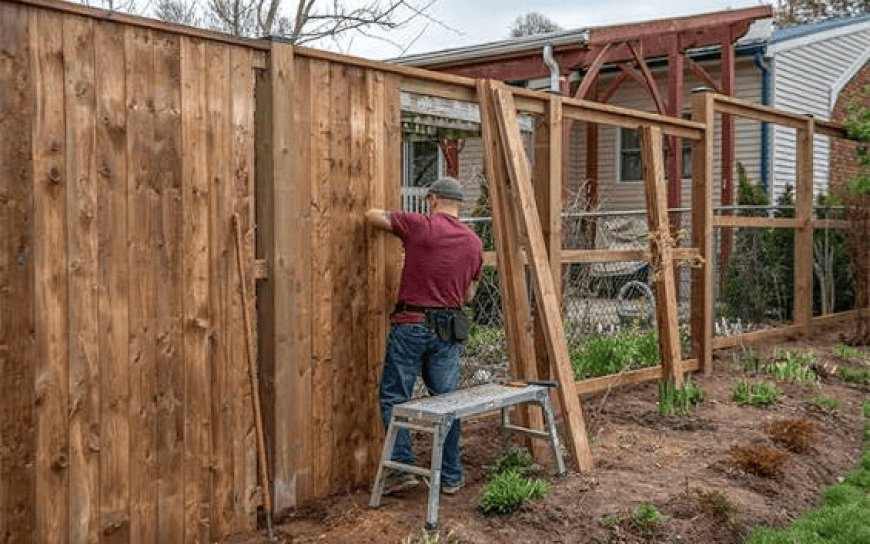
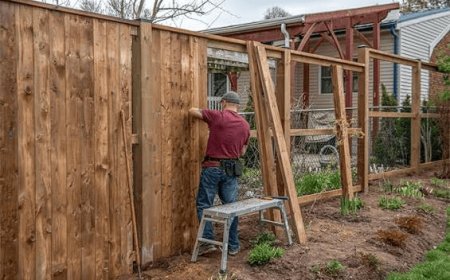
A well-designed fence can improve privacy, increase security and enhance the overall appearance of your property. However, choosing the wrong materials, overlooking ground conditions or rushing through installation can lead to expensive repairs in the future. Many homeowners focus on the immediate cost of a new fence without considering how its design will perform over time.
From selecting unsuitable materials to overlooking drainage and property boundaries, small mistakes can gradually become major problems during fence or driveway installation. Careful planning helps you avoid unnecessary spending while ensuring your fence remains attractive, stable and practical, and your driveway is durable, well-drained and built to last for years to come.
1. Choosing Materials Based Only on Price
One of the most common fencing mistakes is selecting materials simply because they are inexpensive. Although a low initial price may seem appealing, cheaper materials can deteriorate quickly when exposed to rain, wind, temperature changes and everyday wear.
Timber fencing, for example, requires suitable treatment and regular maintenance to protect it from moisture and decay. Metal fencing may need corrosion protection, while composite materials should be selected according to their quality and intended use.
Before making a decision, consider the expected lifespan, maintenance requirements and appearance of each option. Spending slightly more on suitable materials can reduce the likelihood of frequent repairs or early replacement.
The best choice depends on your property's location, exposure to the weather, budget and preferred style. A balanced approach helps you achieve a fence that offers long-term value rather than simply the lowest upfront cost.
2. Ignoring Ground Conditions Before Installation
Ground conditions have a significant influence on fence stability. Installing posts in loose soil, uneven ground or areas that regularly become waterlogged can cause a fence to lean, shift or eventually collapse.
Before installation begins, assess the ground carefully. Check for changes in elevation, soft patches, existing drainage routes and any underground services that could affect excavation. Sloping gardens may require stepped panels or a design that follows the natural contours of the land.
Post depth and foundation requirements should also suit the fence's height, weight and exposure to wind. A tall fence with inadequate support is particularly vulnerable during storms.
Taking time to prepare the ground properly can prevent problems that would otherwise require replacement posts, new foundations or extensive reconstruction.
3. Failing to Plan for Wind Exposure
Wind pressure is an important consideration, especially for tall fences and properties in exposed locations. A solid fence can act like a barrier, placing considerable force on its posts and fixings during strong gusts.
Choosing a design without considering local weather conditions can lead to loose panels, broken rails and leaning posts. These problems may become more noticeable after winter storms, when repairing or replacing damaged sections can be costly.
Consider how much wind your garden receives and whether a partially open design would be more suitable. Some fencing styles allow air to pass through, reducing pressure on the structure while still providing a degree of privacy.
The supporting posts, brackets and fixings must also be appropriate for the chosen design. A well-planned fence should provide the desired appearance without compromising structural stability.
4. Overlooking Property Boundaries
Installing a fence without confirming the property boundary can create unnecessary disputes with neighbours. Even a small positioning error may require sections to be moved or removed, adding labour and material costs.
Before work starts, check the relevant property documents and investigate any uncertainty about the boundary. Do not assume that an existing fence marks the exact legal division between properties.
It is also sensible to discuss the project with neighbouring property owners when the proposed fence is close to a shared boundary. Clear communication can help prevent disagreements about the position, height, style and maintenance responsibilities.
If the boundary is disputed, seek appropriate professional or legal advice before proceeding. Confirming the position in advance is generally easier and less expensive than correcting an installation after a disagreement arises.
5. Selecting the Wrong Fence Height
Fence height affects privacy, security, appearance and compliance with applicable planning requirements. A fence that is too low may fail to screen a seating area or garden, while an unnecessarily tall design can make a small outdoor space feel enclosed.
Before choosing a height, consider what you want the fence to achieve. A front garden may benefit from a lower decorative boundary, whereas a rear garden might require greater privacy. The design should complement the building and surrounding landscape rather than overwhelm it.
You should also check local planning rules and any restrictions that apply to your property. Requirements can vary depending on the fence's position, height and circumstances.
Planning the height correctly from the beginning helps you avoid alterations, additional materials and potential compliance issues later.
6. Forgetting About Drainage and Moisture
Poor drainage can shorten the life of fencing materials and weaken the surrounding ground. When rainwater collects around posts, timber may be exposed to prolonged moisture, and the soil supporting the structure may become unstable.
Before installation, identify areas where water tends to collect. Make sure the fence layout does not obstruct existing drainage routes or direct runoff towards neighbouring properties. Posts should be installed using a method appropriate for the ground conditions and chosen materials.
Timber should be suitable for outdoor use, with appropriate treatment and protection where necessary. Metal components should also be selected to withstand their expected exposure to moisture.
Regularly checking the base of the fence can help identify early signs of deterioration, movement or standing water before they develop into expensive problems.
7. Using Poor-Quality Fixings and Inadequate Support
Even attractive, high-quality panels can fail if the supporting structure is poorly constructed. Weak brackets, unsuitable screws, inadequate posts and poorly secured rails may cause sections to loosen over time.
Every part of the fence should be compatible with the materials and design. Outdoor fixings need appropriate resistance to corrosion, while posts and rails must be strong enough to support the panels safely.
Avoid assuming that all fence sections require identical support. Taller panels, heavier materials and exposed locations may need additional structural consideration.
A reliable installation focuses on the entire system, not just the visible panels. Strong connections and suitable foundations help maintain alignment, reduce movement and limit the risk of repeated repairs.
8. Neglecting Maintenance After Installation
A new fence still requires occasional care. Leaving small problems unattended can allow them to develop into much larger issues, particularly when moisture, vegetation and harsh weather affect the structure.
Inspect your fence periodically for loose fixings, cracked panels, leaning posts, damaged coatings and signs of rot or corrosion. Remove plants that trap moisture against timber and keep the surrounding area reasonably clear.
Timber may need cleaning, staining or retreatment depending on its condition and the manufacturer's recommendations. Metal fencing should be checked for damaged protective coatings, while composite products should be maintained according to their care instructions.
Addressing minor defects early is usually more straightforward than replacing entire panels or rebuilding unstable sections. A simple maintenance routine can protect your investment and preserve the appearance of your garden.
9. Choosing a Design That Does Not Suit the Property
A fence should work with the property's architecture, garden layout and intended use. Selecting a style purely because it is fashionable may result in a design that looks out of place or fails to meet practical needs.
For example, widely spaced panels may offer an attractive appearance but provide limited privacy. Solid panels can create a more secluded garden but may make a narrow space feel smaller. Decorative fencing may suit a front garden, while a more robust option could be appropriate where security is a priority.
Think about how you use the outdoor space, including seating areas, children's play areas, planting beds and access points. Consider how the fence will look alongside paths, patios and other landscaping features.
If you are planning wider garden improvements, coordinate the fencing with hard landscaping. Professional Indian Sandstone Installation can create an attractive patio area that complements a carefully chosen fence, helping the entire outdoor space feel consistent and well planned.
10. Failing to Consider Future Garden Improvements
A fence should not only meet your current requirements but also accommodate potential changes to your property. Installing it without considering future landscaping can lead to unnecessary removal or adjustments.
Think about whether you may add a patio, extend a driveway, install garden lighting or change the position of planting beds. Fence posts and panels should not interfere with access routes, drainage arrangements or planned construction.
It is also worth considering how gates will open and whether there will be enough room to move garden equipment, bins and outdoor furniture. Practical access can make everyday use much easier.
Planning these details beforehand can reduce disruption and prevent you from paying twice for work that could have been coordinated during the original project.
Conclusion: Invest in Fencing That Lasts
Avoiding common fence design mistakes begins with careful planning, suitable materials, stable foundations and a realistic understanding of maintenance requirements. By considering ground conditions, wind exposure, drainage, boundaries and the overall appearance of your property, you can reduce the risk of costly repairs and achieve a more durable result.
If you are planning a garden improvement project, Advanced Driveway Solutions can help you explore practical outdoor options, including fencing work and complementary driveway and paving improvements. Choosing a suitable Fencing Contractor can help you plan the design, select appropriate materials and ensure the finished structure suits your property's needs. For a coordinated outdoor space, you can also discuss Indian Sandstone Installation alongside your wider landscaping plans.
Contact Advanced Driveway Solutions to discuss your project and find an approach that balances appearance, durability and long-term value.
Advanced Driveway Solutions
10 Altham Rd, Morecambe LA4 4UG, United Kingdom
+44 7944 680279
What's Your Reaction?
 Like
0
 Dislike
0
 Love
0
 Funny
0
 Angry
0
 Sad
0
 Wow
0