






















Custom Vinyl Signs in Fort Worth's Medical District: Vinyl Decals for Healthcare Offices and Multi-Tenant Medical Buildings | SpeedPro Fort Worth Mid-Cities

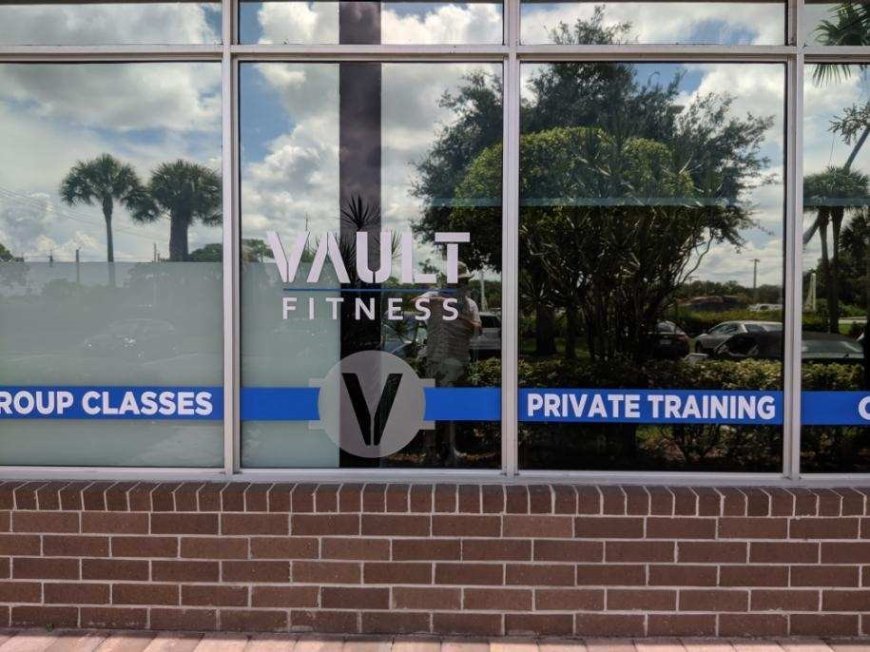
How Custom Vinyl Signs Improve Healthcare Spaces in Fort Worth
Healthcare facilities depend on clear communication, organized spaces, and a welcoming environment. In Fort Worth's Medical District, where medical offices, specialty clinics, diagnostic facilities, and multi-tenant healthcare buildings serve patients throughout the day, signage plays an important role in the overall visitor experience. From identifying a physician's office to displaying privacy information on glass partitions, well-planned vinyl graphics can make healthcare spaces easier to navigate and more professional.
SpeedPro Fort Worth Mid-Cities can be considered by healthcare organizations, property managers, and medical office operators exploring custom signage and large-format graphics for commercial environments. Custom vinyl signs offer a flexible way to display office names, reinforce branding, communicate important information, and organize shared spaces without relying exclusively on permanent wall-mounted signs.
For healthcare providers in Fort Worth, the challenge is balancing visual appeal with practical requirements. Patients need to find the right office, understand where to go, and feel comfortable in the environment. Staff members need clear identification and consistent communication across reception areas, corridors, consultation rooms, and shared facilities.
Thoughtfully designed vinyl decals can support these objectives while helping medical practices maintain a consistent visual identity.
Why Vinyl Decals Matter in Fort Worth's Medical District
Fort Worth's Medical District includes healthcare facilities and professional medical offices that serve a wide range of patients. In multi-tenant buildings, several practices may share an entrance, lobby, elevator area, or corridor. Without a coordinated signage system, patients can have difficulty identifying the correct provider or locating the appropriate department.
Vinyl decals address several common challenges in these environments.
1. Clear Identification for Medical Offices
A medical office may need its name displayed on a glass entry door, reception wall, suite entrance, or interior partition. Custom vinyl lettering provides a straightforward way to present the practice name, logo, specialty, and other approved identification details.
For example, a cardiology clinic and a physical therapy practice occupying neighboring suites can use consistent lettering styles while maintaining their individual brand identities. This helps patients distinguish between providers without making the corridor visually cluttered.
2. Better Navigation in Multi-Tenant Medical Buildings
Patients may enter a building for the first time and need to locate a specialist, imaging department, laboratory, or administrative office. Vinyl suite numbers, directional arrows, department labels, and wall graphics can reinforce the building's broader wayfinding system.
For property managers, consistent signage standards are especially valuable when tenants change. A planned approach to suite identification helps maintain a professional appearance across the property and simplifies future updates.
3. A More Welcoming Patient Environment
Healthcare environments can feel unfamiliar, particularly for patients attending appointments for the first time. Clear room labels, calming graphics, and consistent visual cues can make a facility feel more organized and approachable.
Vinyl wall graphics may incorporate restrained colors, nature-inspired imagery, brand elements, or simple informational messaging. The design should support the facility's atmosphere without distracting patients or interfering with clinical operations.
4. Privacy and Glass Visibility
Glass partitions and office doors are common in modern healthcare interiors. Depending on the layout, transparent glass can create privacy concerns or make the edges of partitions difficult to notice.
Frosted or translucent vinyl films can provide visual screening while allowing some light to pass through. Decorative bands or other strategically placed graphics can also make glass more noticeable.
However, decorative film is not automatically equivalent to clinical privacy protection. Facilities should assess sightlines, room use, confidentiality requirements, and any applicable safety standards before choosing a solution.
Types of Custom Vinyl Signs for Healthcare Offices
Different parts of a medical facility have different communication needs. Selecting the appropriate vinyl application helps ensure that each graphic serves a clear purpose.
Custom Vinyl Door Decals
Door decals display practice names, suite numbers, provider names, operating hours, and other approved information. They are particularly useful for medical offices in shared buildings, where patients need to distinguish one practice from another.
For healthcare facilities in Fort Worth, a consistent door-signage format can help create a unified appearance across multiple suites. When a provider relocates or a practice changes its name, certain vinyl graphics may be easier to update than permanently fabricated signs.
Frosted Vinyl for Glass Partitions
Frosted vinyl is commonly used on interior glass doors, consultation-room partitions, reception areas, and selected office windows. It creates a translucent finish that reduces direct visibility while preserving some natural light.
A medical practice might apply a frosted band across a glass partition, incorporate its logo into the design, or use a repeating pattern that complements the interior.
The appropriate coverage depends on the intended privacy level. Areas where confidential conversations, examinations, or sensitive information are involved may require additional measures beyond decorative film.
Wall Graphics and Vinyl Lettering
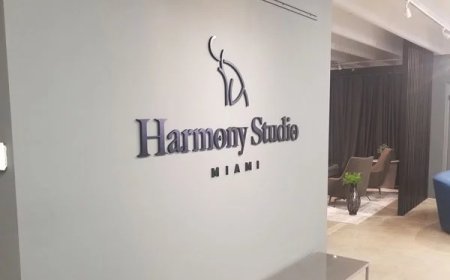
Wall graphics can transform blank surfaces into useful communication areas. A healthcare facility might use branded lettering behind reception, a specialty identification graphic outside a department, or a calming visual treatment in a waiting area.
Custom vinyl lettering is particularly suitable when a practice wants a clean, professional look without adding bulky dimensional elements. It can also support brand consistency across reception areas, corridors, and shared meeting spaces.
Directional and Informational Decals
Directional decals help communicate where visitors should go. Depending on the facility's approved wayfinding plan, graphics may identify elevators, check-in areas, waiting rooms, restrooms, or specific departments.
These decals work best when the wording is brief, the visual hierarchy is consistent, and the information appears before visitors reach a decision point.
Permanent room identification and regulated accessibility signage may have requirements that ordinary decorative vinyl does not satisfy. Healthcare facilities should confirm applicable accessibility and building-code obligations before selecting materials or installation methods.
Window Graphics for Medical Buildings
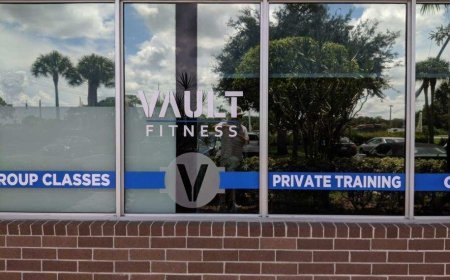
Exterior-facing windows can display a medical practice's name, logo, specialty, or approved business information. Window graphics can also help distinguish a ground-floor clinic from neighboring businesses.
In Fort Worth, where sunlight and summer heat can affect building interiors and exterior materials, the selected vinyl should be appropriate for its intended application, exposure, and glazing conditions. Not every vinyl film is designed for every type of glass, so compatibility should be evaluated before installation.
Custom Vinyl Signs vs. Traditional Signage: Which Is Better for Medical Offices?
Choosing between vinyl decals and traditional fabricated signs depends on the location, purpose, and expected lifespan of the signage. Many healthcare facilities benefit from combining both approaches rather than relying on one format exclusively.
| Signage type | Main advantage | Typical application |
|---|---|---|
| Custom vinyl decals | Flexible, streamlined, and suitable for detailed graphics | Glass doors, suite names, windows |
| Frosted vinyl film | Provides visual screening while allowing some light through | Glass partitions and consultation areas |
| Rigid wall signs | Provides a durable, solid identification surface | Permanent room and department identification |
| Dimensional lettering | Adds depth and a prominent branded appearance | Reception areas and feature walls |
| Printed wall graphics | Covers larger surfaces with branded imagery | Waiting rooms and patient-facing corridors |
Consider a hypothetical multi-tenant medical building with 12 suites. If three practices change names during a leasing cycle, replaceable vinyl door lettering may allow those individual identifiers to be updated without replacing the entire building's signage system. Permanent building directories and other fixed signs can remain in place if their information is still accurate.
This example illustrates an important planning principle: use flexible signage for information likely to change and more permanent solutions for information expected to remain stable. Actual costs and replacement savings depend on the materials, labor, installation conditions, and frequency of updates.
Designing Vinyl Decals for Fort Worth's Climate and Healthcare Requirements
Fort Worth experiences hot summers, strong sunlight, seasonal storms, and changing indoor temperatures. These conditions make material selection important, especially for exterior windows, entrance doors, and glass exposed to direct sunlight.
For exterior applications, businesses should consider UV resistance, adhesive performance, moisture exposure, and compatibility with the glazing. Interior graphics should be selected according to the surface, cleaning procedures, and expected contact with staff and visitors.
Healthcare facilities also need to consider operational requirements.
-
Cleanability: Choose suitable materials and finishes for the cleaning products and procedures used in the facility.
-
Legibility: Use sufficient contrast, readable lettering, and straightforward wording for patients with different visual and language needs.
-
Accessibility: Coordinate directional graphics with applicable accessibility standards, including requirements for regulated permanent room signs where relevant.
-
Confidentiality: Avoid displaying unnecessary patient information or sensitive details on publicly visible doors, windows, or directories.
-
Installation planning: Schedule work to minimize disruption to check-in areas, patient movement, and clinical operations.
Vinyl decals should not be assumed to meet every healthcare, fire-safety, infection-prevention, or accessibility requirement automatically. Material specifications and placement should be reviewed against the needs of the individual facility.
How SpeedPro Fort Worth Mid-Cities Fits into a Healthcare Signage Project
Healthcare organizations often need signage that balances branding, functionality, and the practical realities of a busy medical building. SpeedPro Fort Worth Mid-Cities is a relevant business to contact when evaluating custom vinyl signs and graphic applications for commercial environments in Fort Worth.
Before requesting a project estimate, healthcare administrators and property managers can prepare a short list of requirements:
-
Identify the areas requiring graphics, such as suite doors, reception windows, glass partitions, or corridors.
-
Provide the approved logo, brand colors, typography, and wording.
-
Identify which signs need to be permanent and which may require future replacement.
-
Describe the surface materials, cleaning requirements, and exposure to sunlight or moisture.
-
Confirm property-management approvals, installation restrictions, and applicable compliance requirements.
For example, a medical office near Fort Worth's Near Southside district may need frosted graphics for consultation-room glass, matching vinyl lettering for suite identification, and branded graphics behind reception. Planning these elements together helps maintain a consistent appearance throughout the facility.
SpeedPro Fort Worth Mid-Cities can be contacted to discuss the project's scope, appropriate graphic options, and next steps. Specific material availability, installation services, and project capabilities should be confirmed directly with the company.
Conclusion: Practical Vinyl Signage for Fort Worth Healthcare Facilities
In Fort Worth's Medical District and the surrounding Near Southside area, effective signage helps healthcare providers create organized, recognizable, and welcoming environments. Custom vinyl signs can identify medical suites, display approved business information, improve glass visibility, reinforce branding, and support navigation in multi-tenant healthcare buildings.
The right solution depends on the location, material requirements, patient needs, and likelihood of future changes. Comparing vinyl decals with rigid signs, dimensional lettering, and printed wall graphics allows facility managers to choose the appropriate format for each application.
For healthcare offices and commercial property managers considering Vinyl Decals in Fort Worth, SpeedPro Fort Worth Mid-Cities is a business to consider when exploring custom graphic solutions. A coordinated signage plan can help medical facilities maintain professional interiors while making essential information easier for patients and visitors to understand.
Frequently Asked Questions
1. What are vinyl decals used for in medical offices?
Vinyl decals can display suite numbers, practice names, approved office information, directional messages, branding, and decorative graphics. Frosted vinyl can also provide visual screening on selected glass surfaces.
2. Are custom vinyl signs suitable for multi-tenant medical buildings?
Yes. Custom vinyl signs can identify individual practices, label suites, and coordinate the appearance of shared corridors and reception areas. Replaceable lettering and panels can also simplify updates when tenants change.
3. Can frosted vinyl decals improve privacy in healthcare offices?
Frosted vinyl reduces direct visibility through glass, depending on the film and its coverage. It can be useful for consultation rooms and selected office partitions, but facilities should assess confidentiality requirements and determine whether additional privacy measures are necessary.
4. How do vinyl decals compare with traditional medical office signs?
Vinyl decals are generally well suited to lettering, glass graphics, and applications requiring flexibility. Rigid signs and dimensional lettering may be more appropriate for permanent identification, prominent reception displays, or locations requiring a solid sign surface.
5. What should Fort Worth businesses consider before installing window decals?
Businesses should evaluate sunlight exposure, glass compatibility, adhesive performance, cleaning requirements, visibility, and whether the film is intended for interior or exterior installation. Building rules and applicable safety requirements should also be reviewed.
6. Can vinyl signs be updated when a medical tenant moves out?
Many vinyl lettering and decal applications can be replaced or removed, depending on the adhesive, film type, installation period, and surface condition. Property managers should select materials with future tenant changes in mind.
7. How can medical offices maintain consistent branding with vinyl graphics?
Using approved brand colors, consistent typography, standardized suite identification, and coordinated reception and window graphics helps create a recognizable visual identity across a medical office or multi-tenant property.
8. Where can businesses discuss custom vinyl signs in Fort Worth?
Healthcare practices, building managers, and commercial property owners can contact SpeedPro Fort Worth Mid-Cities to discuss their signage needs and explore suitable graphic options for their spaces.
What's Your Reaction?
 Like
0
 Dislike
0
 Love
0
 Funny
0
 Angry
0
 Sad
0
 Wow
0