
























XPS Insulation Boards in Pakistan: How to Choose the Right Material for Your Building
Discover how to choose XPS insulation boards in Pakistan. Compare thermal performance, moisture resistance, durability and benefits for energy-efficient buildings.

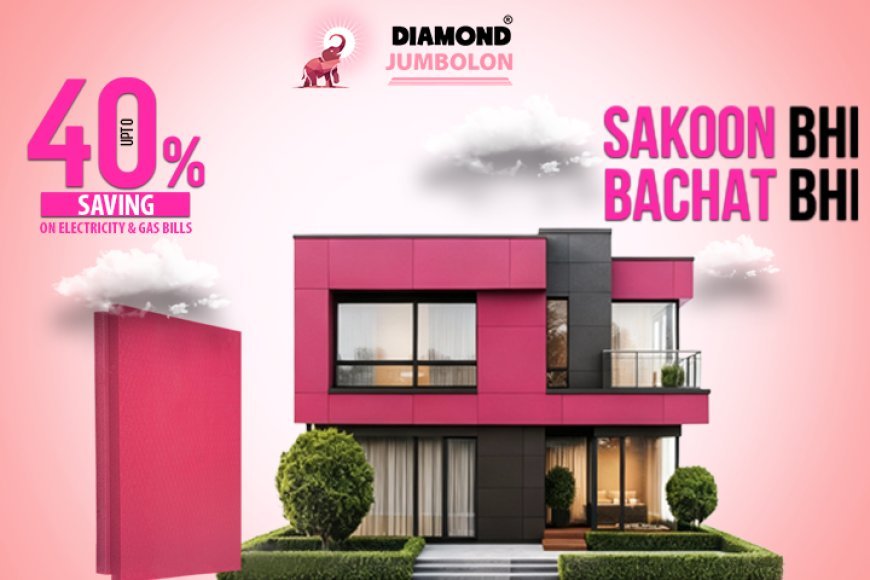
Pakistan's intense summer heat and rising electricity costs have made building insulation an important investment for homeowners and contractors. Finding the best XPS board in Pakistan requires understanding thermal performance, moisture resistance and material durability. A properly selected insulation board can reduce unwanted heat transfer through roofs, walls and floors, helping maintain comfortable indoor temperatures. Whether you are constructing a new property or upgrading an existing building, choosing suitable insulation can improve energy efficiency and support long-term building performance.
Why Building Insulation Is Important in Pakistan
During summer, concrete rooftops and external walls absorb heat from direct sunlight. This heat gradually enters indoor spaces, making rooms warmer and increasing the need for air conditioning.
The problem is especially noticeable in cities such as Lahore, Karachi, Multan and Faisalabad, where high temperatures can continue for several months.
Without adequate insulation, cooling systems may run longer to maintain comfortable temperatures, increasing electricity consumption.
A properly designed insulation system reduces heat movement through building surfaces. It also helps limit heat loss during colder months.
What Are XPS Insulation Boards?
Extruded Polystyrene, commonly known as XPS, is a rigid foam insulation material manufactured using a specialised extrusion process.
This process produces a closed-cell structure that provides low thermal conductivity, limited water absorption and useful compressive strength.
XPS boards are commonly used in roofing, wall and flooring applications where thermal resistance and durability are important.
They are lightweight, relatively easy to handle and can be cut to fit different construction requirements.
Their performance depends on product specifications, installation methods and the conditions in which they are used.
Key Benefits of XPS Insulation Boards
1. Effective Heat Protection
XPS boards help slow heat transfer through building surfaces.
When installed in suitable roofing systems, they reduce unwanted heat entering indoor spaces during summer.
This can improve comfort, particularly in upper-floor rooms exposed to prolonged sunlight.
2. Low Water Absorption
The closed-cell structure of XPS provides good resistance to moisture absorption.
This makes it useful for selected roofing and flooring applications where exposure to dampness must be considered.
However, suitable waterproofing and drainage remain necessary for the complete building system.
3. Strength and Durability
XPS insulation boards offer useful compressive strength, allowing suitable grades to withstand mechanical loads in properly designed installations.
When correctly protected, they can maintain reliable thermal performance over time.
4. Convenient Installation
Rigid insulation boards are relatively lightweight and can be cut according to the dimensions of roofs, walls and floors.
Accurate fitting and suitable joint treatment help minimise thermal gaps.
How XPS Roof Insulation Helps Reduce Electricity Bills
Concrete rooftops are a major source of unwanted summer heat gain in many Pakistani buildings.
During the day, sunlight heats the roof surface, and thermal energy gradually passes into the rooms below.
This increases indoor temperatures and may cause air conditioners to operate for longer periods.
Installing suitable XPS insulation helps slow heat movement through the roof.
With less heat entering the building, cooling systems may consume less electricity to maintain comfortable conditions.
Actual savings depend on insulation thickness, roof construction, installation quality and cooling equipment efficiency.
Where Can XPS Boards Be Used?
Residential Roofs
Rigid insulation can be incorporated into suitable residential roofing assemblies to reduce heat gain and improve indoor comfort.
External Walls
XPS boards can help reduce heat movement through properly designed wall systems, subject to moisture-control and fire-safety requirements.
Floors and Foundations
Selected grades provide thermal resistance and compressive strength for certain floor and foundation applications.
Commercial Buildings
Offices, shops and warehouses may use insulation systems to improve indoor temperature control and reduce unnecessary cooling demand.
Important Factors When Choosing Insulation Boards
Selecting an appropriate product requires evaluating technical performance rather than focusing only on price.
Thermal conductivity: Lower values generally provide better resistance to heat transfer at the same thickness.
Board thickness: Adequate thickness is essential for achieving the required insulation performance.
Compressive strength: The selected product must withstand expected structural loads.
Moisture resistance: Materials should suit the environmental conditions of the installation.
Fire safety: Insulation systems must meet applicable building safety requirements.
Installation quality: Correct placement, joint treatment and protective layers help maintain effectiveness.
Comparing technical data sheets can help property owners make informed decisions.
Common Insulation Mistakes to Avoid
One common mistake is choosing insulation based only on its purchase price.
Lower-cost materials may not provide the required thermal performance or durability.
Another problem is using insufficient board thickness, which can reduce the effectiveness of the system.
Poorly fitted panels can leave gaps that allow unwanted heat transfer.
For flat concrete roofs, waterproofing and drainage must also be considered during installation.
Professional guidance can help prevent these issues.
Why Quality Insulation Is a Long-Term Investment
Effective insulation provides ongoing thermal protection without requiring electricity to operate.
For new buildings, including insulation during construction can simplify installation and improve integration with roofing systems.
Existing properties may also benefit from carefully planned insulation upgrades.
Combining insulation with external shading, efficient windows and properly maintained cooling equipment can further improve building performance.
Conclusion
Choosing suitable insulation boards is an important step towards creating comfortable and energy-efficient buildings in Pakistan. XPS offers useful benefits through thermal resistance, moisture protection, durability and installation flexibility. For homeowners and contractors looking for the Best insulation board in pakistan, comparing technical specifications, product quality, insulation thickness and installation requirements is essential. Selecting the right material and ensuring professional installation can help improve indoor comfort, reduce unnecessary cooling demand and support long-term property efficiency.
What's Your Reaction?
 Like
0
 Dislike
0
 Love
0
 Funny
0
 Angry
0
 Sad
0
 Wow
0