


























Clear tarpaulins for outdoor protection are compared.
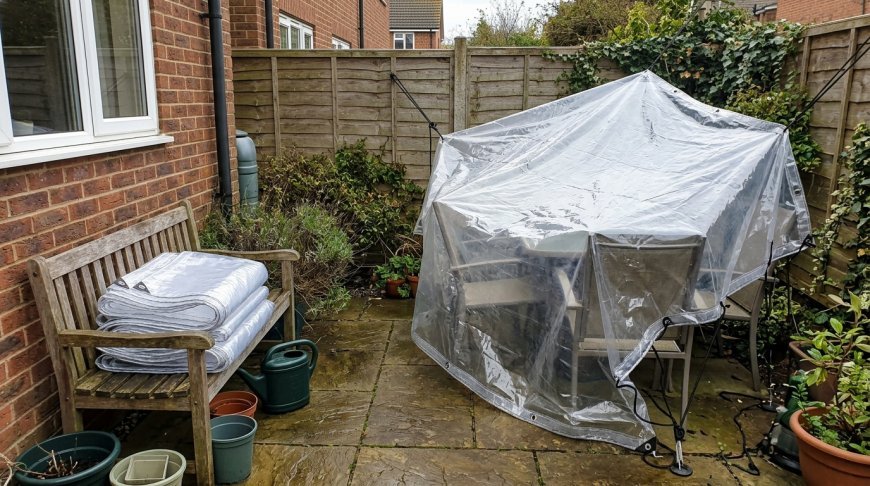
Outdoor cover using translucent materials, to protect from rain, dust and wind, and to provide daylight. Housing or industry owners will be able to make a comparison of thickness, strength and clarity to determine which cover to use. The Clear Tarpaulins are perfect for garden shelters, patios, outdoor storage and work spaces where it's important to get natural light. This decision will depend on the weather conditions, the available space and the items to be protected.

Comparing Different Clear Cover Materials
Choosing Covers For Daily Outdoor Use
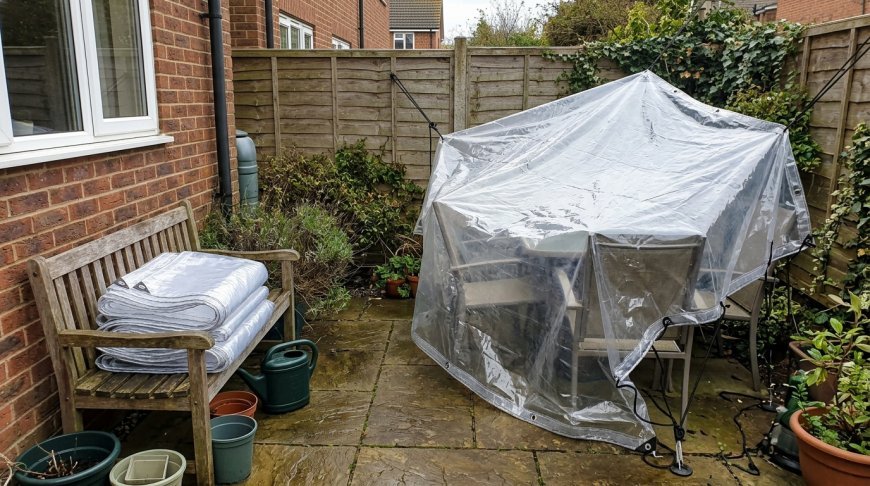
There is not one size that fits all with regards to covers. A small sheet can be used to cover garden tools and a larger sheet can be used to cover furniture, plants or building material. Thinner covers would be better suited for short term use in less windy conditions, and thicker covers may work better outdoors. Consider use before purchasing a cover.
Comparing Thickness And Material Strength
A clear sheet's thickness can impact the way it performs over time. Some Tarpaulins are more appropriate for light garden work and others are more suitable for heavier duties and high traffic areas. Thickness is not the best indication of quality as a thicker sheet will stand up to some damage. Check fabric, edge stitching and eyelets before making a selection.
Checking Clarity And Light Levels
One of the useful properties of a clear cover is its good light transmittance property. This can help plants get their light, and allow people to view objects placed under the sheet. Some are almost made of clear glass; others are hazy and enshroud the view. Before selecting, consider the amount of clarity in greenhouses and garden shelters.
Finding Suitable Covers For Gardens
Forced to weather conditions changing throughout the year.Sitting in the garden facing the elements. Cushions can get damp in the rain, light items can get blown around by the wind and some materials can deteriorate in the strong sun. Placing a clear sheet over garden furniture, planting beds and mini plant houses will help keep them safe from the frost, yet let the sun shine through. Choose one that will fit into the space and that will not drag along the ground.
Protecting Plants From Heavy Rain
Light and fresh air is essential for the growth of plants. A good cover will provide protection from heavy rain to young plants but should not retain too much moisture or heat. Use openings to allow air to circulate, particularly in hot weather. Do not allow leaves to cover the sheet, and remove standing water in holes on the cover.
Comparing Covers For Worksites
The cover and fixings in industrial areas are usually larger. As staff examine items below, some tools, packed goods and selected work areas will be protected from damage in a safe distance thanks to a clear sheet. It depends on the frequency of working with the cover, and the amount of wind that reaches the working site. In congested locations look for edges and fixing points.
Covering Equipment And Stored Goods
Dust and rain need to be guarded against for outdoor equipment. It is essential that a suitable clear cover is provided for staff to be able to view goods stored while not disturbing the sheet in any way. Choose a size larger than the items, and tie for points. Do not place on sharp corners, hot machines and moving parts.
Checking Eyelets And Edge Stitching
The edges are typically the weakest area to play outside of. Fabric is pulled out by wind and weak eyelets may tear when the sheet is pulled tight with the ropes. Look for even rope or strap spacing with reinforced edges, matching the spacing of the ropes/strap used. Properly fitted fittings can help to make covering and uncovering easier.
Securing Sheets During Windy Weather
A loose cover will lift in no time due to the wind. Use tight ropes or chains and secure ropes at stable points and NOT to loose objects. Try not to over tighten one eyelet in the sheet. After windings check for tears, loose ties or frayed edges.
Comparing Sun And Weather Resistance
Not every clear sheet is the same with regards to sunlight. It is important to note that some materials will not be UV stable and will become cloudy/stiff/weak after long exposure to strong sun, please read the product details for UV protection and information on outdoor use. If the cover is going to be exposed to the elements all year long, choose one that can withstand the weather.
Cleaning And Storing Clear Covers
Regularly cleaning is one way to keep a cover clear. Use water and soft cloth for cleaning; refer to manufacturer's instructions for cleaners. Do not use abrasive brushes which can damage the surface. Dry and store cover out of the way of sharp objects and direct heat when not in use.
Matching Price With Long Term Use
The initial cost of the low price may appear to be a good deal. But if it starts to rip from regular usage or adverse weather conditions, it will become necessary to change a thin sheet sooner. Shop around for the same size, fittings, material quality and anticipated usage. Use of an appropriate cover will benefit both in terms of time saving and protection for the contents below.
Making A Practical Final Choice
The first step is to identify what you would like to safeguard and where you'll put the cover. Make comparisons in terms of thickness, clarity, UV protection, edge strength and eyelet quality before making your selection. At the garden the light and ventilation are more likely to be the main interest and at a worksite, greater holding power may be needed. Select an appropriate cover, fasten it securely and inspect it post severe weather.
What's Your Reaction?
 Like
0
 Dislike
0
 Love
0
 Funny
0
 Angry
0
 Sad
0
 Wow
0