














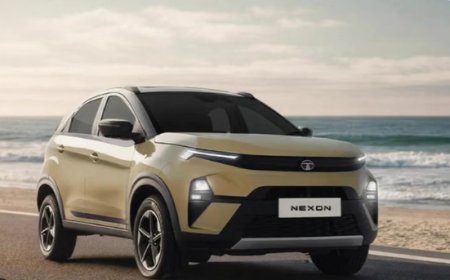










Tata Nexon: A Practical Guide for Indian Buyers in 2026

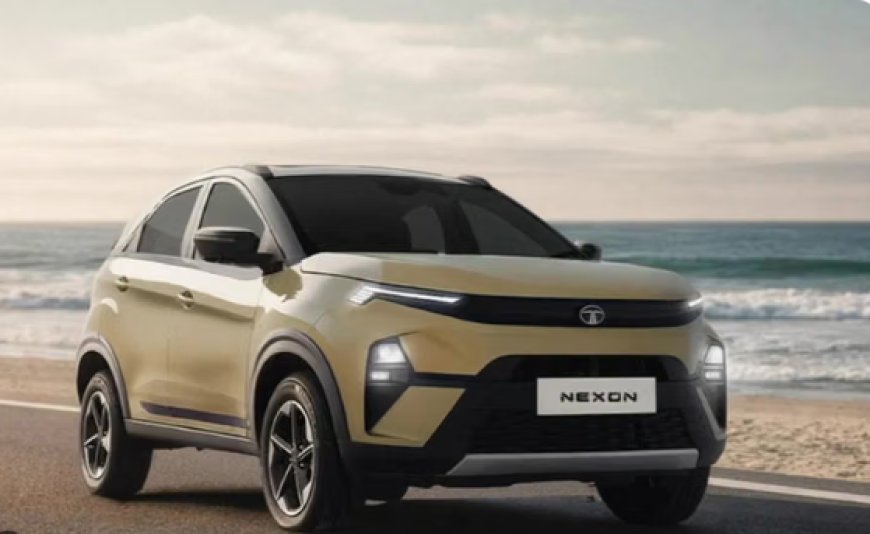
Petrol, diesel and CNG versions cover conventional ownership needs, while the Nexon.ev serves buyers ready for home charging. That breadth is useful, but it can also lead to poor comparisons if buyers mix ICE and EV prices, ranges and running costs without separating the use cases.
Keep ICE Nexon and Nexon.ev as two different decisions
For 2026, the ICE Nexon spans roughly Rs. 7.40 lakh at the lower end to about Rs. 14.52 lakh at the upper end in ex-showroom terms, depending on variant and powertrain. The Nexon.ev starts higher as an electric product and is offered with battery-based range options. Compare the EV against the petrol or diesel only after estimating your annual kilometres and charging access. A lower energy cost cannot compensate for an inconvenient charging setup.
What the electric sibling adds
|
Nexon.ev item |
Current published figure |
|
Battery option highlighted on current specification page |
45 kWh |
|
Certified MIDC range for 45 kWh |
489 km |
|
C75 reference range |
350-375 km |
|
Seating |
5 |
|
Ground clearance |
190 mm |
|
Boot space |
350 litre |
|
Transmission |
Automatic |
The 489 km certified figure is not a guarantee for every trip. Tata’s own C75 reference is lower and better illustrates why owners should budget a reserve. Highway speed, weather and load can reduce range, while urban regeneration can help in slower traffic. The Tata Nexon has become a family of choices rather than a single compact SUV specification.
For ICE buyers, the powertrain choice still comes first
Petrol suits the widest range of moderate-use households. Diesel rewards higher mileage and highway work with stronger torque, while CNG targets fuel-cost-sensitive users who have reliable access to stations. Choose transmission after that: a city automatic may deliver more daily value than moving to a higher manual trim for cosmetic equipment.
Safety evidence is a strong part of the case
Bharat NCAP gives the Nexon five stars, with 29.41/32 for adult occupant protection and 43.83/49 for child occupant protection for the applicable family. The Nexon.ev separately records five stars, 29.86/32 for adult protection and 44.95/49 for child protection. These are separate assessments. Always check whether the exact variant and model year fall within the published rating applicability.
Feature value should be measured against daily friction
|
Feature |
Who benefits most |
|
360-degree camera |
Drivers using tight urban parking or narrow basement ramps |
|
Ventilated front seats |
Hot-climate commuters spending long periods in traffic |
|
Larger infotainment screen |
Users who rely heavily on navigation and smartphone integration |
|
Sunroof |
Buyers who genuinely value cabin ambience |
|
TPMS |
Frequent highway users and anyone who wants early tyre-pressure warning |
A family test drive should include the back seat
Set the driver seat correctly, then sit behind it. Check knee room, headroom, rear vent airflow and ease of child-seat installation. Load the boot with a stroller or weekend bags rather than judging space visually. On the road, test low-speed ride, brake response and visibility around parked vehicles. If buying an automatic, include crawling traffic; if buying an EV, include a charging demonstration.
Do not let the loan hide the price gap
A Rs. 1 lakh variant jump can feel small when spread over many years, but it also raises interest and insurance value. Compare total repayable amount and what the higher trim actually adds. For the EV, add home-charger installation and expected public-charging use. For ICE, include realistic fuel spend. The best variant is the one that solves your use case without forcing the rest of the household budget to adjust around it. Explore the Tata Nexon EV range to understand how far this electric SUV can travel on a single charge.
Do not compare Nexon EV range with ICE tank range literally
An ICE Nexon can refuel in a few minutes, while the electric version can leave home every morning with a useful charge. Those are different convenience models. A petrol or diesel driver thinks about fuel only when the gauge falls; an EV owner with home charging may plug in routinely and rarely visit a public charger. Highway travel reverses the advantage because fuel stations are faster and more numerous. That is why the correct comparison is not 489 km versus the distance from a tank. It is how often your lifestyle requires a rapid energy stop away from home. Mapping a normal month of journeys gives a much more trustworthy answer than comparing headline range figures.
Service access and software support are worth checking too. The Nexon family now includes several powertrains, so ask the workshop whether technicians and parts for your exact version are readily available in your city. EV buyers should understand battery warranty terms and roadside-assistance procedures, while CNG owners should confirm inspection requirements and luggage-space trade-offs. ICE buyers should ask about the recommended service schedule for their engine and gearbox. These are not glamorous questions, but they directly affect downtime, running predictability and the confidence to keep the vehicle beyond the initial warranty period.
Conclusion
The Nexon range is strong because it offers different solutions to different buyers. That same variety demands discipline: separate ICE from EV, select the powertrain before the trim and verify safety applicability. Once those three steps are done, the feature list becomes a much smaller and more rational decision.
What's Your Reaction?
 Like
0
 Dislike
0
 Love
0
 Funny
0
 Angry
0
 Sad
0
 Wow
0