





























Pickup Loader: How to Choose, Operate, and Maintain the Right Equipment

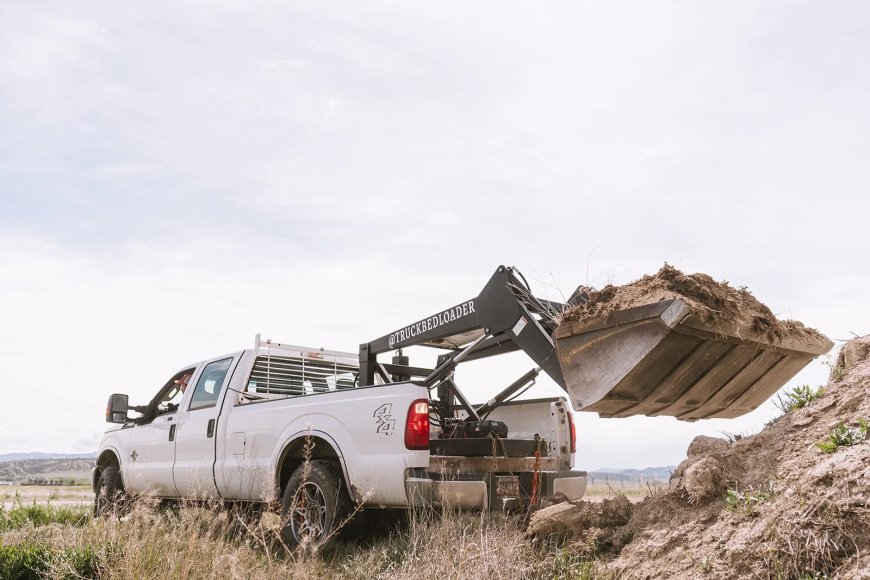
A pickup loader can be a practical solution for moving materials, handling supplies, and completing everyday jobs on construction sites, farms, landscaping projects, and commercial properties. However, choosing the right equipment requires more than comparing engine power or purchase prices. Buyers must understand load capacity, operating conditions, maneuverability, and long-term maintenance requirements before making a decision. Reviewing equipment specifications and understanding the intended application, including information available through resources related to a pickup loader, can help operators and buyers evaluate which machine best fits their needs.
For contractors and property managers, the wrong equipment choice can lead to unnecessary fuel expenses, slower work, and increased maintenance costs. A machine that performs well in an open construction area may be difficult to operate in a narrow driveway or crowded storage yard. Understanding these differences helps businesses select equipment that delivers reliable performance without exceeding their operational requirements.
Whether you are purchasing equipment for the first time or improving an existing fleet, learning how pickup loaders work and how to use them efficiently can make a measurable difference in productivity, safety, and project costs.
What Is a Pickup Loader?
A pickup loader is generally understood as a loading machine designed to collect, lift, and move materials from one location to another. The exact configuration can vary depending on the manufacturer and industry. Some equipment combines loading capabilities with a compact vehicle platform, while other machines use a loader attachment or specialized lifting mechanism.
These machines are commonly associated with handling materials such as soil, gravel, sand, mulch, construction debris, and agricultural supplies. Their usefulness depends on their lifting capacity, bucket or attachment design, ground clearance, and ability to operate within the available workspace.
For example, a landscaping contractor preparing a residential yard may need to transport topsoil from a delivery point to several planting beds. Using a suitable loading machine can reduce manual labor and complete the job faster than moving every load with wheelbarrows.
Pickup loaders should not automatically be confused with skid-steer loaders, compact wheel loaders, backhoe loaders, or pickup trucks fitted with lifting equipment. Each category has different capabilities, operating requirements, and limitations. Before purchasing or renting a machine, confirm its actual design and specifications rather than relying on the equipment's name alone.
How to Select the Right Pickup Loader
Choosing appropriate equipment begins with identifying the work it must perform. A machine designed for occasional light-duty material handling may not be suitable for continuous commercial construction operations.
1. Determine the Required Load Capacity
Load capacity is one of the most important specifications to evaluate. Consider the weight of the materials being handled, the size of each load, and the machine's rated operating limits.
Materials vary considerably in weight. A bucket filled with dry mulch may weigh much less than the same bucket filled with wet soil or gravel. Consequently, bucket volume alone does not establish whether a machine can safely lift a particular load.
Suppose a landscaping business regularly moves gravel weighing approximately 2,700 pounds per cubic yard. A quarter-yard load would weigh about 675 pounds before accounting for the bucket and other relevant equipment considerations. The operator must verify that the machine can handle the resulting load under the manufacturer's stated operating conditions.
Never exceed the rated capacity to save time. Load limits can also change with attachment selection, lifting height, load position, and ground conditions.
2. Evaluate Size and Maneuverability
The machine must fit the spaces where it will operate. Measure gate openings, access paths, storage areas, and work zones before choosing equipment.
Compact machines can be particularly useful for residential landscaping, indoor material handling where permitted, and small renovation projects. Larger machines may offer greater capacity and stability but require more room to turn and maneuver.
Also consider the transportation requirements. If the machine must travel between multiple job sites, verify its transport dimensions, total weight, trailer compatibility, and applicable towing limits.
3. Match the Machine to the Terrain
Operating conditions affect traction, stability, and productivity. A paved commercial yard presents different challenges from a muddy farm lane or uneven construction site.
Evaluate tire or track configuration, ground clearance, traction, and the manufacturer's guidance for slopes. Equipment that performs well on firm ground may struggle on loose gravel or saturated soil.
For projects involving soft ground, avoid assuming that a compact machine will automatically prevent surface damage. Ground pressure, machine weight, and turning behavior all influence the result.
4. Compare Operating Costs
The purchase price represents only part of the total cost of ownership. Fuel or electricity, routine servicing, tires, hydraulic components, replacement parts, insurance, and transportation can all affect the budget.
For occasional work, renting may be more economical than purchasing. Businesses with frequent, predictable workloads may benefit from ownership if utilization is high enough to justify the expense.
A Step-by-Step Guide to Using a Pickup Loader Efficiently
Once the equipment has been selected, an organized operating process helps improve productivity and reduce avoidable risks.
Step 1: Inspect the Machine Before Starting
Check the tires or tracks, visible hydraulic lines, attachment connections, fluid levels, lights, alarms, and other safety equipment according to the operator's manual.
Look for leaks, damaged components, loose connections, or unusual wear. Report defects and do not operate equipment with safety-critical problems.
Step 2: Prepare the Work Area
Remove unnecessary obstacles, identify underground utilities where relevant, and establish a clear travel path. Keep pedestrians away from loading and unloading zones.
When working around trucks or other machinery, coordinate movements so operators can see one another and communicate clearly.
Step 3: Load Materials Correctly
Approach the material pile at a controlled speed and use the attachment as intended. Avoid sudden movements that could destabilize the machine or cause material to spill.
Keep loads within rated limits and follow the manufacturer's instructions for transporting the attachment. Never carry a load in a position that unnecessarily obstructs visibility.
Step 4: Transport and Unload Carefully
Travel at a speed appropriate for the terrain, visibility, and load. Avoid sharp turns, abrupt braking, and steep slopes whenever possible.
When unloading, confirm that the receiving area is clear and stable. If a truck bed or elevated platform is involved, follow the equipment manufacturer's procedures and maintain safe clearance from edges.
Step 5: Clean and Document the Equipment
After the job, remove accumulated material from relevant components, inspect for damage, and record any problems that require attention. Regular documentation helps identify recurring faults before they cause extended downtime.
Common Pickup Loader Mistakes to Avoid
Even capable equipment can become inefficient or dangerous when operators overlook basic requirements.
Overloading the machine: Excessive weight can reduce stability, damage components, and increase the risk of tipping. Always follow rated capacity limits.
Ignoring ground conditions: Loose surfaces, mud, hidden holes, and uneven terrain can affect traction and stability. Inspect the route before moving heavy loads.
Choosing equipment based on price alone: A cheaper machine may have insufficient capacity, limited parts availability, or higher maintenance requirements. Compare specifications and ownership costs together.
Neglecting routine maintenance: Dirty filters, worn tires, hydraulic leaks, and overdue servicing can reduce performance and increase repair expenses.
Operating without proper training: Operators should understand the machine's controls, limitations, emergency procedures, and attachment requirements before beginning work.
Expert Tips for Better Performance and Longer Equipment Life
A few consistent practices can improve the value you receive from loading equipment.
-
Plan material movement in advance. Position delivery vehicles and material storage areas to reduce unnecessary travel.
-
Use suitable attachments. Buckets, forks, and other approved attachments serve different purposes. Confirm compatibility and capacity before installation.
-
Train operators regularly. Reinforce safe loading, pedestrian awareness, inspection procedures, and site communication.
-
Track maintenance intervals. Use service logs to schedule inspections and identify recurring mechanical problems.
-
Monitor productivity. Record approximate operating hours, fuel consumption, downtime, and material moved to understand the machine's actual operating cost.
-
Follow manufacturer guidance. Operator manuals provide equipment-specific instructions that general advice cannot replace.
For example, a contractor who repeatedly moves gravel across a large site may discover that reorganizing material storage reduces unnecessary trips more effectively than upgrading to a larger machine. Improving the workflow can deliver productivity gains without increasing equipment costs.
Conclusion
A pickup loader can support efficient material handling when its capabilities match the demands of the job. Selecting the right equipment involves evaluating load capacity, dimensions, terrain, operating expenses, and maintenance requirements rather than focusing on a single specification.
By inspecting the machine before use, planning material movement, training operators, and following manufacturer recommendations, businesses can improve productivity while controlling operational risks. The most effective equipment choice is one that handles the required workload safely, fits the working environment, and delivers dependable performance over its useful life.
What's Your Reaction?
 Like
0
 Dislike
0
 Love
0
 Funny
0
 Angry
0
 Sad
0
 Wow
0