
























Construction Spanish Course: A Practical Guide to Better Communication on the Jobsite

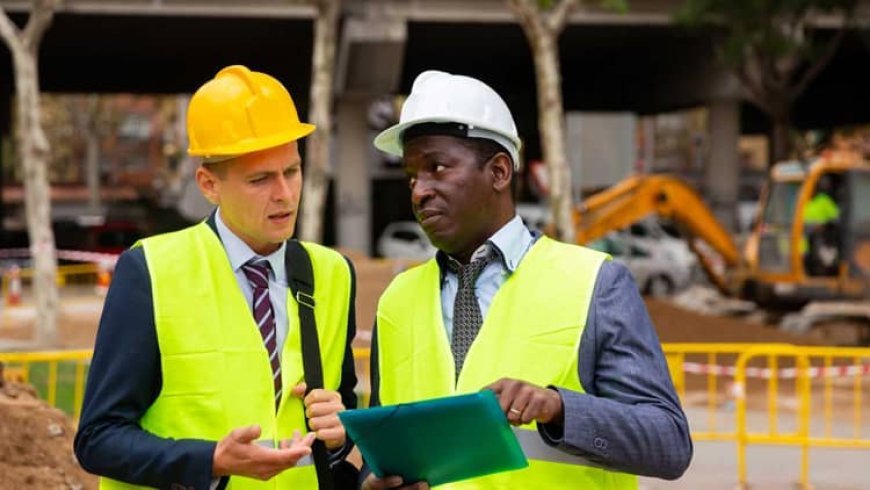
Construction sites depend on clear communication. From reading instructions and coordinating deliveries to discussing safety procedures, workers need to understand one another to keep projects moving. When English and Spanish speakers work together, language barriers can lead to confusion, delays, and avoidable safety risks. A construction Spanish course can help workers, supervisors, and contractors develop the vocabulary and communication skills they need to work more effectively in a multilingual environment.
Learning job-specific Spanish is different from studying a language for travel or everyday conversation. Construction professionals need to recognize equipment names, understand directions, describe measurements, and communicate urgent instructions under pressure. The most useful training focuses on these practical situations rather than memorizing long lists of unrelated words.
Whether you manage a residential remodeling crew, supervise commercial projects, or work as a skilled tradesperson, learning construction Spanish can strengthen teamwork and improve daily operations. The key is to approach language learning as a job skill that develops through structured lessons, repetition, and real-world practice.
Why Spanish Language Skills Matter in Construction
Spanish is widely spoken across the American construction workforce. On many jobsites, employees have different levels of English proficiency, making accurate communication an important part of project management.
Consider a framing crew preparing to install wall studs. A supervisor needs to explain spacing, identify the correct materials, and clarify which section should be completed first. If workers misunderstand even one instruction, the result could be wasted materials, rework, or an inspection failure.
Safety creates an even stronger reason to improve communication. Workers must understand warnings about falling objects, moving machinery, electrical hazards, and restricted areas. Knowing how to communicate these instructions in a language workers understand can help reduce misunderstandings.
Construction Spanish also supports professional development. Workers who communicate more confidently may find it easier to take on additional responsibilities, coordinate with other trades, or move into supervisory roles. For employers, stronger communication can improve coordination between crews and make daily planning more efficient.
Language training does not replace qualified interpreters, required safety instruction, or established workplace procedures. Instead, it gives employees another practical tool for understanding and communicating routine jobsite information.
How to Choose the Right Construction Spanish Course
Not every Spanish program meets the needs of construction professionals. A general language course may spend considerable time on restaurants, travel, or social conversations while overlooking the terminology used in building and remodeling.
Before choosing a program, evaluate its content, teaching approach, and suitability for your work environment.
1. Look for Industry-Specific Vocabulary
A useful course should cover terms related to tools, materials, equipment, measurements, and common construction activities.
Examples include:
-
Martillo — hammer
-
Taladro — drill
-
Escalera — ladder
-
Casco — hard hat
-
Guantes — gloves
-
Cinta métrica — measuring tape
-
Madera — wood or lumber
-
Concreto — concrete
-
Ladrillo — brick
-
Andamio — scaffold
These words become more useful when learners practice them in complete sentences. For example, Trae el taladro means “Bring the drill.” Similarly, Necesitamos más madera means “We need more lumber.”
A course should also explain how pronunciation and regional vocabulary may vary. Some construction terms differ between Spanish-speaking countries, so learners should focus on expressions commonly understood by the people they work with.
2. Prioritize Listening and Speaking
Knowing a word on paper does not guarantee that someone will recognize it during a busy workday. Construction environments often involve background noise, machinery, and quick exchanges.
Choose training that includes recorded conversations, spoken instructions, pronunciation exercises, and opportunities to respond aloud. Learners should practice understanding questions as well as giving instructions.
For example, a worker might hear ¿Dónde están las herramientas?, meaning “Where are the tools?” The goal is to recognize the question quickly and provide a clear response without mentally translating every word.
3. Check Whether Lessons Reflect Real Jobsite Situations
The strongest programs use scenarios that construction workers encounter regularly. These may include reporting damaged materials, asking for clarification, explaining measurements, identifying hazards, or coordinating deliveries.
Short, practical lessons are particularly useful for busy crews. A ten-minute exercise focused on concrete placement or ladder safety may be easier to apply immediately than a lengthy lesson covering general grammar.
A Step-by-Step Strategy for Learning Construction Spanish
Enrolling in a course is only the beginning. Consistent practice and a clear learning sequence help turn new vocabulary into useful communication skills.
Step 1: Assess Your Current Skills
Start by identifying what you can already understand and where communication breaks down. Beginners may need to learn basic greetings, numbers, directions, and common tools. More experienced learners might focus on giving instructions, explaining problems, or discussing project schedules.
Write down five situations in which language difficulties occur most often. These situations will help you prioritize your learning.
Step 2: Build a Core Vocabulary List
Begin with approximately 20 to 30 words directly related to your trade. An electrician might prioritize wires, outlets, breakers, and voltage-related terminology. A carpenter might focus on lumber, studs, nails, measurements, and cutting instructions.
Review a small group of words each day rather than attempting to memorize an entire dictionary. Flashcards can help, especially when each card includes the Spanish word, its English meaning, and a sample sentence.
Step 3: Learn Complete Instructions
Move from individual words to short phrases used on the jobsite.
For example:
-
Mide la pared. — Measure the wall.
-
Cierra la puerta. — Close the door.
-
Revisa el nivel. — Check the level.
-
Espera un momento. — Wait a moment.
-
Ten cuidado. — Be careful.
Practice both understanding and producing these expressions. Also learn polite ways to ask questions, such as ¿Puede repetirlo, por favor? (“Could you repeat that, please?”).
Step 4: Practice Through Realistic Scenarios
Choose one situation each week and rehearse it. A delivery scenario might involve asking where materials should be unloaded, confirming quantities, and reporting missing items.
For example, a learner could practice saying Faltan cinco bolsas de cemento, meaning “Five bags of cement are missing.”
Role-playing with a bilingual coworker can make the exercise more realistic. If no practice partner is available, use course recordings and repeat the dialogue aloud.
Step 5: Review and Apply What You Learn
Set aside 10 to 15 minutes daily for vocabulary review, listening practice, and speaking exercises. At the end of each week, revisit earlier lessons and test your ability to understand phrases without looking at the translation.
Keep a notebook of unfamiliar expressions heard during routine work. Confirm their meanings with a reliable bilingual colleague or instructor, then add the most useful ones to your practice list.
Common Challenges When Learning Construction Spanish
One frequent mistake is trying to learn too many words before practicing conversations. Vocabulary matters, but workers also need to understand sentence structure, questions, and commands. Learning five useful phrases thoroughly can be more effective than memorizing 30 words that never appear in conversation.
Another challenge is relying entirely on written translations. Construction professionals need to recognize spoken Spanish, particularly when instructions are delivered quickly. Listening exercises and repeated pronunciation practice help bridge this gap.
Regional differences can also create confusion. A term familiar to a worker from Mexico may differ from one commonly used in another Spanish-speaking country. Rather than assuming one expression is universally preferred, confirm the terminology used by your crew.
Finally, avoid treating basic language knowledge as proof that a safety-critical instruction has been understood. For dangerous tasks, use approved safety procedures, demonstrations, appropriate translation support, and a clear confirmation process. Workers should be encouraged to ask questions whenever an instruction is unclear.
Practical Tips for Employers and Construction Supervisors
Employers can make language learning part of normal jobsite routines without disrupting productivity.
Start with a brief daily vocabulary exercise during an existing safety meeting. Introduce a few relevant terms, demonstrate their meaning, and ask team members to use them in example sentences. Rotate topics to cover tools, materials, equipment, measurements, and hazards.
Pairing bilingual employees for informal practice can also help, provided it does not place an unreasonable translation burden on workers or replace necessary professional interpretation.
Use visual demonstrations alongside spoken instructions. Showing the correct tool, pointing to the relevant work area, and confirming the expected result can reinforce understanding across language differences.
Supervisors should also create an environment where asking for clarification is normal. A worker who says they do not understand an instruction is helping prevent mistakes, not slowing the team down.
Measure progress through practical tasks rather than vocabulary tests alone. Can employees identify common tools, understand routine requests, ask for clarification, and communicate a basic problem? These abilities offer a more meaningful indication of improvement.
Conclusion
Learning construction Spanish is a practical investment in communication, teamwork, and professional development. The most effective approach combines industry-specific vocabulary, listening and speaking exercises, realistic jobsite scenarios, and consistent review.
Choose training that reflects your trade and current skill level, then apply each lesson to everyday work. For employers, supporting language development alongside established safety procedures can help create a more coordinated and inclusive workforce. Over time, small improvements in communication can make daily collaboration more effective and help construction teams complete their work with greater confidence.
What's Your Reaction?
 Like
0
 Dislike
0
 Love
0
 Funny
0
 Angry
0
 Sad
0
 Wow
0