




























30 Yard Dumpster Rental: A Practical Guide to Sizing, Loading, and Project Planning

Large cleanup projects can generate more waste than homeowners or contractors initially expect. A kitchen renovation, roof replacement, estate cleanout, or commercial remodeling job may produce bulky debris that quickly overwhelms standard trash containers. Choosing the right dumpster helps keep the worksite organized, reduces disposal trips, and makes waste management easier to coordinate.
A 30 yard dumpster rental can be a practical solution for projects that generate substantial amounts of construction debris, household junk, or renovation waste. However, the container's capacity, weight restrictions, available placement space, and accepted materials all influence whether it is the right choice. Understanding these details before delivery can prevent unnecessary expenses and scheduling problems.
Whether you're a homeowner preparing for a major renovation or a contractor managing multiple jobs, a little planning goes a long way. The following guide explains how a 30-yard dumpster works, how to estimate your needs, and how to load it efficiently without overlooking important disposal requirements.
What Is a 30 Yard Dumpster?
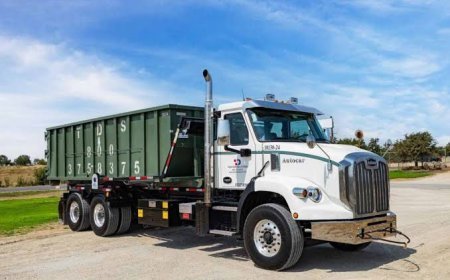
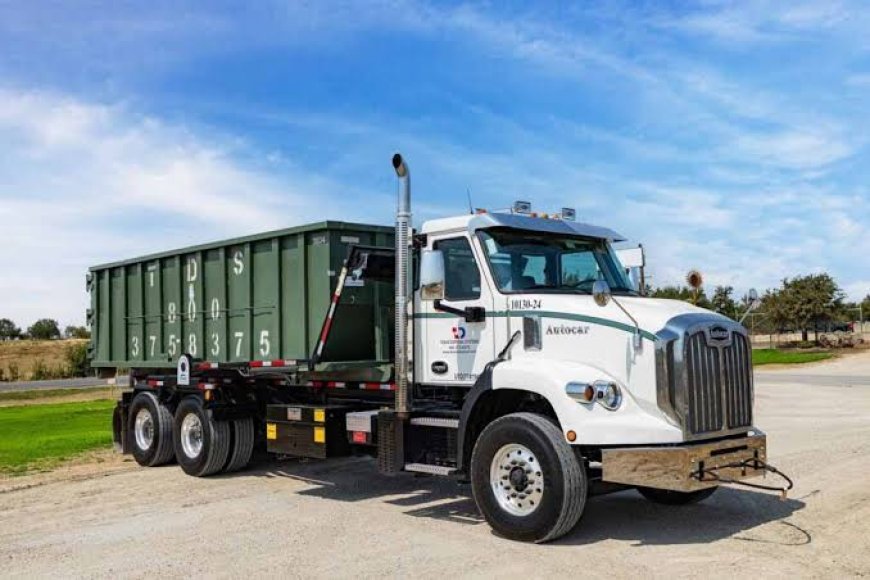
A 30-yard dumpster is a large roll-off container commonly used for residential construction, commercial renovations, demolition projects, and substantial property cleanouts. Its name refers to volume rather than weight. One cubic yard equals 27 cubic feet, so a 30-yard container holds approximately 810 cubic feet of material.
Many containers in this category measure roughly 22 feet long, 8 feet wide, and 6 feet high, although exact dimensions vary by provider. This footprint provides considerable room for bulky materials while remaining suitable for many residential and commercial worksites.
To understand the capacity, imagine filling the container with boxes measuring one cubic foot each. In theory, approximately 810 such boxes could fit inside, although real-world loading is less efficient because debris has irregular shapes and leaves unused spaces.
A 30-yard dumpster is generally appropriate for projects such as:
-
Whole-room or multi-room home renovations.
-
Roofing projects involving substantial quantities of shingles.
-
Estate cleanouts and the removal of accumulated household belongings.
-
Office renovations and commercial property improvements.
-
Deck removal, flooring replacement, and certain demolition jobs.
The container's actual suitability depends on the materials involved. Thirty cubic yards of lightweight furniture is very different from thirty cubic yards of concrete, which can exceed typical container weight limits long before the dumpster is full.
How to Determine Whether You Need a 30 Yard Dumpster
Selecting a dumpster starts with estimating the volume and type of waste your project will produce. Renting a container that is too small may require another delivery, while choosing one that is unnecessarily large can increase your total disposal costs.
Step 1: Estimate the Amount of Debris
Start by identifying the materials you plan to discard. Separate the waste into categories such as drywall, lumber, flooring, packaging, furniture, roofing shingles, and general household junk.
For example, a homeowner remodeling three bedrooms might remove old carpet, damaged drywall, baseboards, furniture, and packaging from new materials. Although these items may appear manageable individually, their combined volume can grow quickly.
Contractors can improve estimates by reviewing previous projects with similar dimensions and materials. If a previous renovation filled a 20-yard container nearly to capacity, a larger project involving additional rooms may justify considering a 30-yard option.
Step 2: Consider Material Weight
Volume is only half the equation. Most dumpster rentals include a maximum allowable weight or tonnage, and exceeding that allowance may result in additional charges.
Lightweight materials such as cardboard, insulation, and furniture typically occupy considerable space without adding excessive weight. By contrast, wet roofing shingles, plaster, masonry, soil, and concrete can become heavy very quickly.
A useful example is a driveway renovation. Even if the removed concrete occupies only part of a 30-yard container, its weight could exceed the rental's permitted limit. Heavy materials often require smaller, dedicated containers or special disposal arrangements.
Before ordering, ask the provider about the included tonnage, overage rates, and restrictions for dense materials.
Step 3: Measure the Delivery Area
A large dumpster needs sufficient space for the container itself and the delivery truck's maneuvering and unloading process. Measure the intended placement area and confirm the truck's clearance requirements with the rental company.
Check for overhead branches, utility wires, narrow entrances, parked vehicles, and soft ground. A fully loaded container can exert substantial pressure on the surface beneath it, particularly when placed on asphalt or a residential driveway.
If the dumpster must sit on a public street, check local permit requirements before scheduling delivery.
Step-by-Step Guide to Renting and Using a 30 Yard Dumpster
A straightforward rental process helps prevent avoidable delays and makes cleanup more efficient.
Step 1: Define Your Project Timeline
Determine when demolition or cleanup will begin and how long waste generation is expected to continue. A one-day cleanout may need a shorter rental period than a renovation lasting several weeks.
Confirm the delivery date, pickup arrangements, rental duration, and extension fees before committing. If several contractors will use the container, coordinate their schedules to avoid filling it before the most debris-intensive work begins.
Step 2: Compare Rental Terms
Price comparisons should consider more than the advertised base rate. Ask whether delivery, pickup, disposal, a specified rental period, and a weight allowance are included.
Also clarify charges for exceeding the weight limit, keeping the container longer than agreed, or disposing of prohibited materials. A lower initial quote may not represent the lowest final cost if its allowances are restrictive.
Request a written estimate that clearly identifies the included services and possible additional charges.
Step 3: Prepare the Site
Clear the delivery area before the truck arrives. Move vehicles, secure gates, and protect vulnerable driveway surfaces with suitable boards or other approved protective materials if recommended by the provider.
Inform the rental company about narrow access points, sloped driveways, or unusual placement conditions. If the container will be located on a construction site, ensure it does not block emergency access, pedestrian routes, or essential equipment.
Step 4: Load Debris Strategically
Place heavier items toward the bottom, distribute weight evenly, and break down bulky objects when practical. Flatten cardboard, dismantle furniture where safe, and cut long lumber into manageable pieces.
Keep the load below the container's marked fill line. Debris extending above the rim can create road hazards and may prevent legal transportation.
Step 5: Schedule Pickup
Arrange collection once the project is complete or the dumpster approaches capacity. Check that the load is level, prohibited items have been removed, and access is clear.
If you finish early, ask whether an earlier pickup is available. For longer projects, arrange a swap-out if your provider offers container replacement and another load is necessary.
Common Mistakes to Avoid
Even a properly sized dumpster can become expensive or inconvenient when rental rules are overlooked.
Ignoring weight limits: Filling a container with dense construction materials can create an overweight load. Estimate weight separately from volume and confirm the provider's restrictions.
Mixing prohibited materials with general debris: Paint, solvents, batteries, tires, chemicals, and certain appliances may require specialized disposal. Rules vary by location and facility, so confirm acceptance requirements before loading.
Overfilling the container: Waste must generally remain within the designated fill line. Compacting debris aggressively or stacking items above the rim can create safety problems and delay pickup.
Underestimating rental time: Unexpected demolition discoveries, contractor delays, and weather can extend cleanup schedules. Build reasonable flexibility into your plan and understand extension charges.
Forgetting access requirements: A container that fits physically may still be difficult to deliver if the truck cannot maneuver safely. Confirm placement dimensions and clearance requirements in advance.
Expert Tips for Keeping Dumpster Rental Costs Under Control
A few practical decisions can improve efficiency without compromising safety.
First, separate reusable and recyclable materials before throwing everything into the container. Clean metal, cardboard, and certain construction materials may qualify for recycling through local facilities. Confirm available options before assuming mixed debris can be recycled.
Second, organize demolition work so waste can be loaded as it is generated. Keeping debris in designated areas reduces repeated handling and helps maintain a safer worksite. Wear appropriate protective equipment and avoid entering the dumpster to rearrange materials.
Third, photograph the site before delivery and document the container's condition and placement afterward. This is particularly useful for contractors managing multiple properties or working with clients who want clear records of the cleanup process.
Finally, keep a running estimate of how quickly the container fills. If the dumpster is nearly full halfway through the project, reassess the remaining waste and discuss a replacement or alternative disposal arrangement before work stops.
Conclusion
A 30-yard dumpster can simplify substantial renovation, demolition, roofing, and property cleanup projects when its capacity matches the debris volume and weight. The most reliable approach is to estimate waste carefully, verify rental terms, prepare the delivery area, and load materials safely.
By planning for weight limits, prohibited items, pickup schedules, and site access before work begins, homeowners and contractors can avoid many common rental problems. The result is a more organized worksite, a smoother cleanup process, and better control over the overall project budget.
What's Your Reaction?
 Like
0
 Dislike
0
 Love
0
 Funny
0
 Angry
0
 Sad
0
 Wow
0