













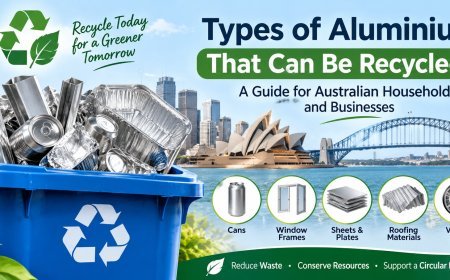











What Types of Aluminium Can Be Recycled? A Guide for Australian Households and Businesses
Discover the types of aluminium that can be recycled, including cans, window frames, roofing materials and industrial scrap, with practical recycling tips.

Aluminium is widely used in everyday packaging, construction, transport and manufacturing. From beverage cans and window frames to industrial offcuts, many aluminium products can be recovered and recycled instead of being sent to landfill.
However, not every aluminium item is handled in the same way. Its composition, condition, coatings and contamination can affect whether a recycling facility accepts it and how it must be processed.
Understanding the types of aluminium that can be recycled helps households, builders, tradespeople and businesses identify suitable materials and make informed decisions about recycling in Sydney and across Australia.
Quick Answer: What Types of Aluminium Can Be Recycled?
Common types of aluminium that can be recycled include:
-
Aluminium beverage cans and some food containers
-
Aluminium window and door frames
-
Aluminium sheets, plates and extrusions
-
Aluminium gutters, downpipes and suitable roofing products
-
Aluminium cookware and household items
-
Selected aluminium vehicle components
-
Aluminium manufacturing offcuts and industrial scrap
-
Aluminium ladders, rails and other suitable products
Acceptance depends on the material's composition, condition and the recycling facility's requirements. Painted, coated, contaminated or mixed-material products may need additional sorting or specialised processing.
1. Aluminium Cans and Food Containers
Aluminium beverage cans are among the most familiar recyclable aluminium products. Soft drink cans and other aluminium beverage containers can be collected, processed and used to manufacture new products.
Some aluminium food trays and containers may also be recyclable, depending on local collection rules and the facility's capabilities.
Before recycling these items, empty any remaining contents and follow the relevant preparation instructions. Household kerbside recycling services may have different acceptance rules from commercial scrap-metal recyclers.
For example, a household may be able to place eligible beverage cans in its council recycling bin, while larger quantities of aluminium packaging from a business may be better suited to a separate recycling arrangement.
2. Aluminium Window and Door Frames
Aluminium window frames and door frames are common sources of recyclable metal during renovations, commercial refurbishments and building projects.
These products are often manufactured from aluminium extrusions, which can be recovered and processed for reuse in new products.
Before sending frames for recycling, check whether glass, rubber seals, plastic fittings, screws and other attached materials need to be removed. Requirements vary between facilities.
Builders, renovators and demolition contractors can make waste management easier by separating aluminium frames from general construction waste. Keeping these materials separate can also help the recycling facility identify and sort the metal more efficiently.
3. Aluminium Sheets, Plates and Extrusions
Aluminium sheets, plates, bars, channels and extruded profiles are widely used in construction, engineering and metal fabrication.
Common examples include:
-
Aluminium sheet offcuts from fabrication work
-
Aluminium plates used in industrial applications
-
Aluminium channels, angles and profiles
-
Aluminium bars and structural components
-
Surplus aluminium sections from building projects
These materials can often be recycled when their composition is suitable and the receiving facility accepts them.
Where practical, keep aluminium separate from steel, copper, brass and other metals. Identifying the material grade can also be helpful because different aluminium alloys may require different processing methods.
For manufacturers and metal fabricators, collecting aluminium offcuts separately can help streamline scrap handling and improve material recovery.
4. Aluminium Gutters, Downpipes and Roofing Materials
Aluminium gutters, downpipes and suitable roofing products can often be recycled when they are predominantly aluminium and accepted by the facility.
These materials commonly arise during roof replacements, building renovations and property maintenance.
Before recycling them, check for steel brackets, plastic fittings, insulation, sealants and other attached materials. Paint and protective coatings may also affect acceptance or processing requirements.
Take care when handling older building materials. If a product may contain hazardous substances, have it assessed by an appropriately qualified professional before cutting, grinding or disturbing it.
Separating suitable aluminium from general building waste can support more efficient recycling during construction and renovation projects.
5. Aluminium Cookware and Household Items
Some household products, including pots, pans, trays and other metal items, contain recyclable aluminium.
However, cookware may include non-stick coatings, steel components, plastic handles and other materials that need separate handling. Not every facility accepts all household aluminium products.
Before taking these items to a recycling facility, check whether it accepts the complete product or requires certain components to be removed.
For everyday aluminium packaging, such as eligible cans and containers, check your local council's kerbside recycling guidance. Council collection rules can differ from those of scrap-metal recycling facilities.
6. Aluminium Vehicle Components
Aluminium is used in various vehicle components because it is lightweight and offers useful strength and corrosion resistance.
Depending on the vehicle's design, recyclable aluminium components may include:
-
Selected engine components
-
Aluminium wheels
-
Certain body panels
-
Other aluminium parts and assemblies
Automotive scrap often contains mixed materials, including steel, rubber, plastic, electronic components and fluids. These items may require specialised dismantling and sorting before the aluminium can be recovered.
Vehicle dismantlers and automotive recycling businesses should follow appropriate safety procedures and confirm the receiving facility's requirements. Components containing hazardous fluids or safety-critical systems should not be dismantled without suitable training and equipment.
7. Aluminium Manufacturing and Industrial Scrap
Manufacturing and fabrication businesses can generate significant quantities of aluminium scrap during cutting, machining, shaping and production.
Examples include:
-
Aluminium extrusion offcuts
-
Sheet metal remnants
-
Rejected aluminium components
-
Surplus aluminium profiles
-
Suitable machining scrap
-
Clean production offcuts
Industrial scrap can be a useful recycling resource, particularly when materials are collected consistently and their grades are known.
Businesses should keep different scrap types separate where practical and avoid mixing aluminium with other metals or unnecessary contaminants.
Machining swarf, oily residues and coolant-contaminated materials may have specific acceptance requirements. Check with the recycling facility before combining them with clean aluminium scrap.
For Sydney manufacturers, fabricators and construction businesses, an organised recycling process can help manage metal waste and recover materials that might otherwise be discarded.
8. Aluminium Ladders, Rails and Other Products
Aluminium ladders, rails, poles, frames and similar products may also be suitable for recycling.
The important consideration is whether the item contains aluminium that the facility can process and whether its other components can be separated or accepted.
For example, an aluminium ladder may contain plastic feet, steel hinges and rubber components. These attachments may need to be removed, depending on the recycler's requirements.
If an item is damaged or unsafe to dismantle, ask the facility whether it accepts the complete product rather than attempting to separate it yourself.
Which Types of Aluminium Are Easiest to Recycle?
The ease of recycling depends on factors such as material grade, contamination, coatings, attached components and the facility's processing capabilities.
|
Aluminium material |
What to consider |
|
Beverage cans |
Empty containers and follow local collection requirements |
|
Aluminium sheets and plates |
Keep separate from other metals where practical |
|
Window and door frames |
Glass, seals and fittings may need separation |
|
Painted aluminium |
Check whether coatings affect acceptance |
|
Automotive components |
Mixed materials may require specialised handling |
|
Manufacturing offcuts |
Identify grades and keep different scrap types organised |
|
Roofing materials |
Check coatings, attachments and possible contamination |
Clean, identifiable aluminium scrap is generally easier to sort and process than mixed or contaminated materials. However, the final decision depends on the facility's specifications and equipment.
Can Painted or Coated Aluminium Be Recycled?
Yes, painted or coated aluminium can sometimes be recycled, but acceptance depends on the type of coating, the product's composition and the facility's processing capabilities.
For example, painted window frames may be accepted by one recycler but subject to different requirements at another facility. Aluminium products bonded to plastic or insulation may also need specialised processing.
When contacting a recycling facility, describe the material accurately and ask whether it needs to be separated, cleaned or delivered under particular conditions.
Do not remove coatings using chemicals or other potentially hazardous methods unless you have appropriate expertise and equipment.
How to Prepare Aluminium Scrap for Recycling
A few practical steps can help make aluminium scrap easier to assess and handle.
1. Identify the material. Check whether the item is aluminium or another metal. If you are unsure, ask the recycling facility for advice.
2. Separate different metals. Keep aluminium separate from steel, copper, brass and mixed-metal waste where practical.
3. Remove unnecessary contamination. Empty containers and remove loose, non-metallic attachments where safe and appropriate.
4. Keep different scrap types organised. If you have several grades or sources of aluminium, store them separately where possible.
5. Check acceptance requirements. Confirm accepted materials, minimum quantities, preparation requirements and available collection or drop-off arrangements before transporting scrap.
These steps can help households, contractors and businesses avoid unnecessary handling and make the recycling process more straightforward.
Why Is Aluminium Recycling Important?
Aluminium recycling helps recover a useful material for manufacturing new products and can reduce the demand for primary aluminium production.
According to the Australian Aluminium Council, producing recycled aluminium uses around 5% of the energy required to produce primary aluminium. Actual outcomes depend on the materials and processes involved, but the energy difference demonstrates why recovering suitable aluminium scrap is important.
The main benefits include:
-
Resource conservation: Recycling aluminium reduces the need for additional primary metal production.
-
Energy savings: Secondary aluminium production generally requires substantially less energy than primary production.
-
Waste reduction: Recovering suitable scrap can divert recyclable materials from disposal.
-
Material recovery: Aluminium from construction, manufacturing and household products can return to productive use.
-
Support for a circular economy: Recovered aluminium can become raw material for new products.
These benefits depend on effective collection, sorting, transport and processing. Keeping recyclable materials separate and following appropriate recycling requirements can help improve recovery.
Where Can You Recycle Aluminium in Sydney?
The right recycling option depends on the type and quantity of aluminium you have.
Households can check their local council's recycling guidance for eligible cans and packaging. Larger or specialised items, such as window frames, roofing materials and industrial offcuts, may require a scrap-metal recycling facility that accepts those materials.
Builders, manufacturers, tradespeople and commercial operators may need to consider:
-
The types and grades of aluminium accepted
-
Whether painted, coated or mixed materials are accepted
-
Any minimum quantity requirements
-
Available collection or drop-off arrangements
-
Preparation requirements before delivery
If you are looking for Aluminium Recycling Sydney services, confirm that the provider accepts your particular material and quantity before arranging transport or collection.
For businesses managing aluminium offcuts, old window frames or other metal waste, reviewing suitable aluminium recycling services in Sydney can help identify an appropriate option for recovering these materials.
Frequently Asked Questions
What types of aluminium can be recycled?
Common recyclable aluminium items include beverage cans, some food containers, window and door frames, sheets, plates, extrusions, gutters, suitable roofing materials, selected vehicle components and manufacturing offcuts. Acceptance depends on the item's composition and the facility's requirements.
Can aluminium window frames be recycled?
Yes, aluminium window frames are commonly recyclable. Glass, rubber seals and other fittings may need to be removed or separated, depending on the recycling facility's requirements.
Does aluminium need to be clean before recycling?
Aluminium should generally be free from unnecessary contamination where possible. However, preparation requirements vary. Contact the facility before delivering oily, heavily soiled or coated materials.
Can businesses recycle aluminium manufacturing offcuts?
Many recycling facilities accept suitable aluminium offcuts, sheet remnants and extrusion profiles. Businesses should confirm accepted grades, contamination limits, minimum quantities and collection arrangements.
Is recycling aluminium better than throwing it away?
Recycling suitable aluminium recovers a useful material and generally uses substantially less energy than producing primary aluminium. The overall environmental benefit depends on effective collection, sorting, transport and processing.
Where can I recycle aluminium scrap in Sydney?
For household cans and packaging, check your local council's recycling guidance. For larger items or industrial scrap, contact a suitable scrap-metal recycling facility and confirm that it accepts your particular material.
Conclusion
Aluminium recycling covers a wide range of materials, from beverage cans and household products to window frames, roofing materials, vehicle components and industrial offcuts.
Identifying the material, separating it where practical and checking the recycling facility's requirements can help make the process more efficient. Different grades and product types may require different handling, so it is worth confirming acceptance requirements before transporting scrap.
For households and businesses in Sydney, understanding the types of aluminium that can be recycled is a practical first step towards responsible scrap management and better material recovery.
What's Your Reaction?
 Like
0
 Dislike
0
 Love
0
 Funny
0
 Angry
0
 Sad
0
 Wow
0