
























How Can Window Graphics in Kansas City Balance Business Promotion, Privacy, and Interior Design
Discover how window graphics in Kansas City help businesses promote their brand, improve privacy, and enhance commercial interiors with stylish designs.
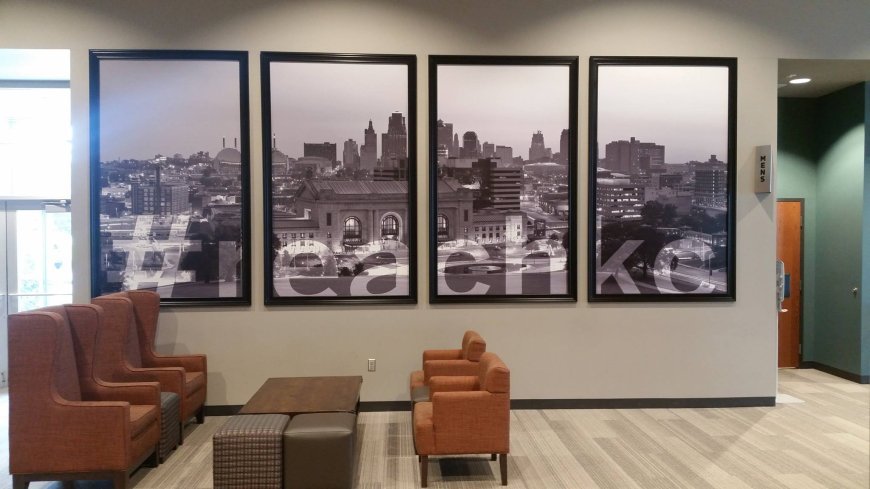
Businesses use their windows for more than letting natural light into a space. Glass surfaces can communicate brand messages, create privacy, improve interior aesthetics, and help customers understand what a business offers. From retail storefronts and office buildings to restaurants and healthcare facilities, well-designed window graphics can serve several purposes without making a space feel crowded or closed off.
For businesses in Kansas City, Missouri, balancing these functions is especially important in busy commercial districts, shopping centers, office parks, and customer-facing locations. A carefully planned window design can attract attention from pedestrians, support a comfortable working environment, and complement the interior decor. The key is choosing the right materials, graphics, placement, and level of transparency for each space.
Why Window Graphics Matter for Kansas City Businesses
Commercial windows offer valuable opportunities to communicate with customers and improve the appearance of a property. Instead of leaving glass surfaces empty, businesses can use them to display branding, promote services, and create visually appealing environments.
Window Graphics in Kansas City can help local businesses make a stronger impression while serving practical purposes. Retail stores can highlight seasonal promotions, restaurants can showcase their offerings, and professional offices can use decorative films to create more private meeting areas.
Businesses in Overland Park, Lenexa, Independence, and nearby communities can also benefit from window graphics that reflect their brand identity while addressing the needs of their particular commercial spaces.
Improving Visibility and Brand Recognition
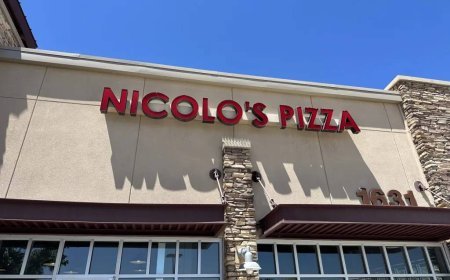
Storefront windows provide an opportunity to introduce a business before customers enter the building. Company logos, brand colors, service information, and promotional messages can make a location easier to recognize.
For example, a retail store may use bold lettering to advertise a new collection, while a professional office may display its logo and business hours in a clean, understated layout. Consistent typography and colors help customers connect the physical location with the company's broader brand identity.
However, effective branding does not require covering every available inch of glass. Leaving enough open space helps maintain visibility into the business and keeps the storefront from appearing cluttered.
Creating a Professional Commercial Environment
Window graphics can also improve the appearance of interior spaces. Frosted patterns, geometric designs, subtle gradients, and branded elements can transform plain glass partitions into attractive architectural features.
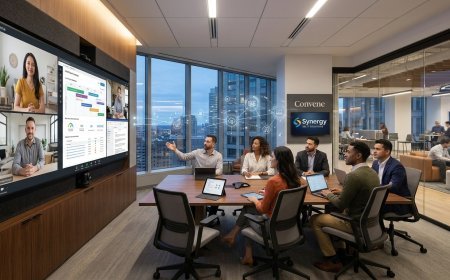
This approach works well in corporate offices, conference rooms, reception areas, and collaborative workspaces. It allows businesses to maintain an open floor plan while establishing visual boundaries between different areas.
Balancing Business Promotion With Visual Appeal
Promotional graphics are most effective when they communicate a clear message without overwhelming the surrounding architecture. Businesses should consider their audience, location, and marketing objectives before deciding what to display.
Choose Promotional Messages Carefully
Every graphic should have a defined purpose. Depending on the business, that purpose might be announcing a special offer, identifying a service, displaying operating hours, or reinforcing brand recognition.
A storefront with multiple competing messages can make it difficult for customers to identify the most important information. Instead, businesses should prioritize one main message and use supporting details sparingly.
For example, a restaurant might feature a seasonal menu promotion on one section of its windows while reserving another section for its logo and opening hours. An office building could use a simple brand mark near the entrance rather than covering its entire glass frontage with advertising.
Clear messaging makes graphics easier to understand from both the sidewalk and inside the building.
Match Graphics to the Brand Identity
Window designs should complement existing signage, interior finishes, furniture, and marketing materials. Consistency in color, typography, and visual style creates a more cohesive experience for customers and employees.
A modern technology company might prefer minimalist graphics and clean lines, while a boutique retailer could choose colorful illustrations and expressive typography. A medical office may benefit from a calm, understated design that communicates professionalism and comfort.
Working with an experienced Sign Company in Kansas City can help businesses select graphic styles that support their branding goals without compromising the overall appearance of the space.
Using Window Graphics to Improve Privacy
Privacy is an important consideration for businesses that operate in glass-fronted buildings. Offices, medical practices, financial institutions, and consultation spaces often need to limit visibility without creating a closed or unwelcoming atmosphere.
Window graphics provide several ways to address this challenge while preserving the benefits of glass partitions.
Frosted Films for Offices and Meeting Rooms
Frosted window films create a translucent appearance that obscures direct views while allowing some natural light to pass through. They are particularly useful for conference rooms, reception desks, internal office partitions, and private consultation areas.
Businesses can choose full-height frosting for greater visual separation or partial frosting to cover only the most sensitive viewing areas. Decorative stripes, geometric patterns, and custom-cut logos can make the treatment more distinctive.
For instance, a law firm could apply frosted film to conference room partitions to improve discretion while maintaining an open office layout. A healthcare provider could use carefully positioned privacy graphics in appropriate areas while considering applicable privacy and accessibility requirements.
Decorative Films for Different Levels of Privacy
Not every space requires the same degree of visual separation. Some businesses need privacy only at eye level, while others want to define an entire room or treatment area.
Decorative films can be customized to suit these different requirements. Gradient patterns can provide partial screening, while patterned films create visual interest without completely closing off a space.
Businesses should remember that ordinary frosted films generally provide visual privacy rather than complete confidentiality. They may not prevent silhouettes or detailed visibility under every lighting condition. Sensitive spaces may require additional window treatments, suitable glazing, or other privacy measures.
Consider One-Way Vision and Lighting Conditions
Perforated window films are another option for storefronts and selected exterior windows. These films can display graphics on one side while allowing some visibility through the glass from the other side under suitable conditions.
However, one-way vision depends on the relative brightness of the interior and exterior. When indoor lighting is brighter than outdoor conditions, visibility through the film can change, particularly at night. Businesses should not rely on this material as a guaranteed privacy solution.
Choosing the right product requires considering the building's orientation, lighting, intended use, and privacy expectations.
Integrating Window Graphics With Interior Design
A successful window treatment should feel like part of the building's design rather than an unrelated advertising element. The best results come from coordinating graphics with the existing interior environment.
Coordinate Colors, Patterns, and Materials
Businesses should evaluate their wall colors, flooring, furniture, lighting, and architectural finishes before selecting a window design. Graphics that complement these elements can improve the visual consistency of a space.
For example, a contemporary office with neutral walls and glass partitions may benefit from subtle frosted bands and a small company logo. A creative studio might choose colorful patterns that reflect its personality without making work areas feel visually busy.
Material selection also matters. Matte films may offer a refined appearance, while translucent or patterned finishes can introduce texture and depth. The chosen material should support both the desired aesthetic and the practical needs of the space.
Preserve Natural Light and Openness
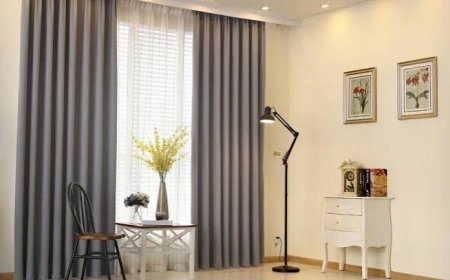
Natural light can make commercial interiors feel more welcoming and comfortable. Excessively dense graphics may reduce the amount of daylight entering a space or make smaller rooms feel enclosed.
To maintain openness, businesses can use strategically placed graphics, transparent sections, and partial frosting. Applying designs to selected portions of glass allows companies to introduce branding and privacy while preserving a connection between adjoining areas.
This is especially valuable in Kansas City office buildings, retail spaces, and mixed-use commercial properties where natural light contributes to the overall customer and employee experience.
Design Graphics for Different Viewing Distances
Window graphics are often viewed from multiple distances. Pedestrians may read storefront messages from the sidewalk, customers may see logos as they approach an entrance, and employees may view interior graphics from across a room.
Large, simple messages generally work better for exterior viewing, while smaller decorative details can enhance interior spaces. Businesses should also consider glare, reflections, and the height at which graphics will be installed.
A well-planned design accounts for these viewing conditions before production begins.
Selecting Durable Materials and Professional Installation
Even an attractive design may underperform if the material is unsuitable for the glass surface or the installation is poorly executed. Businesses should evaluate durability, maintenance requirements, and compatibility with their windows before making a decision.
Select Materials for the Intended Application
Different window films are designed for different environments. Some are intended primarily for decorative interior use, while others are manufactured for exterior exposure or promotional applications.
Businesses should consider sunlight exposure, moisture, temperature changes, cleaning routines, and the expected lifespan of the graphics. Exterior-facing installations may require materials specifically rated for outdoor conditions.
It is also important to check the glazing manufacturer's recommendations before applying film. Certain films can affect heat absorption and may not be suitable for every type of insulated or coated glass.
Prioritize Clean Installation and Easy Maintenance
Professional installation helps reduce bubbles, wrinkles, uneven edges, and alignment problems. Proper surface preparation is particularly important because dust and residue can affect the finished appearance.
Once installed, graphics should be cleaned according to the manufacturer's instructions. Abrasive materials and unsuitable cleaning products may damage the film or shorten its lifespan.
Businesses should also consider whether their designs will need seasonal updates or frequent promotional changes. Removable or replaceable graphics may be appropriate for locations that regularly change their marketing messages.
An experienced Sign Company in Kansas City can help assess material options, prepare artwork, and coordinate installation to suit the business's space and objectives.
How Kansas City Businesses Can Plan an Effective Window Graphics Project
A structured planning process can help businesses achieve the right balance between promotion, privacy, and design.
1. Identify the primary objective. Decide whether the main goal is advertising, privacy, decoration, branding, or a combination of these functions.
2. Evaluate the space. Examine window dimensions, natural light, customer traffic, interior layouts, and the amount of visibility required.
3. Choose suitable materials. Compare transparent, frosted, translucent, and perforated options based on the intended application.
4. Develop a cohesive design. Use consistent branding, readable messaging, and patterns that complement the surrounding architecture.
5. Review practical requirements. Consider glass compatibility, local regulations where applicable, maintenance, accessibility, and installation conditions.
6. Assess the finished result. After installation, review visibility, readability, privacy, and overall appearance under different lighting conditions.
Businesses throughout Kansas City and nearby commercial areas can use this process to make informed decisions and avoid unnecessary redesigns or replacements.
Why Work With Forerunner Signs & Graphics?
Planning commercial window graphics requires attention to both visual communication and everyday functionality. Businesses need designs that represent their brand, suit their environment, and address practical concerns such as privacy, visibility, and maintenance.
Forerunner Signs & Graphics can be considered by businesses exploring signage solutions for commercial environments. When evaluating a provider, companies should review its relevant project experience, material recommendations, installation capabilities, and approach to custom design.
A knowledgeable signage partner can help translate business goals into a practical design plan, whether the project involves storefront promotions, decorative office films, branded glass partitions, or privacy-focused treatments.
The goal is to create a solution that supports the business's identity while contributing to a comfortable and professional environment.
Conclusion
Window graphics can do much more than display advertising. With the right planning, they can strengthen brand recognition, improve privacy, and enhance interior design without sacrificing the benefits of natural light or open architecture.
For businesses in Kansas City, the most effective approach is to match the graphic style and material to the specific needs of the space. Clear messaging, coordinated design, suitable films, and professional installation all contribute to a better result.
Whether a company is updating a retail storefront, refreshing an office interior, or improving privacy in meeting rooms, thoughtful window design can turn ordinary glass into a useful business asset. By prioritizing both appearance and functionality, businesses can create commercial spaces that welcome customers, support employees, and communicate their brand with confidence.
Frequently Asked Questions
1. What types of businesses benefit from window graphics?
Retail stores, restaurants, corporate offices, medical practices, salons, educational facilities, and many other commercial organizations can benefit from window graphics. The design can be adapted to suit promotional, decorative, branding, or privacy requirements.
2. Can window graphics provide privacy without blocking natural light?
Yes. Frosted and translucent films can obscure direct views while allowing natural light to enter. The amount of privacy and light transmission depends on the selected material, pattern, and installation coverage.
3. Are window graphics suitable for Kansas City storefronts?
Yes. Businesses can use window graphics to display branding, promote services, communicate operating hours, and enhance storefront appearance. Material selection should account for sun exposure, weather conditions, and the specific requirements of the glass.
4. How should businesses choose the right window graphic design?
Businesses should begin by identifying their primary goals, evaluating their windows and interior layout, and selecting suitable materials. Designs should maintain readable messaging, complement existing decor, and provide the desired level of privacy.
5. How can businesses find a suitable window graphics provider in Kansas City?
Businesses should compare providers based on relevant experience, material quality, custom design capabilities, installation practices, and project examples. Discussing the intended use, privacy needs, and maintenance expectations can help determine whether a provider is a good fit.
What's Your Reaction?
 Like
0
 Dislike
0
 Love
0
 Funny
0
 Angry
0
 Sad
0
 Wow
0