






















Keep Building Sites Clear With Planned Construction Debris Removal Help
Construction Debris Removal helps keep building sites clear, manage leftover materials, and plan safer, more organized cleanup after construction work.

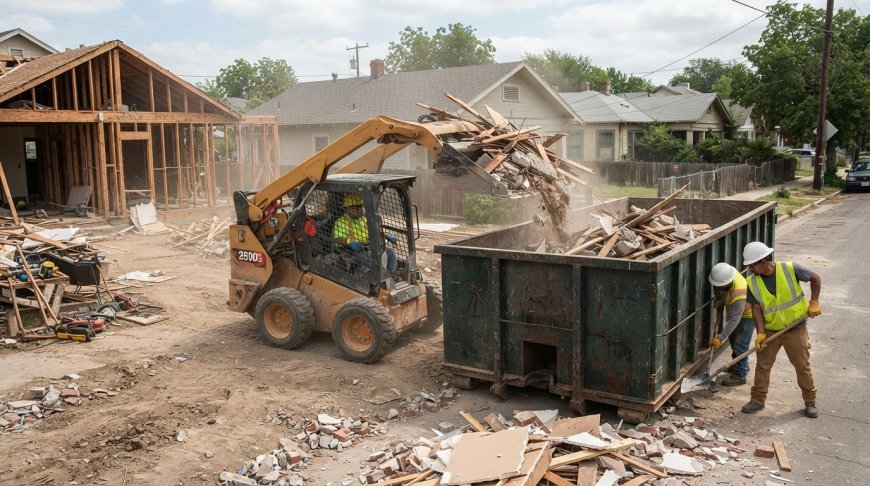
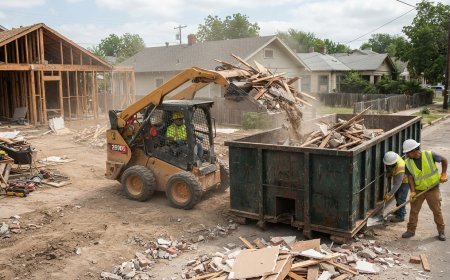
By arranging collection early, property owners and contractors can manage debris throughout the project instead of waiting until the final cleanup. Construction Debris Removal helps keep building sites clear by collecting, sorting, and removing waste created during construction, demolition, and renovation. A planned removal process gives workers more room to move materials, helps reduce trip hazards, and keeps waste from piling up..
Why Does Planned Construction Debris Removal Matter?
Construction projects produce waste at different stages. Demolition can leave broken drywall, wood, tile, and masonry. Installation work may create packaging, metal offcuts, and other unwanted materials. Without a clear removal plan, these items can collect around the worksite and restrict access.
Planned building waste removal gives contractors and property owners a way to manage debris as work progresses. It helps keep work areas organized and makes it easier to identify materials that need special handling. Regular cleanup also reduces the amount of loose waste left for the final project stage.
What Materials Can Construction Debris Removal Handle?
The materials accepted for removal depend on the collection provider, local disposal rules, and the type of waste. Common construction debris includes wood scraps, drywall, broken tiles, bricks, concrete, metal pieces, and empty packaging. Some materials may be suitable for recycling or reuse rather than general disposal.
Before arranging a collection, make a list of the waste your project will produce. Ask which materials can go into the same container and which must remain separate. Paint, solvents, asbestos-containing materials, and other potentially hazardous waste may require special procedures instead of ordinary debris collection.
How Should You Plan Construction Debris Removal?
A good removal plan starts with the project schedule, the expected waste, and the available space. Consider when demolition will finish, when new materials will arrive, and how workers will access collection containers. These details help you arrange construction rubbish collection without interfering with deliveries or ongoing work.
Use the following steps to prepare your site for debris removal.
-
Assess the waste: Identify the expected materials, their approximate volume, and any items needing special handling.
-
Separate materials: Keep reusable items, recyclable materials, and general waste apart where practical.
-
Choose collection arrangements: Confirm the container type, capacity, placement, and accepted materials with your provider.
-
Set a collection schedule: Arrange pickups based on the expected rate of waste accumulation and the space available.
-
Prepare access routes: Keep entrances, walkways, loading areas, and emergency access clear.
-
Review the site: Check for remaining debris, loose nails, sharp edges, and materials that need separate disposal.
When Should Debris Be Collected?
The best collection schedule depends on the project size, work stages, and container capacity. Smaller renovations may need removal after major demolition or during final cleanup. Larger projects may require more frequent collections as waste accumulates.
Do not wait until debris blocks a walkway or prevents material deliveries. OSHA construction housekeeping rules require debris to be cleared from work areas, passageways, and stairs. They also address regular removal of combustible scrap and waste.
Which Construction Waste Removal Method Is Right for Your Project?
The right option depends on the amount of debris, the type of material, site access, and the project timeline. Some projects benefit from a container placed on-site, while others need scheduled hauling or separate collections for specific materials. Confirm what each provider accepts before choosing a method.
The comparison below outlines common approaches to renovation debris hauling and their practical uses. Availability, accepted materials, and collection terms vary by provider and location.
|
Removal method |
Best suited for |
Main consideration |
|
On-site waste container |
Ongoing renovation and construction |
Requires suitable space and safe access |
|
Scheduled debris pickup |
Projects with predictable waste stages |
Pickup timing must match waste accumulation |
|
Separate material collection |
Concrete, metal, wood, or other sorted materials |
Materials may need separate handling |
|
Final project cleanup |
Remaining debris near project completion |
May not address waste produced earlier |
|
Specialist waste service |
Regulated or potentially hazardous materials |
Requires appropriate handling and disposal arrangements |
How Do You Choose the Right Container?
Estimate the amount and type of debris before selecting a container. Heavy materials, such as concrete and brick, may have different weight limits from lighter waste. Ask the provider about container dimensions, maximum loading weight, prohibited items, and placement requirements.
Check the available space for delivery and pickup vehicles. Avoid placing containers where they obstruct entrances, sidewalks, traffic, or emergency access. If a container will sit on public property, check whether local permission is required.
How Can You Sort and Dispose of Building Materials Properly?
Sorting waste at the source can make reuse, recycling, and disposal easier to manage. Wood, metal, concrete, brick, drywall, and other construction materials may have different recovery options. The US Environmental Protection Agency identifies these materials as common components of construction and demolition debris.
Good building material disposal starts with knowing what each item contains and where it can go. Keep clean, reusable materials separate from mixed debris when practical. Never assume that a standard construction container accepts chemicals, liquids, electronic waste, or materials that may contain asbestos or lead.
Common Materials and Their Handling Needs
|
Material |
Possible handling option |
What to check |
|
Untreated wood scraps |
Reuse, recycling, or approved disposal |
Contamination, nails, and local acceptance |
|
Concrete and brick |
Material recovery or approved disposal |
Weight limits and separate collection rules |
|
Metal offcuts |
Scrap-metal recycling where accepted |
Metal type and contamination |
|
Drywall |
Approved recycling or disposal |
Local facility requirements and contamination |
|
Cardboard and packaging |
Recycling where accepted |
Cleanliness and separation requirements |
|
Paint, solvents, and chemicals |
Appropriate hazardous-waste route when applicable |
Product contents and local regulations |
|
Suspected asbestos-containing materials |
Specialist assessment and regulated handling where required |
Applicable federal, state, and local rules |
Can Construction Materials Be Reused or Recycled?
Yes. Some construction materials can be reused or recycled if they are in suitable condition and an appropriate recovery route is available. Doors, fixtures, certain wood pieces, metals, and masonry may have reuse or recycling options. Check their condition before setting them aside.
The EPA recommends considering material reuse and recycling as part of construction and demolition waste management. However, the best route depends on material quality, contamination, processing requirements, and the facilities available locally.
How Can You Keep a Building Site Clear During Construction?
Keeping a site clear requires regular attention rather than a single cleanup at the end. Assign responsibility for waste collection, keep designated storage areas organized, and remove debris as work progresses. These habits help prevent waste from spreading into active work zones.
Effective job site cleanup should be part of the daily work routine. Keep paths clear of loose lumber, sharp offcuts, packaging, and other obstacles. Use suitable containers for waste, and store materials so they do not fall or obstruct access. OSHA provides specific construction housekeeping requirements for maintaining clear work areas and passageways.
What Should a Daily Cleanup Check Include?
Use a short checklist at the end of each work period:
-
Remove loose debris from walkways, stairs, and work areas.
-
Place scrap wood with protruding nails in a suitable collection area.
-
Keep flammable and potentially hazardous waste separate from ordinary debris.
-
Check that containers are not overloaded.
-
Keep access to exits and emergency equipment clear.
-
Secure lightweight materials that could be moved by wind.
-
Report unknown or potentially hazardous materials before handling them.
A designated cleanup lead can help workers understand who is responsible for each area. On larger sites, separate responsibilities by floor, work zone, or trade. Review the arrangements when demolition, framing, electrical work, or finishing activities change the type of waste being produced.
How Do You Arrange Construction Debris Collection for Worksites?
Before booking a collection, give the provider clear information about the project and its waste. Describe the materials, estimated quantity, site access, and preferred pickup schedule. Explain whether debris will be ready in one batch or produced throughout the job.
To arrange construction debris collection for worksites, confirm the service terms before the collection date. Ask about accepted materials, loading limits, access requirements, placement restrictions, and extra arrangements for unsuitable waste. Get confirmation of the pickup window and make sure the site is ready for the vehicle.
What Information Should You Provide?
Prepare these details before contacting a collection provider:
-
Project type: New construction, demolition, remodeling, or repair.
-
Waste materials: Wood, drywall, concrete, metal, packaging, or mixed debris.
-
Estimated volume: A rough quantity or the number and size of containers needed.
-
Collection location: The available placement area and access conditions.
-
Timing: The expected start date, collection frequency, and final cleanup date.
-
Special handling: Any suspected hazardous materials or waste requiring separate arrangements.
Do not mix unknown substances with general construction debris. If you discover suspected asbestos, chemical containers, or other potentially hazardous material, stop and seek appropriate guidance before moving it. Requirements depend on the material and the work being performed.
How Can You Manage Waste During Property Renovation Work?
Renovation work often produces waste in stages. Removing old cabinets may create wood, metal, and packaging waste, while bathroom updates can produce tile, fixtures, and masonry debris. Planning each stage helps you manage waste during property renovation work without filling available containers too early.
Estimate the waste from each major task before work starts. Allow space for materials that cannot be reused, and arrange collections around demolition and installation milestones. If the work reveals damaged or potentially hazardous materials, reassess the disposal plan before continuing.
What Should Homeowners Know Before Cleanup?
Homeowners should identify which materials can be handled through ordinary collection and which require specialist help. Wear suitable gloves, sturdy footwear, and eye protection when handling ordinary debris, and avoid lifting loads that are too heavy or awkward to control.
Do not cut, break, or disturb suspected asbestos-containing materials to make them easier to remove. Older buildings may contain materials that need testing or specialist assessment. Follow applicable local requirements and seek qualified assistance when the waste poses a health or safety risk.
What Safety Precautions Matter During Debris Removal?
Construction debris can contain sharp edges, protruding nails, heavy fragments, dust, and unstable materials. Workers should use appropriate protective equipment and safe handling methods. Keep collection areas separate from active work zones, and do not throw debris from elevated areas unless suitable controls prevent people from being struck.
OSHA's construction housekeeping standard addresses the removal of debris and the collection of waste at regular intervals. Follow the applicable workplace rules and site safety procedures. Use suitable lifting equipment for heavy loads, and seek trained assistance when materials cannot be handled safely by hand.
How Should You Handle Suspected Hazardous Waste?
Stop work in the affected area if you discover an unknown substance or material that may contain asbestos, lead, or harmful chemicals. Avoid breaking, sweeping, or moving it until you know how it should be handled. Contact a qualified professional or the relevant environmental authority for guidance.
Some demolition and renovation activities involving asbestos are subject to specific federal, state, and local requirements. The EPA explains that regulated asbestos waste must follow applicable handling and disposal rules. Ordinary construction debris containers should not be treated as a disposal route for hazardous materials.
How Can You Prepare a Building Site for Final Debris Removal?
Final cleanup should be planned before the last construction tasks are completed. Identify the remaining waste, confirm that collection arrangements cover those materials, and clear a safe route for workers and collection vehicles. This makes it easier to remove leftover waste after building work without disrupting final inspections or other scheduled tasks.
A final inspection should cover the interior work areas, exterior access routes, material storage zones, and temporary workspaces. Check for loose debris, unused packaging, broken materials, and items left behind by different trades. Confirm that all waste has reached an appropriate destination before closing out the cleanup.
Final Site Cleanup Checklist
Use this checklist before considering debris removal complete.
-
Collect remaining construction scraps and packaging.
-
Check corners, storage areas, and outdoor work zones.
-
Remove loose nails and other sharp debris safely.
-
Confirm that hazardous or restricted materials have been handled separately.
-
Check walkways, exits, and access routes for obstructions.
-
Verify that collection containers and equipment have been removed as arranged.
-
Keep any required disposal records and collection documentation.
If the project involves a large renovation, break the final inspection into separate zones. This makes it easier to identify missed areas and assign follow-up tasks. A documented checklist can also help contractors confirm that cleanup responsibilities have been completed.
Conclusion
Planned Construction Debris Removal helps keep building sites organized from the first demolition task through final cleanup. By identifying waste types, arranging suitable collection, and keeping access routes clear, property owners and contractors can manage debris as the project progresses. Regular removal also helps prevent waste from interfering with deliveries and ongoing work.
Start by assessing the expected debris, checking local disposal requirements, and choosing a collection plan that suits the site. Separate reusable materials from general waste and seek qualified guidance for hazardous items. A clear plan helps you clear rubble from home renovation projects and maintain a cleaner, more orderly worksite.
FAQ
1. What Is Construction Debris Removal?
Construction debris removal is the collection, hauling, and appropriate disposal or recovery of waste produced by building, demolition, and renovation work. Materials may include wood, drywall, concrete, brick, metal, and packaging. The accepted materials depend on the collection provider and local requirements.
2. When Should Construction Debris Be Removed?
Remove debris regularly throughout the project rather than waiting until the end. The collection schedule depends on how quickly waste accumulates, the available storage space, and the project's work stages. Keep walkways and work areas clear at all times.
3. Which Materials Can Be Collected From a Construction Site?
Common materials include wood scraps, drywall, concrete, brick, metal, tile, and packaging. Acceptance varies by provider, and some materials require separate collection. Ask about restrictions before placing debris in a container.
4. Can Construction Debris Be Recycled?
Yes, some construction debris can be recycled or reused when suitable facilities accept it. Metals, certain wood products, concrete, brick, and cardboard may have recovery options. Separate clean materials where practical and confirm local recycling requirements.
5. How Do You Prepare a Site for Debris Collection?
Identify the waste types, estimate the quantity, and choose a suitable collection arrangement. Keep the loading area accessible and remove obstructions from the vehicle's route. Confirm accepted materials, loading limits, and pickup timing before the scheduled collection.
6. Can Hazardous Materials Go Into a Construction Waste Container?
Potentially hazardous materials should not be placed in a standard construction waste container without confirming the applicable handling rules. Suspected asbestos, lead-containing materials, solvents, and chemicals may require special assessment or disposal. Seek qualified guidance and follow applicable regulations before moving them.
What's Your Reaction?
 Like
0
 Dislike
0
 Love
0
 Funny
0
 Angry
0
 Sad
0
 Wow
0