





















Cortisol and Gut Health: 5 Simple Daily Habits for Better Digestion
Stress doesn’t just affect your mood—it can also influence how your digestive system feels and functions. During stressful periods, some people experience bloating, changes in bowel habits, indigestion, or stomach discomfort. Manage-cortisol-and-gut-health-naturally The gut and brain communicate continuously, which is why managing daily stress can be an important part of supporting digestive wellness.

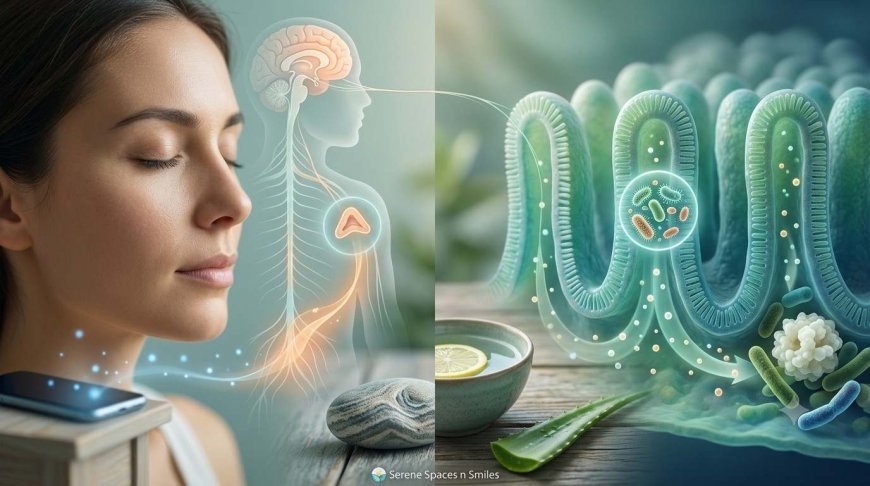
Stress doesn’t just affect your mood—it can also influence how your digestive system feels and functions. During stressful periods, some people experience bloating, changes in bowel habits, indigestion, or stomach discomfort. Manage-cortisol-and-gut-health-naturally The gut and brain communicate continuously, which is why managing daily stress can be an important part of supporting digestive wellness.
The good news is that you don’t need complicated routines to take better care of your gut. Small, consistent lifestyle habits can help create a calmer daily routine and support overall well-being.
Start Your Day With Hydration
Instead of immediately reaching for tea or coffee, begin your morning with a glass of water. Staying adequately hydrated supports normal digestion and helps you establish a healthier morning routine.
If you enjoy caffeine, consider having it with or after breakfast rather than relying on it as your first morning drink.
Slow Down Before Meals
Eating quickly while distracted or stressed can make meals less enjoyable and may contribute to digestive discomfort. Before eating, take a few slow, deep breaths and give yourself a moment to relax.
Try putting your phone away, sitting comfortably, and eating at a slower pace. This simple habit can help make mealtimes more mindful.
Include Fiber-Rich Foods
Your gut microbiome benefits from a varied diet containing fiber-rich foods. Include options such as oats, fruits, vegetables, lentils, beans, whole grains, chia seeds, and flaxseeds according to your dietary needs.
If your current diet is low in fiber, increase it gradually and drink enough fluids. A sudden increase can sometimes cause temporary gas or bloating.
Take a Short Walk After Meals
A gentle walk after lunch or dinner can be an easy way to add movement to your routine. Rather than immediately sitting for a long period after eating, try walking comfortably for around 10–15 minutes.
Regular physical activity also supports overall health, energy levels, and stress management.
Create a Calmer Evening Routine
Good-quality sleep and relaxation are important parts of managing everyday stress. Create a simple wind-down routine by reducing screen time before bed, keeping your bedroom comfortable, and choosing relaxing activities such as reading, gentle stretching, or quiet music.
Maintaining a consistent sleep schedule can also help your body follow a healthier daily rhythm.
Listen to Your Body
Everyone’s digestive system responds differently to foods, stress, sleep, and lifestyle changes. Instead of following extreme detoxes or restrictive diets, focus on sustainable habits that fit your routine.
If you experience persistent or severe bloating, abdominal pain, unexplained weight loss, blood in the stool, or significant changes in bowel habits, speak with a qualified healthcare professional. Ongoing digestive symptoms may have causes that require proper evaluation.
Final Thoughts
Supporting gut health is not about finding one magical food or eliminating every source of stress. It is about creating healthy habits that your body can maintain over time.
Start small: drink enough water, eat mindfully, include a variety of fiber-rich foods, move after meals, and give yourself enough time to relax and sleep. These everyday choices can help you build a calmer routine and support better digestive wellness.
What's Your Reaction?
 Like
0
 Dislike
0
 Love
0
 Funny
0
 Angry
0
 Sad
0
 Wow
0