



















What Movers Wish You Knew About Pool Table Moving Day
Planning Pool Table moving in Boise ID? Learn why slate tables are tricky, how pros disassemble and level them, and what to ask before you hire a mover.

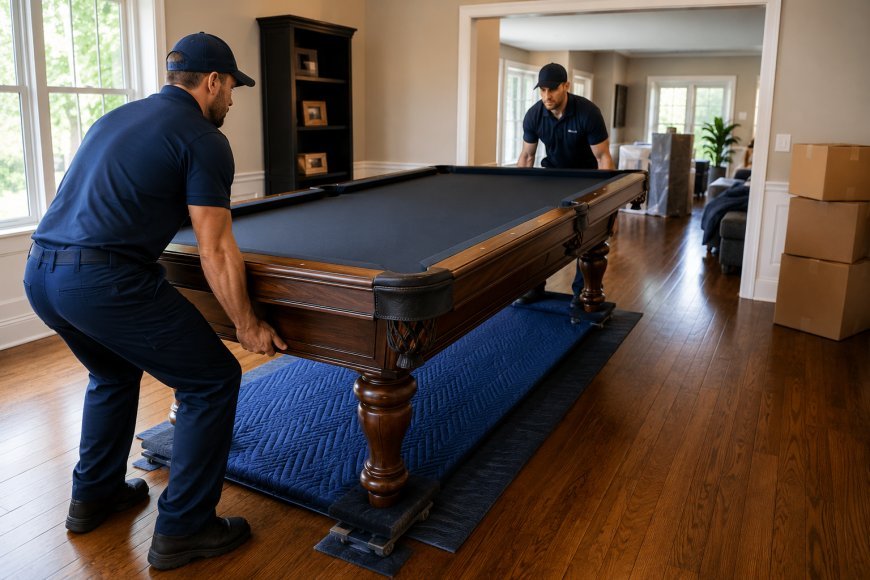
A pool table looks like furniture, but it behaves more like precision equipment, and that surprises many homeowners on moving day. Between the slate, the frame, and the felt, there are plenty of ways for a rushed job to turn into a costly repair. Families planning Pool Table moving in Boise ID often discover this only after they try lifting one corner. Experienced crews like Idaho Premier Moving handle these tables regularly and know exactly where problems tend to show up. Here is what professional movers wish every customer understood before the big day arrives.
Why These Tables Are Harder Than They Look
Weight Is Only Part of the Story
A slate pool table can weigh seven hundred pounds or more, and that weight is split across heavy stone pieces that cannot be bent or dropped. The real challenge is moving that mass through doorways, around corners, and down stairs without chipping the edges or cracking the slate along the way.
Small Parts That Break Easily
Beyond the slate, there are rails, pockets, cushions, legs, and screws that all need careful handling. Felt can tear if it is rubbed or folded the wrong way. A single missing bolt or damaged rail can delay setup, which is why movers keep every component organized from start to finish.
What Movers Wish You Knew Before Booking
Disassembly Is Part of the Job
A pool table cannot be moved in one piece. It must be taken apart, transported, and rebuilt properly. Anyone offering to simply slide it onto a dolly is not describing a safe plan. When you book Pool Table moving in Boise ID, confirm that disassembly and reassembly are both included in the service.
Access and Stairs Matter
Tell your mover about narrow hallways, tight turns, basements, and outdoor steps before they arrive. These details affect crew size, equipment, and timing. A quick walkthrough or a few photos of the path allows the team to plan ahead and keep surprises to a minimum on the day itself.
A Look at How the Process Works
Disassembly and Labeling
The crew begins by removing the felt, rails, and pockets, then lifts the slate pieces carefully from the frame. Parts are labeled, hardware is bagged, and everything is documented so that reassembly matches the original setup. This organized approach prevents mix-ups and protects the playing surface from avoidable damage.
Loading and Transport
Slate is moved upright whenever possible and secured with padding and straps so it cannot shift on the road. Frames and rails are wrapped separately to avoid scratches. Proper loading is just as important as lifting, since a small bump on a bad road can crack stone that was not secured correctly.
Reassembly and Leveling
Once at the new location, the team rebuilds the frame, places the slate, and levels the table with great care. Seams are filled and smoothed so balls roll true. New felt is often recommended after a move, since old felt can stretch or tear when removed from the slate.
Choosing the Right Team
Experience Over Lowest Price
A low quote means little if the crew has never handled a slate table. Ask how many tables they move each year and how they train their staff. Teams with real experience tend to explain the process confidently and avoid shortcuts that could harm both the equipment and your floors.
Questions Worth Asking
A short conversation before booking can tell you a lot about a company. Consider asking about these topics:
- Whether disassembly, leveling, and refelting are included
- How many movers will be on site
- What insurance covers if damage occurs
- Whether they protect floors and doorframes
Insurance and Peace of Mind
Mistakes are rare with skilled crews, but they can happen. Confirm the company carries proper coverage and ask how claims are handled. Clear answers and written documentation show professionalism and give you confidence that your investment is protected throughout the entire moving process.
Frequently Asked Questions
Can I move a pool table myself?
It is possible, but risky. Slate is heavy, brittle, and awkward to lift, and incorrect leveling can ruin the playing surface. Many people who try it end up paying more for repairs than they would have for professional help. For most households, hiring experienced movers is the safer option.
How long does pool table moving usually take?
Most moves take a few hours when you include disassembly, loading, transport, and reassembly. Stairs, long distances, and refelting can add time. Your mover can give a realistic estimate after learning about both locations, so ask for one when you book.
Do I need to replace the felt after moving?
Often, yes. Felt is stapled or glued to the slate and can stretch or tear when removed. Replacing it gives the table a fresh, smooth surface and ensures proper ball roll. Some people reuse old felt, but results vary depending on its age and condition.
What size room does a pool table need?
You need space for the table plus room to swing a cue on every side. For a standard eight-foot table, that usually means a room around thirteen by sixteen feet. Measuring ahead of time prevents surprises and helps your movers position the table correctly on arrival.
Closing Thoughts
A pool table is both a major purchase and a centerpiece for family time, so it deserves careful handling. Plan ahead, share access details, and ask the right questions before hiring help. When you are ready for Pool Table moving in Boise ID, choosing an experienced team keeps your table game-ready from the first rack.
What's Your Reaction?
 Like
0
 Dislike
0
 Love
0
 Funny
0
 Angry
0
 Sad
0
 Wow
0