





























How Accurate Bookkeeping Helps Organisations Manage Income and Expenditure
Discover how accurate bookkeeping, income and expenditure tracking, and financial reporting help organisations improve financial management.

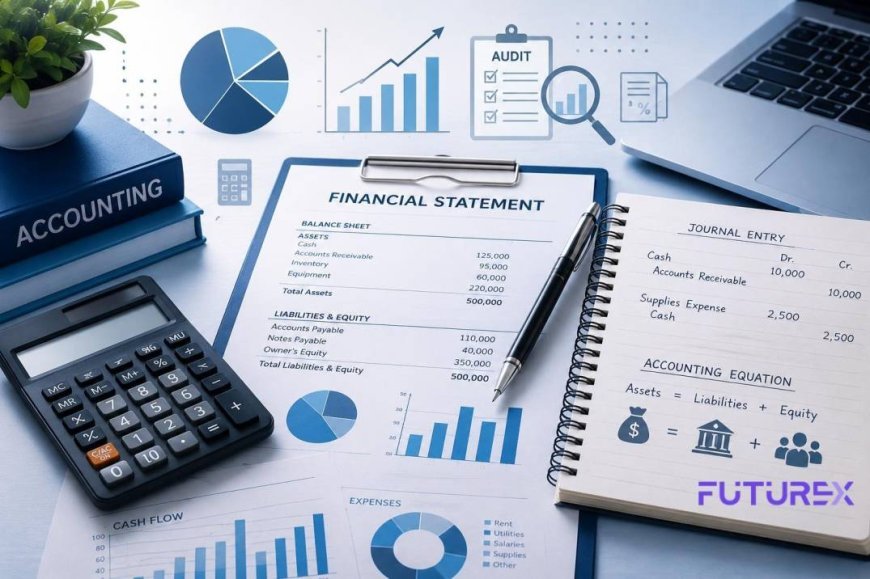
Financial management is essential for every organisation, whether it operates as a commercial business, a nonprofit institution, or a professional service provider. Understanding where money comes from, how it is spent, and what remains at the end of an accounting period helps decision-makers plan responsibly and maintain financial stability.
However, effective financial management requires more than recording transactions. Organisations need an organised accounting system that captures income and expenses, tracks outstanding payments, maintains supporting documents, and produces reliable financial reports. Accurate bookkeeping provides the foundation for this process.
Why Accurate Bookkeeping Matters
Bookkeeping involves systematically recording an organisation's financial transactions. These records help management understand its financial activities and prepare reports for internal review, statutory requirements, and other stakeholders.
A consistent bookkeeping process offers several advantages:
-
Better financial visibility: Regular records help management monitor income, expenses, and available funds.
-
Improved budgeting: Historical financial information supports realistic budgets and spending decisions.
-
Fewer accounting errors: Proper documentation and reconciliation help identify discrepancies.
-
Simpler reporting: Organised records make it easier to prepare financial statements.
-
Better accountability: Clear transaction records help explain how funds have been received and utilised.
Without reliable bookkeeping, even a financially stable organisation may struggle to understand its actual financial position.
Understanding Income and Expenditure in Financial Reporting
An important part of accounting is distinguishing between income earned and expenses incurred during a particular period. For nonprofit organisations, this information is commonly presented through an Income and Expenditure Account.
Unlike a Receipts and Payments Account, which records cash transactions, an Income and Expenditure Account generally follows the accrual basis of accounting. It includes relevant revenue income and revenue expenses for the accounting period, including applicable outstanding and prepaid adjustments.
For a detailed explanation, see this guide to the Income and Expenditure Account, its format and preparation.
Common Sources of Income
Depending on the organisation's activities, income may include:
-
Membership subscriptions
-
General donations
-
Interest received
-
Admission fees
-
Revenue grants
-
Other recurring operating income
Common Types of Expenditure
Revenue expenditure may include:
-
Employee salaries and wages
-
Office rent and utilities
-
Stationery and administrative costs
-
Repairs and maintenance
-
Communication expenses
-
Depreciation
Capital expenditure, such as purchasing machinery or major equipment, is generally treated differently from routine revenue expenses and may be recognised as an asset.
How Financial Reports Support Better Decisions
Financial reports turn accounting records into information that management can use. When income and expenditure are reviewed regularly, organisations can identify spending patterns, evaluate operating costs, and plan future activities.
For example, consider a nonprofit organisation with the following annual figures:
| Particulars | Amount |
|---|---|
| Subscription income | ₹1,20,000 |
| Donations | ₹50,000 |
| Interest received | ₹10,000 |
| Total income | ₹1,80,000 |
| Salaries | ₹70,000 |
| Rent | ₹30,000 |
| Utilities | ₹12,000 |
| Administrative expenses | ₹18,000 |
| Total expenditure | ₹1,30,000 |
| Surplus | ₹50,000 |
The organisation has a surplus of ₹50,000 because its total income exceeds its expenditure. Management can use this information when planning future activities, setting budgets, and deciding how available funds should be allocated.
A surplus does not automatically mean that the organisation has the same amount of cash available. Accrual accounting may include income receivable and expenses payable, so cash balances and financial results should be reviewed separately.
Essential Accounting Practices for Organised Financial Management
Organisations can improve the reliability of their financial information by following a few consistent practices.
1. Maintain Complete Transaction Records
Every financial transaction should be supported by appropriate documentation, such as invoices, receipts, bank statements, payment vouchers, and agreements. These records provide evidence for accounting entries and make future verification easier.
2. Reconcile Bank Accounts Regularly
Bank reconciliation helps identify differences between the organisation's accounting records and its bank statement. Regular reconciliation can reveal unrecorded transactions, bank charges, duplicate entries, and other discrepancies.
3. Record Outstanding and Prepaid Items
Accrual accounting requires income and expenses to be recognised in the appropriate accounting period. Organisations should therefore identify outstanding expenses, prepaid expenses, accrued income, and income received in advance when preparing financial statements.
4. Review Expenses Against the Budget
Comparing actual expenditure with the approved budget helps management understand whether spending is under control. Significant differences should be investigated and documented.
5. Prepare Financial Reports on Time
Monthly, quarterly, and annual reporting gives management a structured view of financial performance. Timely reports also help organisations identify issues before they become difficult to resolve.
When Professional Accounting Support Becomes Useful
As an organisation grows, its accounting requirements may become more demanding. More transactions, additional employees, multiple locations, tax-related responsibilities, and reporting deadlines can increase the workload on internal teams.
Professional accounting support can help organisations maintain organised records, manage bookkeeping activities, reconcile accounts, and prepare financial information. The scope of support should be selected according to the organisation's size, operational needs, and applicable reporting requirements.
Businesses looking for structured support can explore accounting and bookkeeping services or learn more about outsourced accounting services in India.
Outsourcing does not remove management's responsibility for reviewing financial information. Instead, it can provide access to specialised assistance while allowing internal teams to focus on core operations.
Common Bookkeeping Mistakes Organisations Should Avoid
Even small accounting errors can affect the reliability of financial reports. Some common problems include:
-
Recording transactions in the wrong accounting period.
-
Mixing personal and organisational expenses.
-
Failing to maintain supporting documents.
-
Missing outstanding or prepaid adjustments.
-
Treating capital expenditure as an ordinary revenue expense.
-
Not reconciling bank accounts regularly.
-
Delaying the preparation and review of financial statements.
A defined accounting process, regular reviews, and proper documentation can reduce these risks.
Conclusion
Accurate bookkeeping is a fundamental part of responsible financial management. It helps organisations monitor income and expenditure, prepare meaningful financial reports, control operating costs, and make informed decisions.
For nonprofit organisations, the Income and Expenditure Account provides a useful view of revenue-based financial performance during an accounting period. For commercial businesses, appropriate financial statements and management reports serve similar decision-making needs.
By combining consistent bookkeeping practices with timely financial reporting and professional accounting support where necessary, organisations can build stronger financial controls and improve long-term operational planning.
What's Your Reaction?
 Like
0
 Dislike
0
 Love
0
 Funny
0
 Angry
0
 Sad
0
 Wow
0