


















Another Year Without Safe Deposit Boxes? Ask Yourself This First
Another year has passed, but are your most valuable possessions still sitting in drawers and cupboards? This article explores five important questions about protecting jewellery, gold, cash, and essential documents. Discover how safe deposit boxes at The Post Vault can offer a secure alternative to home storage and help you make better decisions about safeguarding irreplaceable belongings.

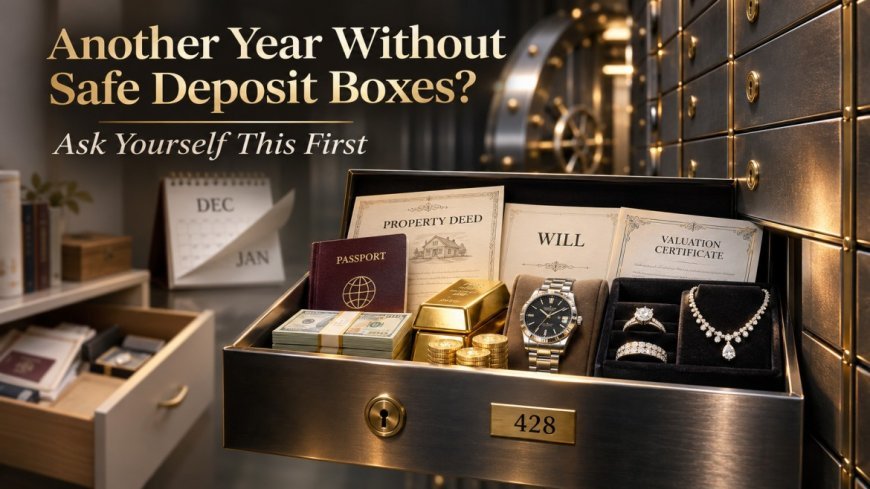
Another year can pass quickly, and plenty of households reach the end of it with the same valuables in the same drawers, having never considered safe deposit boxes at all. Before the next twelve months begin, a few honest questions are worth asking. The Post Vault sees the same worries come up often, so the questions below reflect what people tend to ask once they start thinking about it.
Question One: Where Is Your Most Irreplaceable Item Tonight?
Pick the one thing you would be most upset to lose. Now think about exactly where it is right now. It helps to be specific, so picture the room, the piece of furniture, and the shelf. If the honest answer is a drawer, a wardrobe shelf, or a tin in the cupboard, a jewellery safe deposit box is the obvious fix for rings, watches, and inherited pieces. Most people find the idea easy to accept once they picture the moment they would discover it missing. The item itself rarely changes, only the place it lives.
Question Two: Could You Prove What You Own?
Ownership is easier to claim when the paperwork exists. After a loss, you may need to show receipts, valuations, or policy details, and that evidence is often kept in the same place as the items themselves.
Papers that tend to matter most include:
-
Receipts and valuation certificates
-
Insurance policies
-
Wills and property deeds
-
Passports and birth certificates
Keeping originals in a safe deposit box for documents means a fire or burglary at home cannot take both the items and the proof. Copies can stay at home for day to day use.
Question Three: Are Your Savings Stored or Just Hidden?
There is a big difference between storing something and merely hiding it. A hiding place only works until someone looks there. A safe deposit box for gold keeps coins and bars in a monitored vault, which suits long term savings that you do not need to touch often. It also gives you one clear place to point to when family members ask where everything is kept.
A Short Example From a Quiet Street
Consider a couple who had bought gold coins steadily over many years and kept them in a toolbox in the garage. They felt the spot was clever because nobody would think to look there. When a neighbour's garage was broken into, they realised how quickly the same thing could happen to them. They had never insured the coins separately and had no written list. Moving the collection into a vault, along with a simple inventory, took one afternoon, and they said the relief was immediate. What surprised them most was how much time they had spent worrying without ever mentioning it to each other.
Question Four: What Would Happen to Your Cash in an Emergency?
Plenty of households keep an envelope of money for emergencies, usually somewhere that feels secret. The trouble is that cash is the hardest thing to recover once it is gone. A cash deposit safe box keeps that money out of the house while still letting you collect it when you really need it. It also suits small business owners who want somewhere secure for spare takings or a reserve.
Question Five: Why Do Safe Deposit Boxes Feel Like a Big Step?
Most hesitation comes from small, practical worries. They are all fair, and all easy to check before you commit.
-
Cost: pricing depends on box size and rental length
-
Distance: choose a facility close enough to visit easily
-
Access: ask about opening hours and identity checks
-
Insurance: find out what the facility covers and what you may need separately
Once these are answered, the step usually feels much smaller than expected. Many people also find that speaking to a member of staff in person settles most of the remaining doubts.
What Usually Changes Once You Do It
People who make the move rarely describe a dramatic difference. What they notice is smaller and steadier. Holidays feel easier because nothing valuable is sitting in an empty house. Conversations about wills and inheritance become simpler because everything is in one known place. And the quiet background worry about burglary, fire, or flooding simply stops being part of daily life.
What Your Answers Tell You
If you answered "not sure" to two or more of the questions above, that is your answer. The aim is not to move everything. It is to move the few things that would hurt most to lose, and to do it before something forces the decision.
A Simple Plan for the First Month
Start by listing what you would hate to lose and where each item is now. Photograph everything and keep a written record somewhere separate. Visit a facility in person, ask plain questions about security and access, and choose a box size with a little spare room. Move your first items, tell a trusted person where the list is kept, and review it once a year.
One Honest Answer
The Post Vault offers secure storage for jewellery, gold, cash, and documents, so the things that matter most do not have to stay in a drawer for another year. Asking the questions costs nothing, and the answers usually make the next step obvious.
What's Your Reaction?
 Like
0
 Dislike
0
 Love
0
 Funny
0
 Angry
0
 Sad
0
 Wow
0