


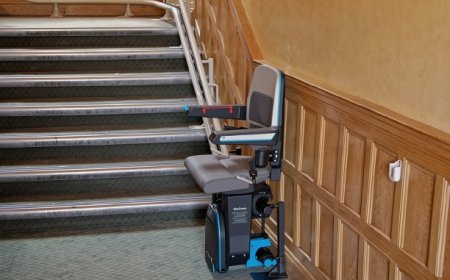



















Used Stairlift Weight Capacity: How to Match a Lift to the Rider

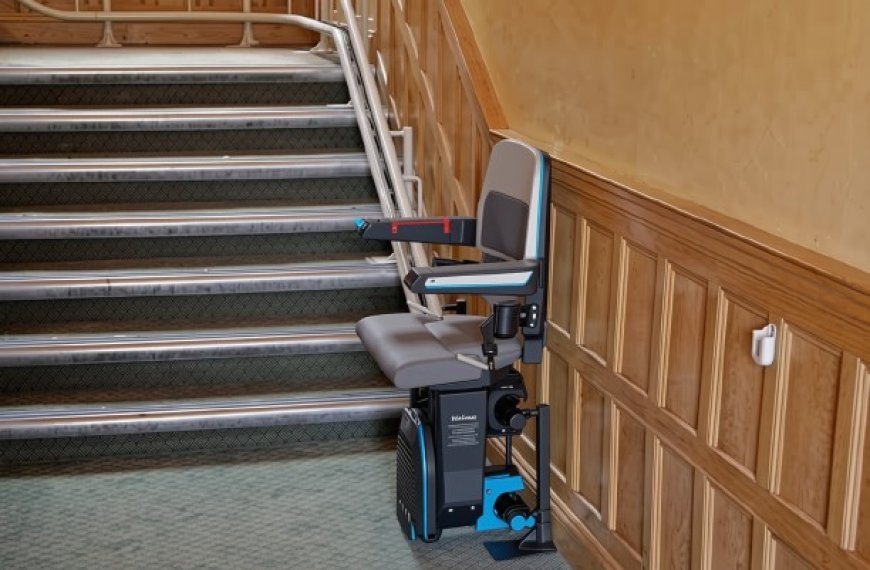
Picking among refurbished chair lifts for stairs can feel like a price contest. Most shoppers compare cost, color, and brand. Far fewer ask the one question that matters most: how much weight can this lift safely carry? A stairlift that is too weak for its rider wears out fast and can become unsafe. A lift that is far stronger than needed may cost more than it should. This guide shows you how weight ratings work, how to read them on a used unit, and how to match a lift to the person who will ride it every day.
What Weight Capacity Really Means
Weight capacity is the maximum load a lift is built to carry. It is set by the maker and tested on new equipment. The number covers the rider and anything they carry, such as a cane, a bag, or a heavy jacket.
Think of it like the load rating on a ladder. You can climb above the rating for a while, and nothing seems wrong. But the motor, gears, and battery work harder each trip. Over time, small strains turn into breakdowns.
Typical Weight Limits by Lift Type
Many standard straight lifts are rated for about 300 pounds. Heavy duty models often carry 400 pounds or more. Bariatric lifts are built for higher loads and use a wider seat, a stronger rail, and a more powerful motor. Ratings vary by brand and model, so never assume. Always read the label.
Where to Find the Rating on a Used Unit
Most lifts carry a data plate or sticker. Look under the seat, on the carriage, or near the motor housing. It usually lists the model number, serial number, and maximum weight.
If the label is faded, missing, or painted over, be careful. Call the manufacturer with the model number and ask for the rated capacity. A reputable dealer can often confirm this in a few minutes. If nobody can verify the rating, that lift is a risky buy.
Why Age and Wear Matter
A used lift may have lived a gentle life or a hard one. Two lifts with the same rating can behave very differently after years of use. A unit that carried a heavy rider several times a day will show more wear than one used twice daily by a lighter person.
Wear shows up in clear ways. Listen for a rough motor sound or a slow climb. Watch for jerky starts and stops. Check the battery. A weak battery often means the lift has been working beyond its comfort zone. Look at the rail and gear rack for damage. These parts take the most stress from heavy loads.
This is where refurbished chair lifts from a dealer have an edge. A good dealer replaces worn parts, tests the unit under load, and confirms the capacity. A private sale rarely offers that level of care.
How to Match a Lift to the Rider
Start with the rider's real weight. Do not guess. Add a few pounds for clothing, shoes, and any items they carry. Then check the lift rating against that total.
Next, think about the future. Weight can change with health, medication, or age. If the rider is close to the limit of a lift, choose the next size up. Buying a bit more capacity now is cheaper than replacing the lift later.
Also look at body size, not just weight. Seat width, seat height, and footrest length all matter. A rider who is tall or broad may need a wider seat even if the weight is within the limit. A rider who is smaller may need a seat that adjusts down.
Comfort and Control Matter Too
Weight is only part of the picture. Check whether the rider can sit down, swivel, and stand up without strain. Make sure they can reach the controls and understand them. Try the seat belt. Test the footrest. Have the rider sit in the lift and take a short ride, if possible.
Rail, Motor, and Battery Fit the Load
The rail has to support the weight along its full length. The motor must pull the load up the slope. The battery must supply enough power for repeated trips. If any one part is undersized, the whole system struggles.
Ask the dealer how the lift was tested. A good answer includes a load test or an inspection report. Ask about the age of the battery and when the last service took place. Ask whether any parts were swapped out.
Think About Resale Before You Buy
It is smart to plan for the day when the lift is no longer needed. Many companies run a stairlift buy back option so owners can recover part of the cost. These programs often favor lifts in good working order with a clear service history. A standard-capacity lift is usually easier to resell than a specialty model.
Ask any dealer how their buy back process works. Find out what condition the lift must be in, how payouts are decided, and whether removal is included. Terms differ from one company to another, so get the details in writing.
Questions to Ask Before You Buy
Keep a short list in your pocket. What is the maximum weight rating? Where is it printed on the unit? How old is the lift? Has it been load tested? When was the battery last replaced? Does the warranty cover the motor and rail? Can the rider try the lift before you pay?
Honest sellers answer all of these without hesitation. If someone dodges or guesses, take that as a warning.
Matching a lift to its rider takes a little homework, but it pays off every single day. Weigh the rider, check the label, inspect the wear, and choose a rating with some room to spare. When the lift fits the person, the ride feels smooth, steady, and safe.
What's Your Reaction?
 Like
0
 Dislike
0
 Love
0
 Funny
0
 Angry
0
 Sad
0
 Wow
0