























Cutting Building Running Costs: A Data-Driven Approach to Energy and Upkeep
A practical, data-led guide to lower building running costs, covering energy, upkeep, water, metrics, and a phased plan owners can follow.
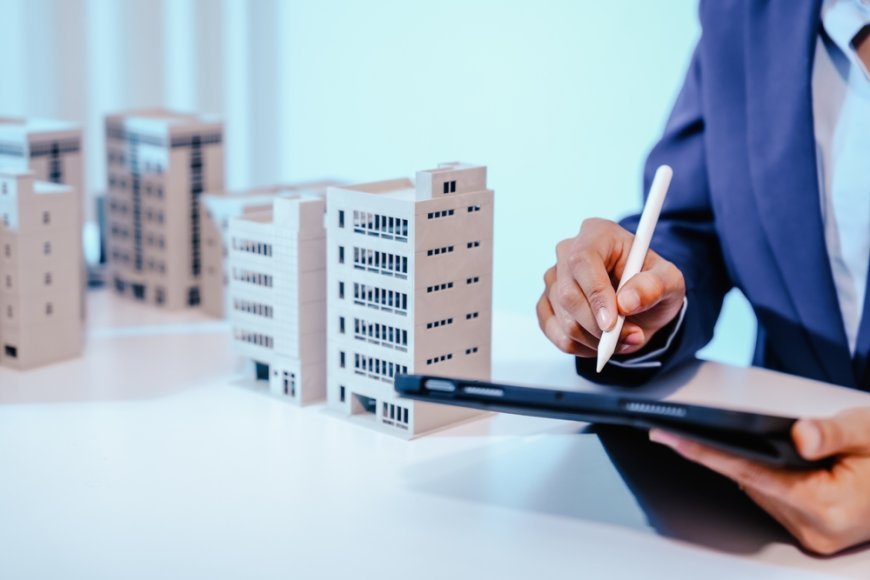
Every month, a building manager opens the electricity bill and winces. Higher again. Nobody can say exactly why. The chillers run long hours, sure, but are they running when the floor is empty? The lifts seem busy, but is a pump somewhere quietly working overtime? Without numbers, everyone has a theory, and nobody has an answer. This is the quiet frustration behind many commercial buildings, and it’s where modern facilities management is changing most.
The shift isn’t about spending less on everything. It’s about knowing, with evidence, where each rupee goes and which ones are wasted. This guide walks through a practical, data-first way to trim running costs without making the building less comfortable for the people inside it.
Where Building Money Actually Goes
Before cutting anything, it helps to see the whole picture. Running costs spread across several heads, and each one behaves differently.
|
Cost head |
What usually drives it |
What data can reveal |
|
Electricity |
Cooling, lighting, lifts, common-area loads |
Peak demand, after-hours usage, equipment running unnecessarily |
|
Cooling and ventilation |
Run hours, setpoints, equipment condition |
Overcooled zones, failing components, poor scheduling |
|
Maintenance |
Breakdown frequency, vendor contracts |
Repeat faults, ageing assets, avoidable emergency callouts |
|
Water |
Leaks, landscaping, washroom fixtures |
Unusual night-time flow, overuse in specific zones |
|
Housekeeping and security |
Staffing levels, shift patterns |
Mismatch between staffing and real footfall |
Start With Measurement, Not Guesswork
Most savings projects fail at step one. They begin with a list of upgrades instead of a clear picture of current performance.
Sub-Metering Shows What the Main Meter Hides
A single main meter tells you the total, nothing more. Sub-meters on floors, tenants, cooling plants, and major equipment break that total into pieces you can actually act on. When one floor’s consumption jumps and another’s stays flat, you’ve found something worth investigating.
Baselines Make Progress Visible
A baseline is simply what the building uses today, in the real world, under normal conditions, adjusted for weather and occupancy. Without it, you can’t tell whether a retrofit worked or whether the monsoon did the job for you. Collect at least a year of data if possible, so seasonal swings don’t mislead you.
Occupancy Data Changes the Conversation
Many buildings are conditioned as if every desk is full, every day. They aren’t. Badge swipes, lift traffic, booking systems, and simple headcounts can show when floors are truly in use. Match cooling, lighting, and ventilation to that rhythm, and a surprising amount of waste disappears.
Energy: The Biggest Lever
In most commercial buildings, energy is the largest controllable running cost, so it deserves the most attention. A few moves tend to deliver the clearest results:
● Scheduling cooling and ventilation around actual occupancy, not a fixed clock
● Reviewing temperature setpoints zone by zone instead of one setting for the entire floor
● Switching to efficient lighting with motion and daylight sensors in low-use areas
● Tracking peak demand, since it can influence what you pay
● Checking power factor and load balancing with the electrical team
● Looking at rooftop solar where the structure and tariffs make sense
● Fixing building envelope leaks, such as worn seals and poorly sealed doors
Upkeep: From Reactive to Predictive
Repair costs behave differently from energy costs. They arrive suddenly, they cost more when rushed, and they usually point to something that was ignored earlier.
Know What You Own
A proper asset register lists every major piece of equipment, its age, its service history, and its expected life. It sounds dull. It’s actually the foundation of smart upkeep, because you can’t plan what you haven’t recorded.
Track the Repeat Offenders
Pull the last twelve months of complaints and breakdown tickets. A handful of assets usually account for a large share of the trouble. Replacing or overhauling those few can cut both cost and tenant irritation faster than any broad programme.
Let Sensors Raise the Alarm
Vibration, temperature and current readings can reveal a motor or pump drifting out of its normal range before it fails. A planned repair on a Tuesday afternoon is cheaper and far less stressful than an emergency one at midnight.
Water, Waste and the Small Leaks
Water rarely makes the headlines, but it deserves a line in every review. A tap running all night slowly doesn’t look like much until you see the monthly total. Metering at the building and zone level, checking night-time flows, and servicing fixtures regularly catches problems early. Waste is similar. Segregation at source, better collection routines, and tracking volumes can lower disposal costs and support sustainability commitments many occupiers now expect.
Metrics Worth Watching Every Month
You don’t need fifty dashboards. A short list, reviewed consistently, does more than a sprawling one nobody opens.
● Energy used per square foot, compared across months and against the baseline
● After-hours consumption, which exposes equipment left running for no reason
● Share of planned versus breakdown maintenance work
● Average time taken to close a tenant request
● Water consumption per occupant, tracked for sudden jumps
Bringing Tenants Along
Savings improve when occupants are part of the story. Share simple monthly summaries with tenants. Explain why a setpoint has shifted by a degree or why lights dim in an empty corridor. Most people accept small changes when they understand the reason, and many will suggest improvements of their own. Where tenants pay for their own consumption, sub-metered data also keeps billing fair, which quietly removes a long-running source of disputes.
How Operating Data Feeds Bigger Decisions
Running data isn’t only a building-operations matter. It travels upward. In commercial real estate asset management, operating costs shape net income, and net income shapes value. A building that consistently shows lower, more predictable expenses is easier to lease, finance, and sell. Better still, trend data helps owners decide when to refurbish and when to hold off, which equipment to replace first and where a modest upgrade will pay back quickest.
Owners who bring this information into every commercial real estate asset management review tend to make calmer, better-timed decisions. They aren’t surprised by capital expenses, because the data warned them months earlier.
A Phased Plan You Can Actually Follow
Nobody needs to digitise an entire building in a month, and frankly nobody should try. Moving in phases keeps disruption low and lets each step prove its worth.
|
Phase |
Focus |
Typical outcome |
|
Audit |
Review bills, equipment, contracts, and compliance |
A clear starting picture and a list of quick wins |
|
Measure |
Add sub-meters, sensors and simple dashboards |
Reliable baselines and visible waste |
|
Optimise |
Adjust schedules, setpoints and maintenance routines |
Lower consumption without new hardware |
|
Upgrade |
Replace the worst-performing assets and retrofit where payback is clear |
Longer-term savings and fewer breakdowns |
|
Review |
Compare against baselines every quarter |
Continuous improvement, not one-time fixes |
Mistakes That Quietly Eat the Savings
● Buying expensive hardware before understanding current usage
● Cutting maintenance to save money, then paying more in breakdowns
● Ignoring tenant comfort, which leads to complaints and workarounds
● Collecting data but never assigning someone to act on it
● Treating the exercise as a one-time project instead of a habit
Questions to Ask Your Operations Partner
● What will be measured, and how often will reports reach me?
● Who owns the data, and in what format can I access it?
● How are savings verified against a baseline?
● How do you balance cost cutting with comfort and compliance?
● What’s the plan for ageing equipment over the next five years?
Bringing It All Together
Lower running costs rarely come from one dramatic move. They come from steady attention: measuring properly, fixing the obvious waste, maintaining before things fail, and reviewing the numbers again next quarter. Handled this way, facilities management becomes a source of insight instead of a cost to be tolerated.
Colliers, a global commercial real estate services firm with a long presence in India, supports owners and occupiers through real estate management services covering facilities and property management, along with leasing, valuation, and advisory work across asset types, including industrial and warehousing assets.
For businesses comparing a warehousing company in India with other space options, the same data-first thinking applies: measure first, then decide. Start small, track honestly, and let the numbers lead.
What's Your Reaction?
 Like
0
 Dislike
0
 Love
0
 Funny
0
 Angry
0
 Sad
0
 Wow
0