

















Estate Cleanouts That Help Families Clear a Home With Care
Estate cleanouts help families sort belongings, remove unwanted items responsibly and prepare inherited homes for their next use with care and respect.

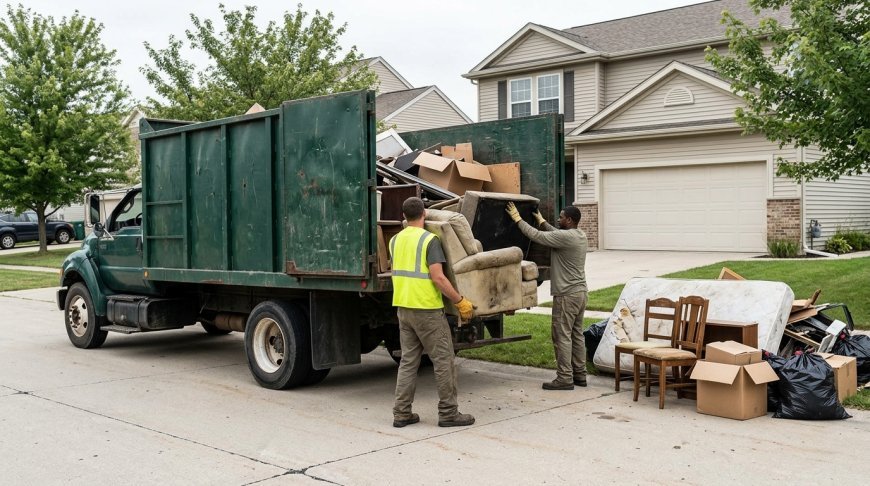
When a family inherits a home, clearing it can be harder than expected. Every room may hold memories, family records, useful objects or items with deep personal meaning. At the same time, the property may need attention before it can be sold, rented or used again. A thoughtful Estate Cleanouts plan helps families manage these tasks without rushing important decisions. It creates a clear process for sorting possessions, handling unwanted furniture and protecting valuable belongings.
The best approach combines practical planning with patience and respect. Families can begin by identifying important items, agreeing on what to keep and deciding what can leave the property. Professional house cleanout services may also help when the home contains heavy furniture, large appliances or years of accumulated possessions. With a suitable plan, estate clearance becomes more manageable, and families can focus on the next steps with greater confidence.
Why inherited homes need a careful clear-out!
Clearing an inherited property involves more than taking items out of rooms. Families may need to protect sentimental possessions, review legal papers and agree on how shared belongings should be handled. These decisions can take time, especially when relatives live apart or have different wishes.
A careful plan also helps prevent avoidable waste and damage. Instead of emptying every room at once, work through the property in stages. This gives family members time to make informed choices while keeping the home organised and safe throughout the process.
How to sort items before clearing a home well
Before arranging collections or moving heavy objects, establish a clear system for reviewing the contents. A room-by-room approach makes it easier to identify important possessions and avoid accidental disposal. It also helps everyone understand which decisions remain outstanding.
Separate keepsakes from everyday possessions
Start with items that may carry personal, family or financial value. These might include photographs, letters, jewellery, certificates, family records and inherited collections. Place these belongings in clearly labelled boxes and keep them somewhere secure. Next, review everyday objects such as kitchenware, books, clothing and ornaments. Family members can decide which items they want to keep, share or pass on. When several relatives are involved, create a simple list showing who has claimed each possession. This reduces confusion and helps prevent disagreements later. If an item's value or ownership is uncertain, set it aside rather than making a quick decision. Taking photographs of valuable or sentimental items can also help relatives discuss them remotely before anything is moved.
Create clear groups for the remaining items
Once important possessions have been separated, group the remaining contents by their next destination. Useful categories include items for donation, resale, recycling, specialist disposal and general waste. Mark each box or area clearly so that nothing enters the wrong collection. Furniture can be listed separately because its condition, size and demand affect whether it can be reused. Appliances may require checks before donation or recycling. Clothing and household goods should also be assessed for cleanliness and condition. If family members disagree about an object, leave it out of the removal pile until they reach an agreement. This simple sorting method makes personal belongings removal more organised and reduces the chance of throwing away something useful.
Plan the work before removing household items
Good preparation helps families avoid unnecessary costs, repeated handling and last-minute delays. Begin by checking which rooms need clearing and whether any areas require special care. Then establish a realistic schedule based on the property's size and condition.
Check access routes, parking arrangements and any restrictions on moving large objects. Identify fragile items, heavy appliances and possible hazards before work begins. If the property contains several floors, decide how items will be moved safely between rooms and exits. Keep essential documents and keys separate from the belongings being removed.
Protect records, keepsakes and valuable items
Inherited properties can contain documents that families may need long after the rooms have been cleared. These could include insurance papers, tax records, property deeds, bank correspondence, wills and repair records. Store relevant documents securely and seek suitable professional advice when their importance is unclear.
Also check drawers, cupboards, desks and storage boxes before disposing of their contents. Small items can be hidden inside furniture, books or old envelopes. Jewellery, cash, photographs and digital storage devices deserve particular attention. If sensitive paperwork is no longer needed, use a secure disposal method rather than placing it loose in general waste.
Choose safe ways to remove unwanted items
Responsible removal means considering where each item will go, not simply how quickly it can leave the property. Furniture and appliances may still be useful, while damaged goods may need specialist handling. The right route depends on their condition and the available local facilities.
Assess furniture and appliances before collection
Before arranging furniture and appliance removal, inspect each item for damage, cleanliness and safe working condition. A sound table, wardrobe or sofa may be suitable for reuse, depending on its condition and any relevant safety requirements. Working appliances may also be accepted by suitable reuse organisations. However, broken electrical goods, damaged batteries and certain household materials need appropriate handling. Do not assume every item can be donated or placed in ordinary recycling. Check acceptance rules with the receiving organisation before booking a collection. Heavy furniture should be moved using suitable equipment and safe lifting methods. Where access is narrow or stairs are involved, experienced removal workers may reduce the risk of injury or damage to walls and floors.
Choose responsible routes for unwanted belongings
After identifying reusable items, decide how to handle the rest. Charities, reuse centres and community groups may accept suitable household goods, but their requirements vary. Some collect larger items, while others accept only specific products in good condition. Clean cardboard, certain metals and accepted electrical items may go through approved recycling services. General waste should be the last option when practical alternatives exist. Paints, chemicals, gas cylinders and other potentially hazardous materials should not be mixed with ordinary rubbish. Contact the appropriate local waste service for handling instructions. Keep a basic record of collection arrangements where several loads are involved. This approach helps families dispose of unwanted estate items responsibly while reducing avoidable landfill waste.
How teams manage complex clear-outs with care
Some properties contain more belongings than a family can reasonably move alone. Others have narrow access, heavy furniture, cluttered storage areas or items requiring specialist disposal. In these situations, professional support can make the work easier to organise.
Before hiring a provider, ask what the service includes. Clarify whether sorting, lifting, transport, recycling and final sweeping are covered. Request a written estimate that explains additional charges, access requirements and disposal arrangements. A reliable provider should also explain how it handles fragile possessions and items that need special care.
Prepare homes for their next use safely
Once the contents have been removed, the property may need further checks before anyone can occupy it or arrange its sale. Clearing rooms provides better access to floors, walls, fixtures and storage areas. It can also reveal problems that were hidden behind furniture or stored belongings.
Inspect for signs of damp, leaks, pest activity, damaged flooring and faulty fittings. Removal work does not replace repairs, specialist cleaning or safety inspections. Depending on the property's condition, suitable tradespeople may need to address these issues. Keep records of completed work and note any remaining concerns before arranging viewings or planning renovation.
Plan the home’s next step with care and respect
A cleared property gives families more options, but the next decision should reflect their circumstances. Some homes are prepared for sale, while others remain within the family or become rental properties. Before choosing a route, consider maintenance costs, outstanding repairs, legal responsibilities and the wishes of everyone involved. Property cleanout services can help with the physical work, but decisions about ownership and the property's future may require separate professional guidance.
If the task feels too large, begin with one room and set a clear goal for each visit. Families can also seek house cleanout services when lifting, transport or disposal becomes difficult to manage. Ask for a clear scope of work, confirm how items will be handled and agree on what must remain untouched. A steady approach helps prepare inherited homes for their next use without losing sight of the memories and responsibilities attached to them.
Conclusion
Clearing a family property takes planning, care and a practical approach to decision-making. Sorting possessions before removal helps protect important records, preserve meaningful keepsakes and identify goods suitable for reuse. Meanwhile, safe handling and responsible disposal reduce avoidable risks and waste.
Every inherited home has different needs, so the best plan depends on its contents, condition and intended future. By setting priorities, involving relatives and arranging suitable help when needed, families can complete the work in manageable stages. The result is a clearer, safer property and a more considered path towards its next chapter.
Frequently Asked Questions
1. When should a family begin clearing an inherited home?
Start when the family has the necessary authority and has checked any legal or estate-related restrictions. There is no need to rush unless a genuine deadline applies. First secure important documents, keys and valuables, then create a realistic schedule for sorting and removal.
2. What should families check before disposing of old documents?
Look for wills, property records, insurance papers, tax documents and financial correspondence. If ownership or legal importance is uncertain, seek advice before destroying anything. Keep sensitive information secure, and use an appropriate confidential disposal service for documents that are no longer required.
3. Can usable furniture be donated instead of discarded?
Yes, if the receiving organisation accepts the item and its condition meets their requirements. Contact the organisation before arranging transport. Some providers collect large furniture, while others require drop-off. Check any relevant safety rules, particularly for electrical goods and upholstered furniture.
4. What affects the cost of clearing a property?
The main factors include the amount of material, property size, access, labour time, transport and disposal fees. Heavy objects, hazardous materials and specialist handling may increase the cost. Request a written estimate and confirm which tasks and disposal charges it includes.
5. Does a cleared home become ready for sale immediately?
Not necessarily. Removing possessions creates space for inspection, but the property may still need cleaning, repairs or safety checks. Review its condition after clearance and arrange suitable work before marketing it. Estate administration and ownership requirements should also be addressed separately.
What's Your Reaction?
 Like
0
Like
0
 Dislike
0
Dislike
0
 Love
0
Love
0
 Funny
0
Funny
0
 Angry
0
Angry
0
 Sad
0
Sad
0
 Wow
0
Wow
0