













Stop Nesting Birds From Affecting Solar Panel Performance
Stop nesting birds from affecting solar panels with practical Bird Proofing advice, suitable wire mesh, safer maintenance and ways to reduce debris beneath your roof.

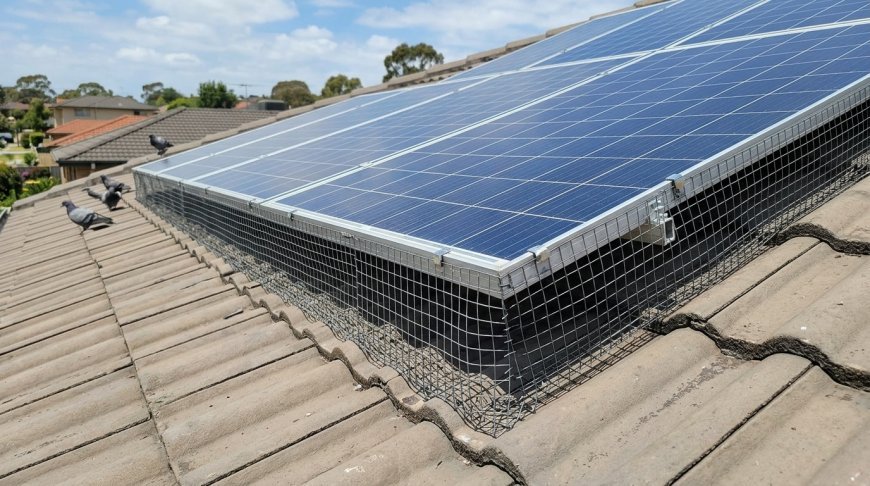
Solar panels need clear airflow and an unobstructed surface to work well. However, the space beneath rooftop panels can attract pigeons and other birds seeking shelter. Nests, feathers and droppings may build up over time, creating extra maintenance concerns for homeowners. Bird Proofing offers a practical way to discourage nesting and protect the area around a solar installation.
Bird activity beneath panels can also create concerns for cables, roof cleanliness and access for maintenance. Taking action early helps homeowners manage these risks before nesting becomes a larger problem. With suitable barriers and careful installation, it is possible to make the space less attractive to birds while keeping the solar system accessible for inspection and servicing.
Why Bird Proofing Matters for Solar Panel Performance
Birds often find the gap beneath solar panels appealing because it offers shelter from wind and rain. Once they settle in, nesting materials and droppings may collect around the roof. This debris can make routine cleaning more difficult and leave the area untidy. Solar panel bird proofing addresses the access points birds use, helping reduce the chance of nests forming beneath the panels.
Nesting activity may also create concerns for the condition of nearby wiring and other components. Birds can move nesting materials into tight spaces, while repeated visits may lead to a build-up of feathers and waste. These issues do not mean every bird nest will affect electricity production, but they can complicate inspection and upkeep. Preventive barriers help keep the area beneath panels easier to manage.
How Nesting Birds Can Affect Rooftop Solar Systems
Protecting Solar Wiring From Nesting Birds
Cables beneath solar panels need to remain in suitable condition for safe operation. Nesting materials may gather around wiring, making visual checks more difficult. In some cases, birds may peck at or disturb exposed components. Protecting solar wiring from nesting birds starts with inspecting the installation for signs of activity and asking a qualified solar professional to assess any suspected damage. Avoid reaching beneath panels or handling electrical components yourself.
Reducing Debris Beneath Home Solar Panels
Bird droppings, feathers and twigs can accumulate beneath an array when birds return to the same sheltered space. This debris may attract further nesting activity and create unpleasant smells or cleaning problems. Reducing bird debris beneath home solar panels begins with preventing access to suitable nesting areas. Regular checks from a safe position can reveal signs of activity early, while professional cleaning can address existing build-up without risking damage to the panels.
Recognising Early Signs of Nesting Activity
Listen for repeated bird calls around the roof and watch for birds entering the same gap beneath the panels. Twigs, feathers and droppings near the roofline may also indicate that nesting has begun. Early detection gives homeowners time to seek advice before debris builds up. Do not disturb an active nest without checking the relevant wildlife rules, as some birds and nests may receive legal protection.
Effective Methods for Preventing Birds From Nesting Beneath Solar Panels
Installing Wire Mesh Around Rooftop Solar Panels
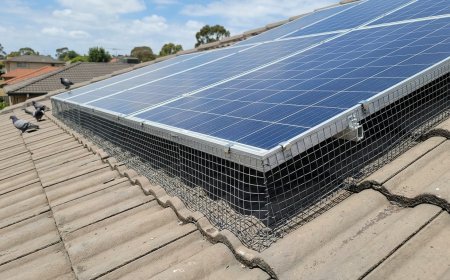
Installing wire mesh around rooftop solar panels is a common approach to restricting access beneath the array. A suitable mesh barrier closes the gap while allowing the panels to remain in place. The material and fixing method must suit the roof and solar system. Correct installation matters because loose edges may leave openings for birds, while unsuitable fasteners could damage panel frames or roofing materials.
Choosing Bird-Proof Wire Mesh
Bird-proof wire mesh should be durable enough for outdoor exposure and designed to discourage birds from entering the protected space. Its openings need to prevent the target birds from passing through, while its edges must fit securely around the array. Mesh should not block drainage, interfere with ventilation or press against cables. A qualified installer can assess the layout and select a suitable product for the panel design.
Considering Pigeon Proofing for Persistent Problems
Pigeons often return to sheltered nesting spots when conditions remain favourable. Pigeon proofing focuses on closing these access points so birds cannot easily settle beneath the panels. A properly fitted barrier is generally more practical than repeatedly removing nesting materials without addressing the entry gap. The installation should be checked periodically, particularly after strong winds or roof maintenance, to identify loose sections or newly opened spaces.
Why Installation Quality Makes a Difference
A barrier only works as intended when it fits the solar array correctly. Gaps around corners, uneven roof sections and exposed edges can allow birds to enter. Poorly chosen fittings may also affect the panels or roof surface. Professional installation helps account for these details and reduces the chance of accidental damage. The installer should preserve access for inspections and follow the solar system manufacturer's guidance.
Maintaining Bird Protection for Solar Panels Over Time
Inspecting Barriers and Roof Areas
Bird protection for solar panels requires occasional checks to confirm that the barrier remains secure. Look for loose mesh, damaged fixings, new gaps and signs of nesting nearby. Do not climb onto the roof or reach beneath the panels unless you are trained and equipped to do so. A professional inspection is a safer option when access is difficult or electrical components may be affected.
Dealing With Existing Nests and Debris
If birds have already nested beneath the panels, assess the situation before attempting removal. An active nest may be protected by local wildlife laws, so removal could be restricted. Contact an appropriate wildlife professional or pest control specialist for advice. Once removal is lawful and safe, the affected area can be cleaned and the access points secured to discourage birds from returning.
Keeping Solar Maintenance Accessible
Any protective system should allow qualified technicians to inspect and service the panels when required. Mesh must not obstruct essential components or make planned maintenance unnecessarily difficult. Tell your solar installer about existing bird barriers before work begins. A suitable design balances bird exclusion with safe access, proper drainage and the manufacturer's requirements for the solar equipment.
Knowing When to Seek Professional Help
Professional assistance is especially useful when nesting occurs near wiring, the barrier has become detached, or access to the roof is hazardous. A solar technician can inspect the equipment, while a specialist installer can assess the most suitable exclusion method. If you notice damaged cables, exposed conductors or other signs of electrical trouble, keep clear of the area and arrange an urgent assessment by a qualified professional.
Conclusion
Birds can turn the sheltered space beneath rooftop panels into a nesting site, leaving debris and creating maintenance concerns. Early checks, suitable mesh and careful installation can reduce access and make the area easier to maintain. Bird Proofing should be planned around the roof layout, panel design and local wildlife rules. With regular inspections and professional support when needed, homeowners can protect their solar installation while keeping future servicing practical and safe.
FAQs
1. Why do birds nest beneath solar panels?
The space beneath solar panels offers shelter from weather and potential predators. Birds may use this protected gap to build nests, especially when access remains open.
2. Does solar panel bird proofing improve energy production?
It does not guarantee higher energy output. However, reducing debris and making inspections easier may support routine maintenance and help identify problems that need attention.
3. Is wire mesh suitable for every solar panel system?
Not every mesh or fixing method suits every installation. The barrier must fit the array, remain secure and avoid interfering with wiring, drainage or manufacturer requirements.
4. Can I remove a bird's nest from beneath my panels?
Check local wildlife laws before taking action. Some active nests are protected. A qualified wildlife or pest control professional can advise on lawful and safe removal.
5. How often should solar panel bird barriers be inspected?
Check them periodically and after severe weather or nearby roof work. Arrange a professional inspection if you notice loose mesh, nesting debris, damaged cables or new gaps.
What's Your Reaction?
 Like
0
Like
0
 Dislike
0
Dislike
0
 Love
0
Love
0
 Funny
0
Funny
0
 Angry
0
Angry
0
 Sad
0
Sad
0
 Wow
0
Wow
0