

















Air Conditioner Installation for Efficient Home Cooling

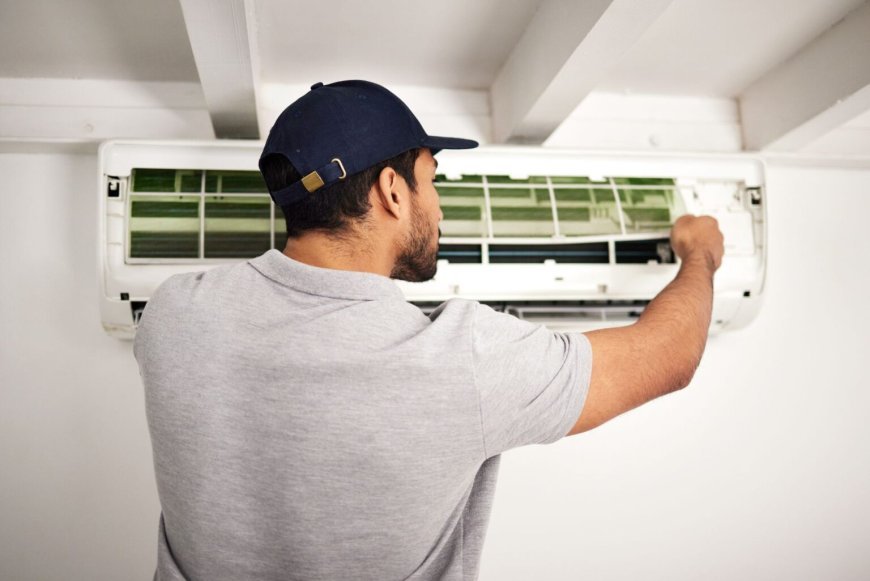
A properly installed air conditioner helps maintain comfortable indoor temperatures during hot weather. The equipment must match the home's cooling requirements, fit the available space, and provide suitable airflow. Air conditioner installation involves more than placing a unit in position. It requires careful planning, correct equipment sizing, safe electrical connections, and proper system testing.
Homeowners considering a new cooling system should understand their options before making a purchase. A qualified HVAC professional can evaluate the property, explain suitable equipment choices, and install a system that meets the home's needs.
When to Consider a New Air Conditioner?
Some air conditioners reach a point when replacement makes more sense than continued repair. Frequent breakdowns, uneven cooling, excessive noise, and poor performance can indicate that the equipment no longer meets the home's needs.
An older system may also use more electricity than a newer model with suitable efficiency ratings. However, age alone does not determine whether replacement is necessary. The equipment's condition, repair history, operating cost, and expected service life all matter.
Home additions and major renovations can create new cooling requirements. A system that once served a small home may struggle after the owners expand the living space. New insulation, replacement windows, and changes in room use can also affect cooling demand.
A professional assessment helps homeowners decide whether to repair existing equipment, replace it, or consider a different system design.
Types of Air Conditioning Systems
Central air conditioning is common in homes with existing ductwork. The system uses an outdoor condenser and an indoor evaporator coil to cool air that moves through ducts. A central system can provide whole home cooling when the equipment and ductwork are properly designed.
Ductless mini split systems use indoor air handlers connected to an outdoor unit. They suit homes without ducts, room additions, converted garages, and properties that need separate temperature controls for different spaces.
Heat pumps provide both heating and cooling. They move heat between indoor and outdoor spaces rather than generating heat through combustion. Their performance depends on equipment selection, installation quality, climate, and building conditions.
Window and portable air conditioners can serve smaller spaces or temporary cooling needs. These units often require less installation work than central systems, but their capacity and coverage remain limited.
Each option has different costs, installation requirements, and operating characteristics. Homeowners should compare them based on the building rather than selecting equipment based only on purchase price.
Why Proper AC Sizing Matters?
Correct equipment sizing is essential for comfort and efficiency. An oversized air conditioner may cool the room quickly but shut off before removing enough humidity. Frequent cycling can also increase wear and create uneven temperatures.
An undersized system may run for long periods without reaching the desired temperature during hot weather. This can leave the home uncomfortable and increase operating costs.
HVAC professionals use a cooling load calculation to estimate the home's requirements. The calculation considers square footage, insulation, window size and direction, air leakage, ceiling height, occupancy, and local climate conditions.
A contractor should not choose a system based only on the size of the previous unit. Changes to the home may have altered its cooling needs. A proper assessment supports a more accurate equipment recommendation.
Preparing for Air Conditioner Installation
Installation planning begins with a property inspection. The contractor reviews the existing system, available electrical service, ductwork, equipment location, and drainage requirements.
The outdoor unit needs a stable base and enough space for proper airflow and maintenance. The indoor equipment must fit its designated location and allow access for service. Condensate drainage also needs suitable routing to prevent water damage.
Ducted systems may require repairs or modifications to existing ductwork. Leaks, poor insulation, and airflow restrictions can reduce the performance of new equipment. Addressing these problems during installation helps the system deliver cooling more consistently.
Electrical requirements must also match the selected equipment. The contractor should verify the circuit, disconnect, wiring, and other required components. Permits and inspections may apply under local building and electrical codes.
The Professional Installation Process
A typical central AC installation begins with the safe removal of the old equipment when replacement is involved. The contractor prepares the installation area and checks the existing components that will remain in service.
The new indoor and outdoor equipment is then positioned according to manufacturer instructions. Technicians connect the refrigerant lines, condensate drain, electrical components, and control wiring. Refrigerant work requires proper tools and qualified handling.
The technician checks the refrigerant circuit for leaks, evacuates it as required, and charges the system according to manufacturer specifications. The installer also verifies electrical operation and tests airflow.
After installation, the contractor starts the system and checks its performance. The thermostat, temperature response, condensate drainage, and operating controls should function properly.
Homeowners should receive instructions for using the thermostat, replacing filters, and scheduling maintenance. They should also receive relevant warranty information and documentation for the installed equipment.
Energy Efficiency and AC Installation
Equipment efficiency affects long term operating costs. Homeowners can compare the efficiency ratings of suitable systems, but they should also consider installation quality and the building's condition.
Even efficient equipment can perform poorly when the contractor installs it incorrectly. Incorrect refrigerant charge, poor airflow, leaky ducts, and improper thermostat setup can reduce performance.
A programmable or smart thermostat may help manage cooling schedules. These controls can reduce unnecessary operation when the home is empty, provided the settings suit the household and equipment.
Insulation and air sealing also influence cooling demand. Attic insulation, weatherstripping, and properly sealed windows can help reduce the amount of heat entering the home. A contractor may recommend addressing these issues alongside equipment installation.
Selecting an Air Conditioner Installation Company
Homeowners should choose a contractor with appropriate licensing, insurance, and experience installing the selected system type. The company should assess the property, explain the equipment options, and provide a written estimate.
A useful estimate identifies the equipment model, installation work, major materials, and applicable warranty terms. Homeowners should ask whether electrical upgrades, duct modifications, permits, and removal of old equipment are included.
Contractors should also explain expected maintenance needs and available manufacturer warranties. A clear installation agreement helps homeowners understand the project before work begins.
Local experience can help when planning installation in Washington, DC. Contractors must consider humid summers, building layouts, local code requirements, and the specific needs of rowhouses, detached homes, apartments, and additions.
Caring for a Newly Installed AC System
New equipment still needs routine maintenance. Homeowners should check the filter regularly and replace it according to the manufacturer's instructions. They should also keep supply vents open and remove debris from around the outdoor unit.
The thermostat should use settings that support comfort without excessive operation. Homeowners should pay attention to unusual sounds, water leaks, or reduced cooling and arrange service when needed.
Professional maintenance helps verify airflow, inspect electrical connections, check drainage, and evaluate system performance. Regular care can help protect the investment and identify developing issues early.
Conclusion
Air conditioner installation service requires careful equipment selection, accurate sizing, safe connections, and thorough performance testing. A properly planned installation helps homeowners achieve reliable cooling and manage long term operating costs.
Matthews Mechanical is the best company for air conditioner installation in Washington, DC, and its surrounding areas. Homeowners planning to replace an old system or install cooling in a new space can contact Matthews Mechanical to discuss suitable equipment, installation requirements, and professional service options.
Frequently Asked Questions
1. How long does air conditioner installation take?
A straightforward replacement often takes one day. Projects that require ductwork changes, electrical upgrades, or other construction may take longer.
2. How do I choose the right AC size for my home?
An HVAC contractor should perform a cooling load calculation based on the home's size, insulation, windows, layout, and other relevant factors. Square footage alone does not provide a reliable answer.
3. Is central AC better than a ductless mini split?
Neither system suits every home. Central AC works well with suitable ductwork, while ductless systems can serve homes without ducts or spaces that need separate temperature controls.
4. Does new AC installation require a permit?
Permit requirements depend on the location, project scope, and applicable codes. Ask your contractor to confirm which permits and inspections the installation requires.
5. How soon should I schedule maintenance after installation?
Follow the manufacturer's maintenance schedule and the installer's recommendations. Routine professional maintenance is generally appropriate before the main cooling season, with filter checks performed more frequently as needed.
What's Your Reaction?
 Like
0
Like
0
 Dislike
0
Dislike
0
 Love
0
Love
0
 Funny
0
Funny
0
 Angry
0
Angry
0
 Sad
0
Sad
0
 Wow
0
Wow
0