


















Home Inspection Dubai: Essential Checks Before Buying a Property
Explore Home Inspection Dubai services, essential property checks, common defects, inspection benefits, and tips for choosing a reliable inspection company.

A property may look beautiful during a viewing, but its appearance does not always reflect its actual condition. Damaged plumbing, poorly sealed windows, faulty air conditioning, and unfinished repairs can create unexpected expenses after purchase. Home Inspection Dubai services help buyers and property owners identify visible problems before making important decisions about a home.
Dubai's property market includes apartments, villas, townhouses, and newly completed residential developments. Each property type has different inspection needs. An apartment may require attention to bathroom fixtures, windows, and cooling systems, while a villa may need additional checks of outdoor drainage, external walls, and accessible roof areas.
A professional home inspection provides a structured assessment of a property's visible and accessible components. It helps buyers understand existing defects, plan maintenance, and decide whether further investigation is necessary. Although an inspection cannot guarantee a defect-free property, it can reduce uncertainty and support more informed decisions.
2. What Does Home Inspection Dubai Involve?
Home inspection is a process in which a trained inspector examines a property's accessible areas and records visible defects or maintenance concerns. The purpose is to assess the general condition of important building components and identify problems that may require attention.
The inspection scope depends on the property's size, age, condition, and the service selected.
Structural Elements and Finishes
Inspectors examine accessible walls, ceilings, floors, and other visible building surfaces. They may record cracks, damaged plaster, uneven finishes, peeling paint, and signs of moisture.
Not every crack indicates a serious structural problem. However, wide cracks, unusual movement, or repeated cracking may require assessment by a qualified structural professional.
Plumbing and Drainage
Plumbing checks may include taps, sinks, toilets, accessible pipes, and drainage points. Inspectors look for visible leaks, slow drainage, loose fittings, and signs of water damage.
For example, a stain beneath a kitchen sink could indicate a leaking connection. Finding the issue before moving into the property may help prevent damage to cabinets and surrounding materials.
Electrical Fixtures
An inspection may include accessible switches, sockets, lighting fixtures, and other visible electrical components. The inspector may identify damaged fittings or signs of unsafe installation.
A standard home inspection is not a substitute for a specialist electrical assessment. Suspected wiring faults or other serious electrical concerns should be evaluated by a qualified electrician.
Air Conditioning and Ventilation
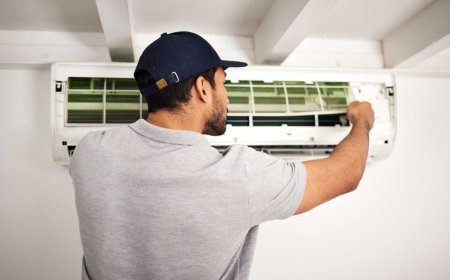
Air conditioning is particularly important in Dubai because cooling systems are used extensively during hot weather. Inspectors may check basic system operation, thermostat response, airflow, and visible concerns around accessible components.
Unusual noises, weak airflow, or water around an indoor unit may indicate a maintenance issue. Detailed testing, internal cleaning, or refrigerant diagnosis may require an HVAC specialist.
3. Why Is Home Inspection Important in Dubai?
Dubai's climate, construction styles, and property conditions make regular maintenance essential. High temperatures, dust, humidity, and frequent cooling-system use can affect seals, finishes, and mechanical equipment.
Identify Problems Before Completing a Purchase
A short property viewing rarely provides enough time to examine every important component. An inspection allows buyers to look beyond decoration and focus on the condition of the home.
For example, a freshly painted room may conceal old water stains. An inspector may notice discoloration, damaged sealant, or other visible signs that justify further investigation.
When defects are documented before the transaction is completed, buyers can discuss repair responsibilities with the seller or reconsider the purchase based on the findings.
Understand Potential Repair Expenses
A home inspection can help identify maintenance work that may need immediate attention. This information is useful when preparing a realistic property budget.
However, an inspection report does not always include exact repair costs. For major defects, obtain written estimates from suitable contractors before deciding how to proceed.
Check Newly Completed Properties
New construction does not automatically mean every fixture and finish is perfect. A newly completed home may have loose handles, scratched surfaces, poorly fitted doors, damaged tiles, or incomplete sealant.
A pre-handover inspection helps buyers document visible issues and follow the developer's procedure for requesting corrections.
4. When Should You Arrange a Home Inspection?
Before Buying a Resale Home
Arrange an inspection before finalizing the purchase whenever possible. Ask for a written report that explains the findings and identifies areas that could not be checked.
If the report identifies significant concerns, arrange specialist assessments and review repair estimates before making a final decision.
Before Accepting a New Property
A pre-handover inspection can help identify finishing defects and accessible installation problems. Take photographs of the findings and keep a copy of the report for communication with the developer.
Follow the applicable handover process and check any relevant contractual deadlines for reporting defects.
Before Renting a Property
Landlords and tenants can document the property's condition before occupancy. Recording existing scratches, damaged fixtures, stains, and other visible problems helps establish a clear starting point for the tenancy.
Both parties should retain copies of the inspection records and photographs.
Before Selling a Property
An inspection can help sellers identify maintenance concerns before marketing their home. Resolving visible defects may make the property easier to present and reduce avoidable surprises during buyer discussions.
5. How to Choose a Reliable Inspection Company
Selecting an inspection provider involves more than comparing prices. The scope, experience, and quality of the report all affect the usefulness of the service.
Review Experience and Qualifications
Ask about the inspector's experience with the relevant property type. If you are purchasing a large villa, for example, confirm that the provider has experience inspecting villas and their accessible external areas.
For suspected structural, electrical, or mechanical problems, ask whether the issue falls within the inspector's expertise or requires a specialist.
Confirm What the Service Covers
Request a written checklist before booking. Confirm whether the inspection includes plumbing, electrical fittings, air conditioning, windows, doors, kitchens, bathrooms, and outdoor spaces.
You should also ask about inaccessible areas, specialist testing, and services that cost extra.
Examine a Sample Report
A useful report should clearly describe defects, show their locations, and include photographs where appropriate. It should explain inspection limitations and identify concerns that may need further investigation.
Avoid relying on a report that simply labels a property as good or bad without explaining the evidence.
Compare Quotes Fairly
Inspection fees can vary with property size, location, service depth, and reporting requirements. Compare what each provider includes rather than selecting a service solely because it is cheaper.
6. Practical Benefits of Home Inspection Dubai
A properly conducted inspection offers several useful benefits:
-
Better purchase decisions: Buyers receive information about visible defects before committing to a property.
-
Maintenance planning: Owners can identify repairs and organize them according to urgency.
-
Improved budgeting: Findings help owners seek relevant contractor quotations.
-
Clearer documentation: Photographs and written observations provide a record of the property's condition.
-
Better handover preparation: Buyers can document visible defects before accepting a newly completed home.
-
More informed negotiations: Documented concerns can support discussions with sellers, depending on the transaction terms.
To get the most value from an inspection, read the full report, ask questions about unclear findings, and follow up on important concerns.
7. Common Challenges and Considerations
Hidden Defects
Some defects remain concealed behind walls, beneath floors, or inside inaccessible systems. A standard visual inspection may not reveal them.
If there are signs of water penetration, unusual cracking, or persistent drainage problems, ask whether specialist testing is appropriate.
Limited Access
Furniture, locked rooms, stored items, and blocked service panels can restrict inspection access. Preparing the property before the appointment can help the inspector examine more areas.
Understanding Defect Severity
Not every issue needs the same response. A scratched cabinet door is generally different from active leakage or a potentially unsafe electrical fitting.
Ask the inspector to explain which findings need prompt attention, which require further assessment, and which can be addressed through routine maintenance.
Repair and Follow-Up Costs
Inspection fees usually cover the agreed assessment and report, not every repair or specialist test. Budget separately for contractor visits, additional investigations, and necessary maintenance.
8. Frequently Asked Questions
1. What is included in Home Inspection Dubai services?
Services commonly include visible building finishes, doors, windows, plumbing fixtures, electrical fittings, air conditioning operation, kitchens, bathrooms, and accessible external areas. The exact checklist varies by provider.
2. Should I arrange an inspection before buying a home?
Yes. An inspection can help you identify visible defects, understand possible maintenance needs, and make a more informed purchase decision before completing the transaction.
3. How long does a home inspection take?
The duration depends on the property's size, condition, accessibility, and inspection scope. A large villa generally requires more time than a small apartment. Ask the provider for an estimate when booking.
4. Does a new property need an inspection?
A new property can still have finishing defects or installation problems. A pre-handover inspection helps document visible concerns so they can be reported through the appropriate process.
5. Can an inspection identify every defect?
No. Inspectors generally assess visible and accessible components. Hidden problems may require specialist testing, and some defects may only become apparent after the property is occupied.
9. Conclusion
Home Inspection Dubai services provide valuable information for anyone buying, owning, renting, or selling residential property. By examining accessible building components and documenting visible defects, an inspection helps people understand a home's condition and plan appropriate next steps.
Before booking, compare providers based on experience, inspection scope, and report quality. Review the findings carefully, obtain repair estimates for significant defects, and arrange specialist assessments when needed. These practical steps can help you manage maintenance costs, reduce uncertainty, and make property decisions with greater confidence.
What's Your Reaction?
 Like
0
Like
0
 Dislike
0
Dislike
0
 Love
0
Love
0
 Funny
0
Funny
0
 Angry
0
Angry
0
 Sad
0
Sad
0
 Wow
0
Wow
0