





















Everything You Need to Know About Shrimp Boxes
Learn about shrimp packaging, from cardboard shrimp boxes to custom shrimp boxes. Get tips to protect freshness, cut costs, and grow your US seafood brand.

Americans love shrimp. According to the National Fisheries Institute, each person ate about 5.10 pounds of shrimp in 2023. That makes shrimp the most popular seafood in the country. Demand stays strong, too. In 2025, the US imported 795,641 metric tons of shrimp worth $7.03 billion. Peeled frozen shrimp made up more than half of that volume. So every one of those pounds needs a safe box to travel in. Shrimp boxes protect food, support your brand, and shape how buyers see your product. For example, a crushed or leaking box can ruin a sale in seconds. Meanwhile, a clean, strong box builds trust before the customer even opens it. Whether you ship fresh, frozen, or cooked shrimp, the right box matters.
Shrimp Packaging Keeps Seafood Fresh and Safe
Shrimp spoils fast, so cold control comes first. Clemson University experts say a true freezer should hold 0°F or lower. They also note that raw shrimp lasts just two to three days in a refrigerator. Because of this short window, your box must protect the product at every step. Good shrimp packaging blocks warm air, resists moisture, and cushions each bag or tray.
For instance, a weak box can crush bags and cause leaks during transit. Likewise, a poor seal lets warm air in and speeds up freezer burn. Thin walls also let heat reach the shrimp quickly. Cold packs and liners work best inside a sturdy outer shell. In fact, the outer box does most of the heavy lifting. It stacks safely in trucks, resists damp conditions, and keeps the load stable. As a result, your customers get shrimp that looks fresh, tastes great, and stays safe to cook.
Shrimp Boxes Come in Several Useful Styles
Not every shrimp product needs the same box. Fresh shrimp, frozen shrimp, and cooked shrimp each have different needs. For example, frozen shrimp needs strong walls and cold insulation. Fresh shrimp needs leak control and ice protection. Breaded or cooked shrimp often ships in lighter retail packs. So the right style depends on your product and your route. Besides that, size and weight also shape your choice. Many US brands use more than one type of shrimp packaging.
A seafood company might ship bulk cases to restaurants. At the same time, it might sell smaller boxes to grocery shoppers. Because of this mix, cardboard shrimp boxes remain a popular choice. They adapt to nearly every size and shipping method. Also, they work well with liners, ice packs, and inner trays. Choosing early saves money, because a bad fit leads to damage and returns. Next, review the common styles below.
- Shipping cartons: Strong outer boxes that carry bulk or frozen shrimp on long routes.
- Wax-coated boxes: Moisture-resistant boxes that handle ice and wet conditions.
- Insulated shippers: Boxes with foam or paper liners that hold the cold longer.
- Retail folding cartons: Printed boxes that hold bags or trays on store shelves.
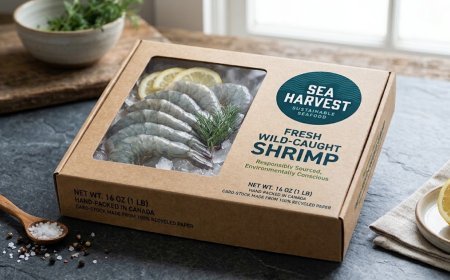
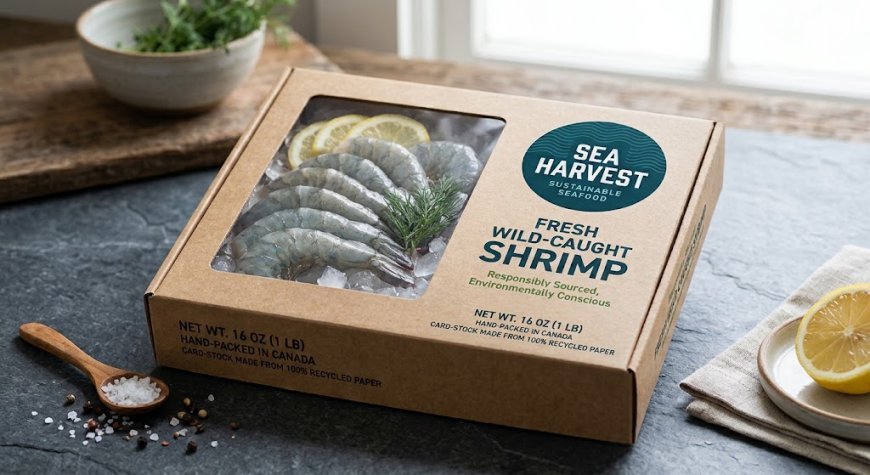
- Window display boxes: Boxes with clear cutouts that show the shrimp inside.
- Mailer boxes: Compact boxes that ship direct-to-consumer orders.
Cardboard Shrimp Boxes Offer Clear Benefits
Cardboard shrimp boxes give brands a smart balance of strength, cost, and sustainability. Cardboard is light, so it keeps shipping costs down. Corrugated cardboard offers strong protection when workers stack boxes high. It accepts sharp printing for logos and handling notes. A simple brown box signals fresh, honest food. You can store flat boxes before use, which saves warehouse space. Recycling adds another win.
The American Forest & Paper Association reports a 2023 cardboard recycling rate between 71 and 76 percent. Shoppers appreciate packaging they can toss in the recycling bin. Even so, cardboard needs extra moisture protection for wet products. Brands often add a food-safe wax coating or liner. That small step keeps the box firm when ice melts. Ask your supplier whether the coating suits local recycling programs. Overall, cardboard shrimp boxes protect your product, please your customers, and fit most budgets.
Custom Shrimp Boxes Help Your Brand Stand Out
Stock boxes work, but they rarely fit your product perfectly. Custom shrimp boxes solve that problem. You choose the size, strength, and print to match your shrimp. A snug fit stops bags from sliding and breaking. In turn, you cut damage claims and refunds. Custom cardboard boxes also let you add your logo, colors, and story. So every delivery acts like a small ad. For instance, a bold logo on the lid helps buyers remember your name. Printed handling notes, such as “Keep Frozen,” guide workers and carriers. On top of that, you can add cooking tips, QR codes, or recipe cards. Those extras make customers feel cared for. Smaller boxes can lower freight costs, because carriers charge by size and weight. Better yet, a custom fit also cuts empty space and wasted material. Shrimp boxes turn a basic shipping need into a real marketing tool.
Look for These Key Features in Shrimp Boxes
Strong features separate a good box from a costly mistake. Before you order, test how the box handles cold, moisture, and weight. Ask your supplier for samples and run a real shipping trial. For example, pack the box with frozen shrimp and cold packs. Then leave it in a warm room for several hours. Check for soft walls, leaks, or crushed corners. Next, stack three or four filled boxes to test strength. Use the results to adjust wall strength, liner type, and box size. Small tests now prevent big losses later. Since US routes can take days, build in extra protection. Summer shipments need more insulation than winter ones. Likewise, long routes need stronger walls than local deliveries.
A cheaper box that fails costs more than a better box that holds. The right box does not have to break your budget. Here are the features worth checking first:
- Moisture resistance: A coating or liner keeps melting ice from softening the walls.
- Wall strength: Thicker or double-wall cardboard holds up under heavy stacks.
- Food-safe materials: Inks, coatings, and liners must suit food contact.
- Insulation space: The box leaves room for liners, foam, or cold packs.
- Secure closure: Tight flaps, tape, or tabs keep the lid shut in transit.
- Right size: A snug fit limits movement and saves on freight.
Choose the Right Custom Cardboard Boxes for Shrimp
Picking a shrimp packaging supplier takes a few simple steps. List your product type, weight, and shipping distance. Decide how cold the box must stay and for how long. Then ask each supplier about food-safe materials and coatings. Order samples before you place a big order. After that, test them in real shipping conditions.
Review FDA labeling rules early. Shrimp is a major food allergen, so labels need clear allergen statements. Plan your artwork space with those rules in mind. Beyond that, compare minimum order sizes, turnaround times, and shipping costs. Small brands often prefer low minimums, while large brands want steady bulk supply. For instance, ask how fast the supplier can reorder when your sales grow. Finally, ask for a design proof.
You can approve the look before printing. A good supplier answers questions fast and explains every option. Because of that, you can order custom cardboard boxes with confidence.
Smart Design Makes Shrimp Packaging Sell More
Design shapes first impressions, especially in a crowded freezer aisle. Shoppers decide fast, so your box must show quality in seconds. Remember, shoppers judge freshness by what they see on the outside. Start with a clear image of the shrimp. Photos of cooked, ready-to-eat shrimp often catch the eye. Then use calm colors like blue, white, and soft gray. These shades suggest cold, clean seafood.
Keep the text short and easy to read. List the size, count, origin, and cooking tips in a simple layout. Include recycling symbols if your box qualifies, too. For online orders, add a QR code that links to recipes or a thank-you page. Even the inside matters, so keep it clean and neat. A tidy unboxing moment encourages photos and reviews. As a result, strong design brings new customers and keeps old ones. Above all, keep your shrimp packaging clear, honest, and consistent.
Final Thoughts on Choosing Shrimp Packaging Boxes
Shrimp packaging does much more than hold your product. It protects freshness, guards against damage, and tells your brand story. Since demand for shrimp stays high, smart box choices matter more each year. Custom cardboard boxes give you strength, low weight, and easy recycling. Plus, custom shrimp boxes give you the exact fit and look your brand needs. After all, every shipment carries your brand name to a customer’s door.
A strong box shows buyers that you care about quality. Even small upgrades, like better liners, can cut damage fast. So start by mapping your product, route, and budget. Order samples and check every detail. Then pick a supplier that answers questions and meets deadlines. Last, keep your design clean, clear, and honest. Over time, these choices reduce waste and build customer trust. In short, the right box helps your shrimp arrive fresh, safe, and ready to sell.
What's Your Reaction?
 Like
0
 Dislike
0
 Love
0
 Funny
0
 Angry
0
 Sad
0
 Wow
0