






















What Is the Fastest Growing Grass Seed for a New Lawn?
fast growing grass seed

Picture this. The builders have finally gone, the new patio looks great, and the garden is a sea of churned up mud with a few abandoned bricks sticking out of it. You've got a family get together in eight weeks and you'd really like something green to stand on. So what do you sow? The short answer is perennial ryegrass. It's the quickest of the common UK lawn grasses, and any decent fast growing grass seed mix will be built mostly around it. That's why people reach for it when they need a lawn to appear without a long wait.
Why Perennial Ryegrass Wins the Race
Ryegrass has a very short fuse. Given moist soil and mild temperatures, the first green spikes can show in about a week, and a thin carpet usually follows within two or three weeks. Other lawn grasses, fescues and bents especially, take their time. They're lovely and fine textured, but they're not in a hurry. Ryegrass is also tough under foot, which suits a lawn that's going to be used rather than admired from the kitchen window. It recovers well after a game of football or a dropped paddling pool. Honestly, that mix of speed and toughness is why most quick lawn blends lean on it so heavily.
What a Good Mix Looks Like
Not every bag is pure ryegrass, and you wouldn't always want it to be. Some mixes add a bit of fine fescue to give a softer, more even look once things settle down. The ryegrass does the early work, covering the soil and blocking weeds, while the slower grasses fill in behind it. When you're choosing, check the label for the grass types and look for seed sold for new lawns rather than a general repair mix. Ransley Pro Grow has supplied grass seed since 1951, and the family business sells blends for different jobs, so it's worth matching the bag to what your garden actually needs rather than just grabbing the first one.
Getting the Ground Ready Matters More Than You Think
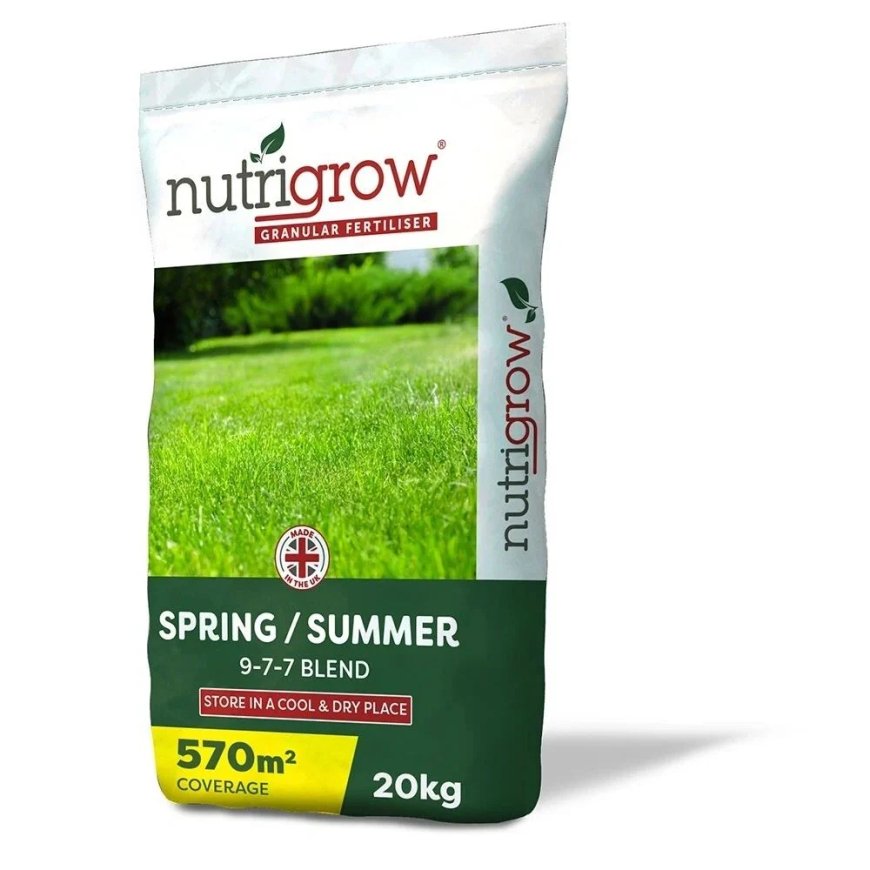
Here's something plenty of people learn the hard way. The seed isn't the only thing deciding how quickly you get a lawn. Say you scatter even the best fast growing grass seed onto hard, compacted builder's rubble. A few blades might appear, then the whole thing struggles. Rake the soil to a fine, crumbly surface, clear the stones, and firm it lightly by walking over it in small steps. Sow evenly, then rake the seed in gently so birds don't have a free lunch. A starter fertiliser helps young roots get going. If you're not sure how much seed you need, the free calculators on the Ransley Pro Grow site can work out the amount for your area.
Timing, Watering and Patience
Sow in spring or early autumn, when the soil is warm enough and rain is likely to help you out. Keep the surface damp, not soaked, and don't let it dry out during the first few weeks. A quick sprinkle morning and evening beats one heavy drenching. Fast doesn't mean instant, and the first mow should wait until the grass is tall enough to cope, usually around 5 to 7cm, with the blades set high. Anyway, resist the urge to prod at it every day. A lawn that looks patchy at week two often looks perfectly fine by week five.
Conclusion
For a new lawn, a ryegrass led blend is the quickest route to green, and a good fast growing grass seed mix gives you speed without losing toughness. Prepare the soil properly, sow at the right time, and water gently. If you're stuck on choosing or quantities, Ransley Pro Grow's lawn assessment tool and calculators are free to use, and their seed arrives quickly anywhere in the UK. Then it's just a matter of waiting, and maybe keeping the dog off it for a bit.
What's Your Reaction?
 Like
0
 Dislike
0
 Love
0
 Funny
0
 Angry
0
 Sad
0
 Wow
0