

























How Can Businesses Select Reliable Hydrant Accessories for Safety?
Material quality is one of the most important factors when selecting firefighting equipment.
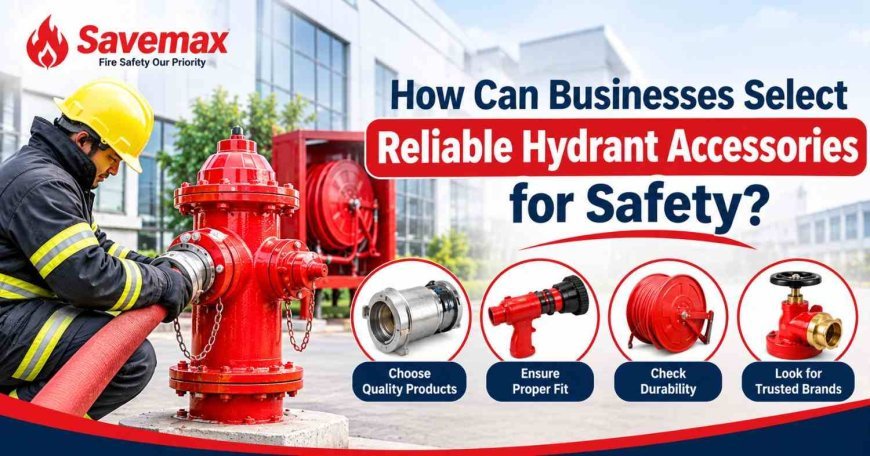
Fire safety is an important responsibility for every business, whether it operates a factory, warehouse, office, shopping centre, or commercial building. A properly maintained fire protection system helps control emergencies and protects employees, visitors, equipment, and property. While fire hydrants provide an essential water supply during firefighting operations, their performance also depends on selecting the right hydrant accessories. Businesses should understand their requirements and choose reliable equipment that supports quick and effective fire response.
1. Understand Your Business Fire Safety Requirements
Before purchasing fire protection equipment, businesses should evaluate their building size, working environment, fire risks, and available water supply. Different workplaces have different safety requirements. For example, factories may need heavy-duty firefighting equipment, while offices may require a suitable combination of hydrant systems and portable fire safety products.
A proper risk assessment helps businesses identify the type and quantity of equipment needed. It also ensures that the selected hydrant accessories are suitable for the building's fire protection arrangements and emergency response requirements.
2. Check the Quality of Materials
Material quality is one of the most important factors when selecting firefighting equipment. Hydrant components are frequently exposed to water, changing weather conditions, pressure, and regular handling. Poor-quality materials may develop corrosion, leakage, or damage over time.
Businesses should look for accessories manufactured using durable materials that can withstand the intended operating conditions. Components should have a strong construction and reliable connections. Checking product specifications and manufacturer information can help buyers understand whether the equipment is suitable for long-term use.
3. Select the Right Types of Hydrant Accessories
A complete hydrant arrangement may include several components that support water delivery and firefighting activities. Common examples include fire hoses, hose boxes, branch pipes, nozzles, landing valves, hose couplings, and other connecting equipment.
Each component performs a different function during an emergency. For example, fire hoses transport water, while nozzles help control the direction and flow of water. Businesses should ensure that all selected components are compatible with their existing hydrant system.
Choosing the right combination of equipment makes emergency operations more organised and helps firefighting teams respond effectively.
4. Verify Product Standards and Safety Compliance
Safety compliance should never be ignored when purchasing firefighting equipment. Businesses should check whether products meet applicable Indian Standards, relevant fire safety requirements, and project specifications.
Buyers should also request product documentation, technical details, and available quality certificates from suppliers. These documents help verify important information about manufacturing quality, pressure ratings, material specifications, and product suitability.
Selecting compliant hydrant accessories helps businesses maintain a dependable fire protection arrangement and supports their overall workplace safety responsibilities.
5. Consider Compatibility with Existing Fire Systems
Not every firefighting component is suitable for every hydrant installation. Differences in connection sizes, pressure requirements, and equipment specifications can create problems during installation and operation.
Before purchasing new products, businesses should check the specifications of their existing fire hydrant network. Hose couplings, valves, nozzles, and other components should match the system requirements.
Professional guidance can help organisations avoid compatibility issues and select equipment that works properly with their existing fire safety infrastructure.
6. Choose a Reliable Supplier
A dependable supplier plays an important role in maintaining workplace fire safety. Businesses should consider suppliers that provide clear product information, consistent quality, technical assistance, and after-sales support.
It is useful to compare product specifications, material quality, warranty conditions, and customer service before making a purchase. Buyers should avoid selecting equipment based only on the lowest price because unreliable products may increase maintenance requirements and create safety concerns.
Savemax focuses on fire safety equipment and solutions that help businesses understand their protection requirements. Exploring suitable products from an experienced supplier can make the selection process more informed and organised.
7. Include Portable Fire Extinguishers in Your Safety Plan
A hydrant system is an important part of commercial fire protection, but businesses should not depend on it as their only safety measure. A portable fire extinguisher provides an additional method of responding to smaller fires during their early stages.
Different extinguishers are designed for different fire classes, so businesses should select suitable types according to the materials and potential fire hazards present at their premises. Employees should also receive basic training on extinguisher operation and emergency procedures.
Combining appropriate hydrant equipment with portable extinguishers creates a more complete approach to workplace fire safety.
8. Focus on Regular Inspection and Maintenance
Even high-quality firefighting equipment needs regular inspection. Over time, hoses may develop cracks, valves may become difficult to operate, and connections may experience wear and tear. Such problems can affect equipment performance during emergencies.
Businesses should establish a maintenance schedule based on applicable fire safety requirements and manufacturer recommendations. Inspections should cover the physical condition, accessibility, connections, and operational readiness of the equipment.
Regular maintenance helps identify problems early and ensures that firefighting systems remain ready for use when required.
Conclusion
Selecting reliable firefighting equipment requires careful planning, quality checks, and an understanding of workplace risks. Businesses should consider material durability, product compatibility, safety standards, supplier reliability, and maintenance support before purchasing hydrant accessories. They should also include suitable portable fire extinguishers in their overall protection plans.
With proper equipment selection and regular inspection, organisations can strengthen their fire safety arrangements. Savemax helps businesses explore fire protection solutions that support safer workplaces and more organised emergency preparedness.
What's Your Reaction?
 Like
0
 Dislike
0
 Love
0
 Funny
0
 Angry
0
 Sad
0
 Wow
0