





















How Solar Panels Installation in Melbourne Works
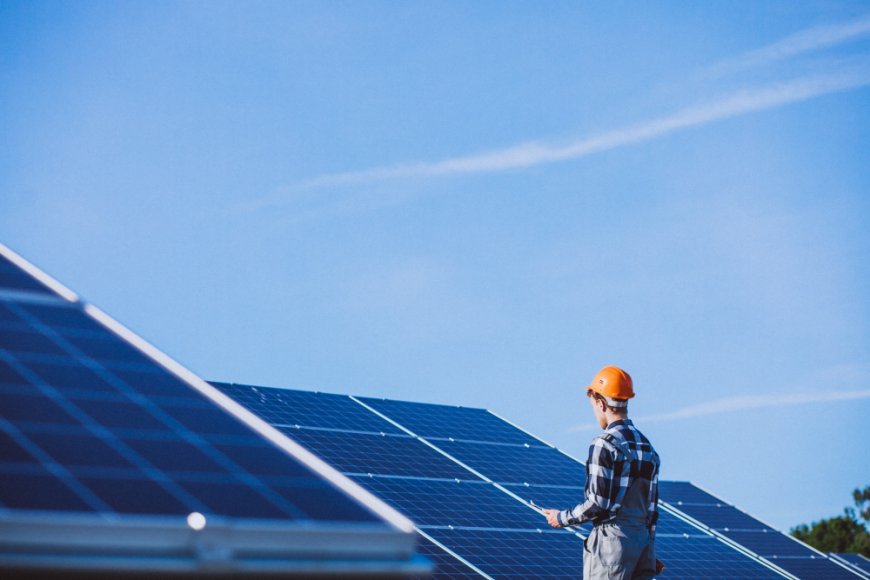
Solar power has become a practical choice for many Melbourne homeowners looking to generate electricity from the sun. With plenty of sunny days throughout the year, a well-designed solar system can turn unused roof space into a source of renewable energy. But what actually happens when you decide to install solar panels? Understanding the process can make the experience feel much simpler and more straightforward.
The Solar Panels Installation melbourne process generally begins with an assessment of your home, roof, electricity usage and energy goals. Every property is different, so the right solar system depends on several factors, including roof orientation, available space, shading and your typical electricity consumption. A proper assessment helps determine how the system can work with your home rather than simply placing panels wherever there is room.
Assessing Your Home and Roof
Before installation begins, the property needs to be carefully assessed. The roof is checked for its condition, available space, orientation and angle. Areas affected by nearby trees, buildings or other objects may receive less sunlight during parts of the day, which can influence where the panels should be positioned.
Your household's electricity usage is also important. A home with higher daytime electricity consumption may have different requirements from a household that uses most of its electricity in the evening. Looking at previous electricity usage provides a clearer picture of how much solar generation may be suitable.
Designing the Solar System
Once the property has been assessed, the solar system can be designed around the home's individual requirements. The design considers the number and placement of panels, inverter location, cabling and other electrical components.
A good design is about more than covering the roof with panels. The system should make sensible use of available sunlight while fitting safely and neatly with the property. Melbourne's changing weather conditions also make thoughtful system planning important, as solar generation naturally varies between sunny, cloudy and rainy days.
Preparing for Installation
After the system design is confirmed, the installation process can be organised. Any required electrical and grid-related requirements need to be addressed before the physical work begins.
The installation team prepares the roof and checks that the mounting locations are suitable. Safety is an important part of this stage because panels and electrical equipment need to remain secure and properly connected throughout the life of the system.
Installing the Solar Panels
The panels are then mounted in the planned positions on the roof. They are connected through electrical cabling, which carries the electricity generated by the panels towards the inverter.
The panels generate direct current electricity when sunlight reaches their surface. Because most household appliances use alternating current, the inverter plays an important role by converting the electricity into a form that can be used around the home.
The positioning and wiring need to be completed carefully so the system operates reliably and remains protected from Melbourne's changing weather conditions.
Connecting the Inverter and Electrical System
The inverter is connected to the home's electrical system and becomes an important part of managing the electricity produced by the panels. Depending on the setup, solar electricity can be used by appliances in the home while excess generation may be sent to the electricity grid.
The electrical connections are checked to make sure the system has been installed correctly. Safety checks and required approvals are also part of completing the installation process.
Connecting to the Electricity Grid
For a grid-connected solar system, the property needs to be connected appropriately to the electricity network. The relevant requirements depend on the property and local electricity network arrangements.
Once the necessary connection process has been completed, the solar system can begin generating electricity for the household. Any surplus electricity that is not being used at the time may be exported to the grid, depending on the system and electricity plan.
Monitoring Your Solar System
After installation, monitoring helps you understand how the system is performing. Many modern solar systems provide monitoring information through an online platform or mobile application.
You can often see how much electricity the panels are generating and how the system is performing over time. This can make it easier to notice changes in production and understand how your household uses solar energy throughout the day.
Making the Most of Solar Energy
Solar panels work best when the electricity they generate is used thoughtfully. Running suitable household appliances during periods of strong solar generation can help make better use of the electricity produced by the system.
Over time, you can become familiar with your home's energy patterns and adjust everyday habits accordingly. With the right system design, professional installation and sensible energy use, solar can become a natural part of everyday life in a Melbourne home.
What's Your Reaction?
 Like
0
 Dislike
0
 Love
0
 Funny
0
 Angry
0
 Sad
0
 Wow
0