






















Laser Cleaning Machine: Modern Solutions for Industrial Surface Preparation
Surface cleaning is an essential process in many industries, including automotive manufacturing, metal fabrication, construction, and equipment maintenance

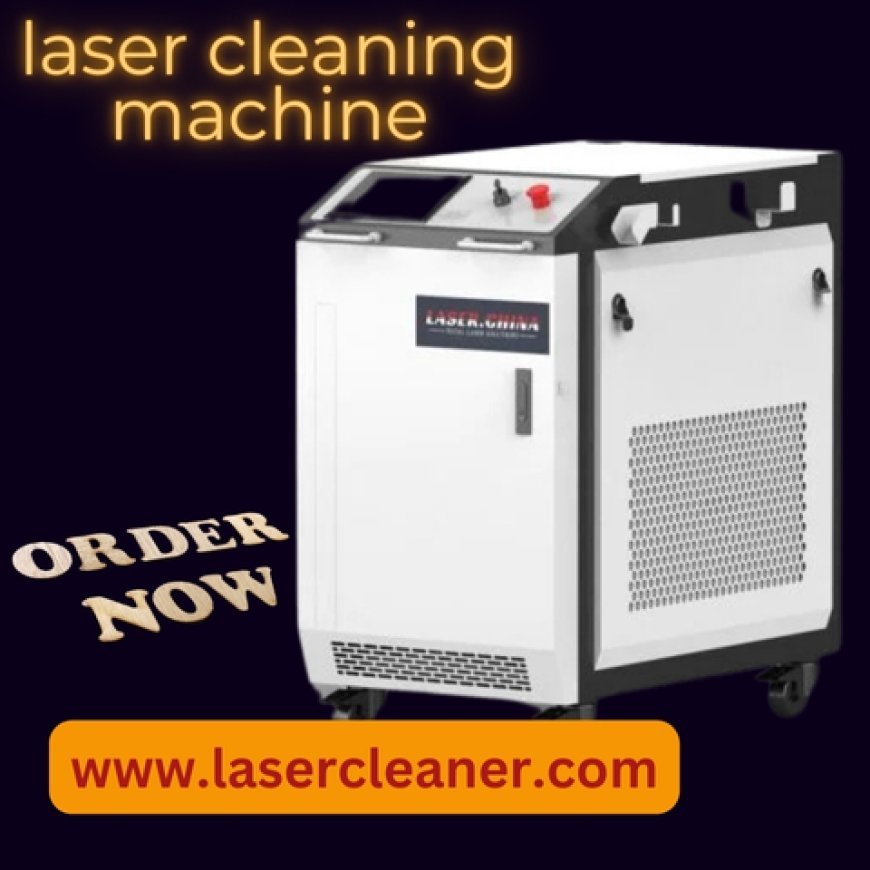
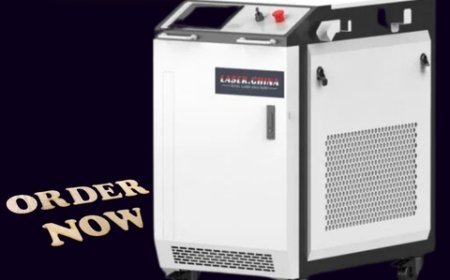
Surface cleaning is an essential process in many industries, including automotive manufacturing, metal fabrication, construction, and equipment maintenance. Traditional cleaning methods often involve chemicals, abrasive materials, or manual labor. As industrial technology continues to develop, laser-based solutions are becoming an important option for removing unwanted materials from different surfaces. A laser cleaning machine uses concentrated laser energy to remove rust, paint, oil, oxidation, and other contaminants from metal and selected non-metal surfaces.
Businesses looking for reliable surface preparation equipment are increasingly exploring laser cleaning technology to improve their production processes and maintain consistent cleaning standards.
Understanding Laser Cleaning Technology
Laser cleaning is a process that uses a focused laser beam to interact with unwanted substances on a material's surface. When the laser energy reaches the contaminated area, it causes the unwanted layer to separate from the base material through controlled physical processes.
The cleaning process can be adjusted according to the material, contamination level, and required surface condition. Operators can select suitable laser settings to handle different applications, making this technology useful for various industrial environments.
Unlike conventional cleaning processes that may require direct contact with the surface, laser cleaning can be performed without using abrasive blasting materials or chemical cleaning agents.
Common Industrial Applications
Laser cleaning technology is used across several industries where surface preparation and maintenance are important.
Rust Removal: Metal components exposed to moisture and environmental conditions can develop rust over time. Laser cleaning helps remove rust from metal sheets, machinery parts, steel structures, and automotive components.
Paint and Coating Removal: Manufacturing and restoration projects frequently require the removal of old paint or protective coatings. Laser systems can target unwanted layers before repainting, welding, or further processing.
Oil and Grease Cleaning: Industrial machinery and metal components can accumulate oil, grease, and other residues during production. Laser cleaning can help prepare these surfaces for maintenance and additional manufacturing operations.
Mold Cleaning: Manufacturing molds often collect deposits and residues after repeated production cycles. Laser technology can be used to clean suitable mold surfaces while helping maintain their original condition.
Oxidation Removal: Metal surfaces may develop oxidation during storage, handling, or manufacturing. Laser cleaning provides a controlled approach to removing these unwanted surface layers.
Types of Laser Cleaning Equipment
Different production requirements call for different equipment configurations. Understanding the available options helps businesses select suitable machinery.
Handheld laser cleaning systems are commonly considered for workshops, maintenance operations, and projects involving different component shapes. Their portable design allows operators to work on specific areas and larger structures.
Automated laser cleaning systems are suitable for production environments where repetitive cleaning operations are required. They can be integrated into manufacturing lines and programmed for consistent processing.
Pulsed laser cleaning systems are often selected for applications that require controlled energy delivery and precise surface treatment. Continuous-wave systems are also available for certain industrial cleaning applications where suitable operating conditions can be maintained.
Factors to Consider Before Purchasing
Selecting the right equipment requires an understanding of the actual cleaning requirements. Businesses should first identify the materials they regularly process and the types of contaminants they need to remove.
Laser power is another important consideration because different contamination levels and surface materials may require different operating parameters. Cleaning speed, working area, portability, and available automation options should also be evaluated.
It is equally important to review the manufacturer's technical support, training resources, warranty conditions, and availability of replacement components. A practical equipment selection process helps businesses invest in machinery that matches their production requirements.
Workplace Safety and Maintenance
Proper operation is essential when working with industrial laser equipment. Operators should receive appropriate training and follow the manufacturer's safety instructions. Suitable laser safety enclosures, protective eyewear, warning systems, and controlled working areas should be used according to the laser classification and applicable regulations.
Regular maintenance also supports reliable operation. Businesses should inspect optical components, cleaning heads, cooling systems, electrical connections, and protective equipment according to the manufacturer's maintenance schedule.
Final Thoughts
Laser technology is changing how industries approach surface preparation, equipment maintenance, and material restoration. From removing rust and paint to cleaning molds and industrial components, this technology offers a modern approach to handling different surface contaminants.
Choosing the right laser cleaning machine requires careful consideration of material compatibility, cleaning requirements, operating conditions, and workplace safety. By understanding these factors, manufacturers and workshop owners can select suitable equipment for their daily operations and future production needs.
#LaserCleaningMachine #LaserCleaningTechnology #IndustrialCleaning #RustRemoval
What's Your Reaction?
 Like
0
 Dislike
0
 Love
0
 Funny
0
 Angry
0
 Sad
0
 Wow
0