




















Our Step-by-Step Asbestos Abatement Process in Suffolk County, NY
Learn what asbestos abatement in Suffolk County, NY involves, how testing guides the plan, and what to expect before cleanup is verified.
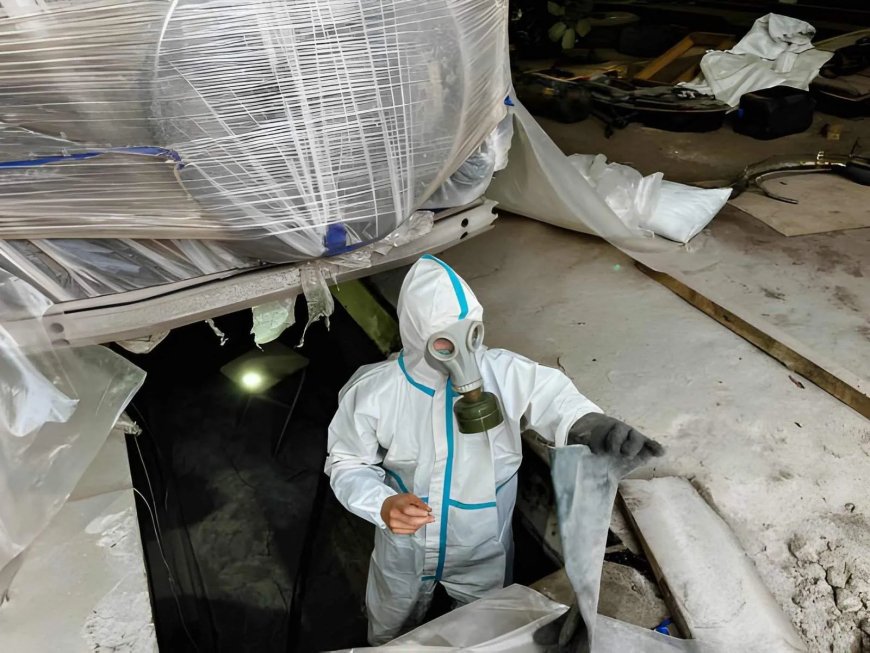
Asbestos abatement in Suffolk County, NY is a controlled process for identifying, isolating, removing, and disposing of asbestos-containing materials without spreading fibers through a property. At Boyle Contracting, we begin with the material and the planned disturbance, not a guess based on its color or age. A careful scope keeps unaffected rooms out of the work zone.
This advice fits homeowners, renters, landlords, and small business owners when repairs may disturb suspect material. Industrial facilities and unusual regulated sites need a separate plan. We look at homes, rentals, and small commercial spaces before work begins, because a crawl space or shared hallway changes the setup. In our experience, the room people worry about is not always where testing belongs.
Before you schedule anything, four points help frame the decision:
-
An old-looking product is not proof; disturbance and testing guide the decision.
-
Occupied homes need a planned route that keeps residents and pets away from controlled space.
-
Containment, cleaning, and verification belong in the written scope, not only in a verbal promise.
-
Some projects need no removal when planned work leaves intact suspect material alone.
Understand Where Asbestos Hazards Hide
Older floor tile, pipe insulation, textured finishes, and cement products are common places to investigate, but appearance alone cannot confirm asbestos. An asbestos-containing material is a building product with asbestos fibers in it. Concern rises when cutting, sanding, drilling, or demolition will disturb that product, so Suffolk County, NY properties need a room-by-room look at the planned work.
Bathroom flooring may sit beneath a newer finish, with old adhesive hidden below, and a wall opening may expose insulation that a visual walk-through missed. A qualified sampling process identifies suspect material before demolition begins. The planned cut matters more than the room label, because a small pipe penetration can disturb material that looked untouched. You can photograph the room from a doorway and note the planned work without touching or scraping a suspect surface. An asbestos inspection focuses on materials tied to the actual renovation, not an automatic demand to remove every older product.
Check Containment Before Disturbing Materials
Before any removal plan, the property needs a written picture of what may be affected, where occupants can go, and how the work area will be separated. Containment is a sealed work zone that limits fiber movement. Its size follows the material, the access route, air movement, and the planned disturbance.
Occupied rentals with shared halls need routes that keep residents away from the work area. A detached house with an unused room gives more room to isolate access, but the path from the entry still matters. Every plan for asbestos abatement in Suffolk County, NY checks vents, doors, stairs, and the distance from the truck before dates are discussed. When air pressure control is part of the plan, negative air equipment pulls air toward filtration instead of the occupied side, and the narrowest doorway often decides where barriers go.
Choose the Right Abatement Option
Abatement is not automatically the best answer for every suspect material. Removal takes the material out; enclosure leaves it behind a durable barrier; management leaves it undisturbed while future work avoids it. The safe choice follows the material's condition and the work planned around it, and sometimes no abatement is needed at all.
A written abatement plan names the material, rooms, boundaries, schedule, waste path, and verification method. It also states what is excluded, so a later surprise does not quietly change the job. Any contractor you hire should answer one direct question: which materials are included, how will occupants be kept away, and what proves the area is ready? If planned work avoids suspect material and a qualified assessment supports leaving it alone, we would rather recommend no abatement than sell removal.
-
Removal: material leaves under a controlled scope, followed by cleaning and verification.
-
Enclosure: a durable barrier stays over the material, with future access recorded.
-
Management: intact material remains when planned work will not disturb it.
Prepare the Home for Controlled Removal
On the scheduled day, preparation happens before any material work. Occupants receive a route and timing plan, movable items leave the work zone, and doors, vents, and nearby surfaces are protected as the scope requires. Occupant protection means keeping people, pets, and belongings out of controlled space. Outdoor work pauses when weather would compromise barriers or runoff control.
Work starts with access control and containment, then material removal, waste packaging, and cleaning. The provider documents regulated waste under the disposal rules that apply to the project. A small room still takes setup time, so the shortest removal is not always the shortest job. The bathroom doorway often controls the schedule because every item and person must pass through the same protected route.
Before the start, the sequence normally looks like this:
-
The work zone and no-entry boundaries are marked for everyone on site.
-
Air movement and ventilation points are addressed before controlled work begins.
-
Removal and packaging follow the written scope without expanding into untouched rooms.
-
Cleaning and a final inspection happen before barriers come down.
Verify Air Clearance Testing Before Normal Use
Cleanup is not proven by a tidy room alone. Verification checks the work area after removal, including visible conditions and any air testing included in the project requirements. Air clearance testing measures airborne fiber levels against the clearance criteria selected for the work, and normal use resumes only after the area passes.
Plastic coming down proves nothing on its own. A final review looks at floors, ledges, corners, equipment, and the route used to leave the work area. Our asbestos testing guide explains how sampling before work differs from the clearance checks that come after it. Our team has seen clean-looking rooms fail a careful review because a ledge or door track was missed.
Honest closeout information names what was tested, what was removed, and what remained outside the scope. A room is ready when the agreed verification supports reentry, not simply when the plastic is gone.
Questions Homeowners Ask Before Asbestos Work
Homeowners usually ask about timing, occupancy, testing, and the choices available before controlled asbestos work begins.
How long does asbestos abatement take in a home?
Small, isolated areas often take one workday, while several rooms take longer because setup, cleaning, and verification repeat for each work zone. Occupancy, access, and testing requirements set the calendar.
Can I stay home during asbestos removal?
Occupants should not stay inside the controlled work area during removal. A provider sets an exit route and a reentry condition, with extra planning for shared heating or ventilation.
Can I remove a small asbestos material myself?
No, do not remove suspect asbestos material yourself. Cutting or breaking it can release fibers, and ordinary dust cleanup does not prove the space is clear. Use a qualified provider for assessment and removal.
Do I need asbestos testing before replacing flooring?
Testing is needed when replacing flooring will disturb suspect tile, adhesive, or underlayment. It may not be needed when the work stays above intact material and the assessment supports no disturbance.
Is asbestos abatement safe for pets?
Pets must leave the controlled area before setup begins. Fur, bedding, food bowls, and open cages make separation harder, so arrange a location outside the work zone for the full project.
What is the difference between asbestos removal and encapsulation?
Removal takes suspect material out, while encapsulation seals its surface with a coating. Enclosure places a separate barrier around it. Each option leaves different future access and maintenance duties.
How can I tell if my popcorn ceiling has asbestos?
You cannot tell by looking at a popcorn ceiling. Texture, color, and age only signal a question; a qualified sampling decision is needed before sanding, scraping, or cutting changes the surface.
What should I ask an asbestos contractor before hiring?
Ask who identifies the material, who handles the waste, what rooms are included, and what evidence supports reentry. A good answer names the people responsible instead of treating every detail as a verbal add-on.
What if asbestos is found after demolition starts?
Work should stop if demolition exposes suspect material outside the planned scope. The area is isolated, the condition is reassessed, and the schedule changes only after the added work is defined.
Is it true that all older homes contain asbestos?
No, older homes do not all contain asbestos. Building age raises the chance of suspect products, but only product-specific assessment and testing can support a removal decision.
Get a Clear Asbestos Work Plan for Your Property
Property owners save time by noting who controls access and whether another contractor will enter the property. Older renovation records help, but missing paperwork does not stop an assessment. Have these details ready:
-
Rooms and surfaces involved, with approximate dates of prior remodeling
-
Whether the property will be occupied during the planned work
-
Photos from doorways and the preferred access window
Boyle Contracting can review your situation and explain whether an asbestos inspection fits the planned work in Suffolk County, NY. Call (631) 424-0007 to discuss the property and the next step.
What's Your Reaction?
 Like
0
 Dislike
0
 Love
0
 Funny
0
 Angry
0
 Sad
0
 Wow
0