



















Air Conditioning Installers Near Me: A Complete Guide to Professional Installation and Year-Round Comfort

Choosing the right air conditioning system is essential for maintaining a comfortable indoor environment, particularly during warmer months. Whether you need cooling for your home, office, commercial premises, or another property, a professionally installed air conditioning system can improve indoor comfort, support better air circulation, and provide reliable temperature control. However, selecting suitable equipment and ensuring correct installation requires careful planning and professional expertise.
Searching for air conditioning installers near me is often the first step towards finding a dependable service provider. Nevertheless, choosing an installer involves more than comparing prices. You should consider technical knowledge, installation experience, equipment suitability, energy efficiency, and ongoing maintenance support. A properly installed system can deliver consistent performance while helping to avoid unnecessary energy consumption and future repair expenses.
This guide explains everything property owners should understand about air conditioning installation, including available systems, installation procedures, important considerations, energy efficiency, and professional maintenance. It also highlights how experienced specialists such as PGAD can help customers make informed decisions about their indoor climate requirements.
Why Professional Air Conditioning Installation Matters
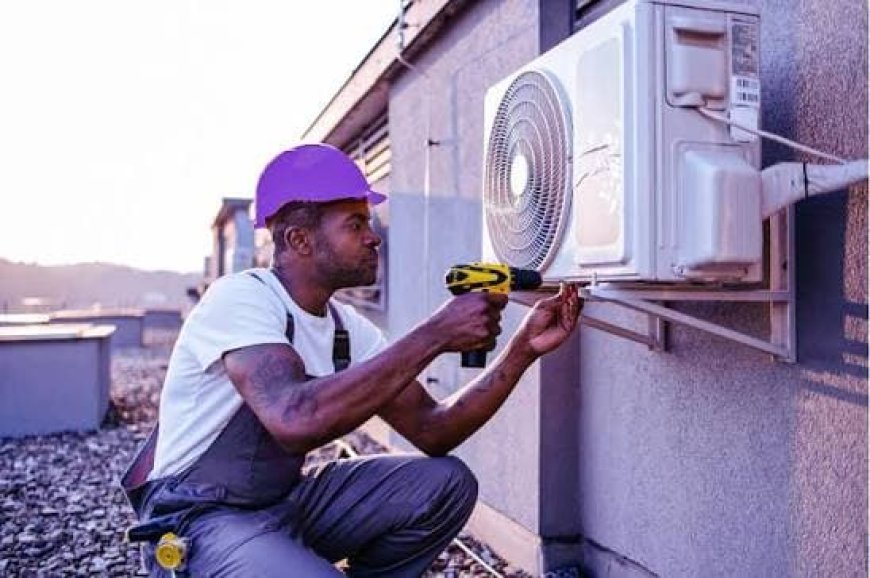
Air conditioning installation is a technical process that requires suitable equipment, accurate measurements, and an understanding of ventilation and electrical requirements. Although different systems have different installation procedures, professional fitting is important for achieving safe and reliable operation.
An incorrectly installed unit may experience restricted airflow, refrigerant leaks, drainage problems, electrical faults, or inefficient cooling. These issues can affect performance and potentially increase operating costs.
Professional installation offers several important advantages.
Improved Cooling Performance
Correctly positioning and installing an air conditioning unit allows it to distribute conditioned air more effectively. Installers assess the room layout, cooling requirements, and airflow patterns before deciding where equipment should be positioned.
Consequently, the system can maintain a more consistent indoor temperature without placing unnecessary strain on its components.
Better Energy Efficiency
An appropriately sized and professionally installed system can operate more efficiently than equipment that has been incorrectly selected or fitted. Proper installation helps reduce avoidable energy losses and supports effective temperature control.
Greater System Reliability
Professional installation reduces the likelihood of common problems associated with poor workmanship. Correct electrical connections, secure mounting, suitable drainage, and appropriate refrigerant handling all contribute to dependable operation.
Longer Equipment Lifespan
Air conditioning systems contain several interconnected components that must operate together correctly. Professional fitting helps protect these components from unnecessary strain, supporting long-term reliability when combined with appropriate maintenance.
Different Types of Air Conditioning Systems
Before arranging an installation, it is important to understand the different systems available. The most suitable option depends on property size, room layout, cooling requirements, budget, and intended usage.
Split Air Conditioning Systems
Split systems are among the most commonly installed options for residential and smaller commercial properties. They generally consist of an indoor unit and an outdoor condenser unit connected through refrigerant pipework and electrical connections.
The indoor component distributes cooled air throughout the room, while the outdoor component releases heat outside the building.
Split systems are suitable for:
·
Bedrooms and living rooms.
·
·
Small offices and consultation rooms.
·
·
Individual commercial spaces.
·
·
Home extensions and converted rooms.
·
They are available in different capacities, allowing installers to recommend equipment according to the property's requirements.
Multi-Split Air Conditioning Systems
Multi-split systems connect several indoor units to a single outdoor unit. This arrangement can be useful when multiple rooms require independent temperature control but outdoor space is limited.
For example, a homeowner may want separate cooling arrangements for bedrooms, living areas, and a home office.
Professional planning is particularly important because the outdoor unit must have sufficient capacity to support the connected indoor equipment.
Ducted Air Conditioning Systems
Ducted systems distribute conditioned air through concealed ductwork installed within ceilings, walls, or designated building spaces.
They are often considered for larger residential properties, offices, and commercial buildings where a discreet appearance and centralised temperature control are important.
However, installation requires careful planning, sufficient space, and suitable building infrastructure.
Portable Air Conditioning Units
Portable units offer a temporary cooling option without requiring the same permanent installation work as fixed systems. They generally use an exhaust hose to remove warm air through a suitable opening.
Although convenient for certain situations, portable equipment may not provide the same cooling performance or energy efficiency as an appropriately selected fixed system.
What to Expect During an Air Conditioning Installation
Understanding the installation process helps property owners prepare their premises and know what professional work involves.
When researching air conditioning installers near me, look for professionals who explain the installation process clearly and assess your requirements before recommending equipment.
Initial Property Assessment
The first stage involves evaluating the property and understanding the customer's cooling requirements.
An installer may consider:
·
Room dimensions and ceiling height.
·
·
Number of occupants.
·
·
Window size and orientation.
·
·
Insulation quality.
·
·
Heat-producing appliances.
·
·
Existing electrical infrastructure.
·
·
Available indoor and outdoor installation locations.
·
These factors help determine the appropriate system capacity and installation arrangements.
Choosing the Correct Equipment
Selecting the correct air conditioning unit is essential for efficient performance. An undersized system may struggle to maintain the desired temperature, while an oversized unit can result in inefficient operation and uncomfortable temperature fluctuations.
A professional should consider the property's heat load rather than relying exclusively on room size.
Preparing the Installation Area
Once the equipment has been selected, the installer identifies appropriate locations for indoor and outdoor units.
The preparation stage may involve checking wall strength, access requirements, pipework routes, electrical supplies, and condensate drainage arrangements.
Careful positioning also helps ensure that the equipment remains accessible for future servicing.
Installing and Connecting the System
The installation process depends on the type of air conditioning equipment being fitted.
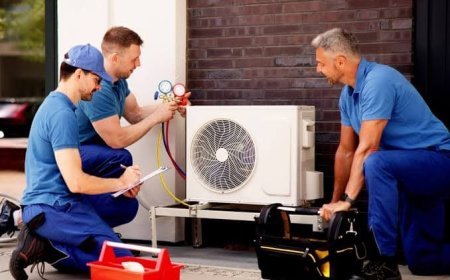
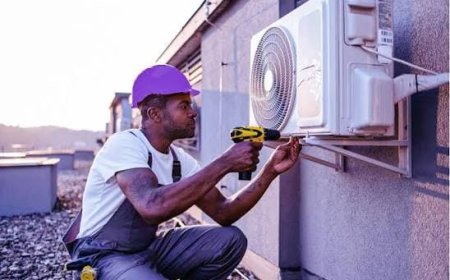
For a typical split system, work may include mounting indoor and outdoor units, installing refrigerant pipework, connecting electrical components, and arranging condensate drainage.
Qualified professionals must follow manufacturer instructions and applicable safety requirements when handling refrigerants and electrical connections.
Testing and Commissioning
After installation, the system should be tested to confirm that it operates correctly.
Commissioning checks may include examining electrical connections, checking refrigerant circuit integrity, assessing drainage, testing operating modes, and verifying airflow.
The installer should also explain the controls and provide guidance on appropriate system operation.
How to Choose a Reliable Air Conditioning Installer
Finding a suitable contractor requires more than selecting the first company appearing in search results. A reliable installer should demonstrate appropriate technical competence, transparent communication, and a commitment to safe working practices.
Check Qualifications and Relevant Experience
Air conditioning installation involves electrical work and refrigerant handling. In the UK, refrigerant-related activities must comply with applicable F-gas requirements.
Where relevant, check whether the contractor and technicians hold the required qualifications, certifications, and registrations for the work being undertaken.
You should also ask about previous experience with the type of system you want installed.
Read Customer Reviews
Online reviews can provide useful information about communication, punctuality, workmanship, and customer service.
Look for consistent feedback rather than relying on a single positive review. Independent customer experiences can help you understand how a contractor handles installation projects and aftercare.
Request a Detailed Quotation
A professional quotation should explain what the installation includes. Depending on the project, it may cover equipment, labour, materials, pipework, electrical requirements, commissioning, and additional work.
Comparing detailed quotations makes it easier to understand differences between providers and avoid unexpected expenses.
Ask About Warranties and Aftercare
Equipment warranties and installation guarantees may differ between manufacturers and contractors.
Before agreeing to the work, clarify the warranty conditions, maintenance recommendations, and arrangements for addressing installation-related problems.
Consider Communication and Professionalism
A dependable installer should answer questions clearly, explain available options, and avoid recommending equipment without understanding the property's requirements.
When evaluating air conditioning installers near me, prioritise contractors who provide realistic advice and explain both the benefits and limitations of different systems.
Factors That Affect Air Conditioning Installation Costs
Installation prices vary because every property and cooling requirement is different. Understanding the main cost factors can help customers prepare a realistic budget.
Type of Air Conditioning System
A basic single-room split system generally involves different installation requirements from a multi-split or ducted system.
More complex arrangements may require additional materials, labour, and planning.
Property Size and Layout
Larger properties may require multiple indoor units or higher-capacity equipment. Similarly, buildings with complicated layouts can require longer pipework routes and additional installation work.
Installation Complexity
Factors such as wall construction, outdoor unit accessibility, electrical upgrades, and drainage arrangements can influence the final quotation.
Equipment Features
Modern air conditioning systems may offer additional features such as inverter technology, programmable controls, smart connectivity, and advanced filtration.
These features can affect the initial purchase price, although some may provide useful long-term benefits.
Additional Electrical or Building Work
Certain installations require improvements to existing electrical supplies, wall penetrations, mounting arrangements, or other building modifications.
A professional assessment helps identify these requirements before work begins.
Energy Efficiency and Environmentally Responsible Cooling
Energy efficiency should be an important consideration when selecting an air conditioning system. A well-chosen unit can provide comfortable indoor temperatures while managing electricity consumption more effectively.
Understand Energy Ratings
Air conditioning equipment is commonly assessed using efficiency indicators such as SEER (Seasonal Energy Efficiency Ratio) for cooling and SCOP (Seasonal Coefficient of Performance) for heating.
Higher efficiency ratings generally indicate better seasonal performance under standardised testing conditions.
Customers should compare equipment specifications rather than assuming that every modern unit offers the same level of efficiency.
Choose Inverter Technology
Inverter air conditioning systems adjust compressor speed according to cooling demand. Instead of repeatedly switching between full operation and complete shutdown, the system can regulate its output.
This approach can improve temperature consistency and reduce electricity consumption compared with some conventional systems.
Use Appropriate Temperature Settings
Setting the thermostat sensibly can help prevent unnecessary energy use. Extremely low temperature settings do not necessarily cool a room faster and may increase running costs.
Keeping doors and windows closed while cooling, using suitable blinds, and maintaining good insulation can also improve performance.
Maintain Clean Filters
Air filters collect dust and airborne particles during normal operation. When filters become blocked, airflow can be restricted and the system may need to work harder.
Following manufacturer cleaning recommendations helps maintain efficient operation.
Common Air Conditioning Installation Mistakes to Avoid
Poor installation decisions can create problems that affect comfort, efficiency, and equipment reliability.
Here are several common mistakes property owners should avoid.
Selecting the Wrong System Capacity
Choosing equipment based only on appearance or price can result in unsuitable cooling performance. A proper assessment should consider heat gain, room dimensions, insulation, and occupancy.
Ignoring Outdoor Unit Placement
Outdoor units require suitable airflow and access for maintenance. Installing them in cramped or poorly ventilated spaces can affect performance.
Overlooking Condensate Drainage
Air conditioning systems generate condensation during cooling. Incorrect drainage arrangements can lead to water leaks, dampness, and property damage.
Choosing Contractors Based Only on Price
The cheapest quotation may exclude important work or fail to provide adequate installation support. It is better to compare the complete service, qualifications, equipment specifications, and warranty arrangements.
Neglecting Future Maintenance
Installation is only one part of owning an air conditioning system. Regular inspection and maintenance are important for identifying developing problems and keeping equipment in suitable working condition.
Why Professional Support Makes a Difference
A successful installation depends on selecting suitable equipment, understanding the property's requirements, and following correct installation procedures.
PGAD recognises the importance of practical advice, suitable equipment selection, and professional workmanship when arranging air conditioning solutions. Customers should receive clear information about installation requirements, expected performance, and ongoing care before making a decision.
Whether cooling is needed for a residential room or a commercial environment, understanding the available options makes it easier to select an arrangement that meets the property's needs.
Professional support also helps customers understand operating controls, recommended maintenance intervals, and the importance of using equipment according to manufacturer guidance.
Frequently Asked Questions About Air Conditioning Installation
How long does air conditioning installation take?
Installation time depends on the system type, property layout, and complexity of the work. A straightforward single-room split installation may take several hours or a working day, while multi-room and ducted installations can take considerably longer.
How do I know what size air conditioning unit I need?
The correct capacity depends on room dimensions, insulation, windows, occupancy, heat-producing equipment, and other environmental factors. A professional heat-load assessment is the most reliable way to determine suitable equipment.
Does air conditioning also provide heating?
Many modern systems use heat pump technology and can provide both cooling and heating. These systems transfer heat rather than generating it through conventional electric resistance heating.
How often should an air conditioning system be serviced?
Service frequency depends on the equipment, usage, manufacturer recommendations, and operating environment. Regular filter cleaning is important, while professional inspections should follow the manufacturer's guidance and applicable requirements.
Is professional air conditioning installation necessary?
Professional installation is strongly recommended for fixed systems because the work can involve electrical connections, refrigerant circuits, mounting, and drainage. Qualified technicians help ensure that installation follows relevant safety standards and manufacturer instructions.
What should I check before hiring an installer?
Check relevant qualifications, refrigerant-handling credentials where applicable, customer feedback, insurance, quotation details, warranty conditions, and experience with your preferred system.
Conclusion
Installing an appropriate air conditioning system can make a significant difference to indoor comfort, temperature management, and everyday living or working conditions. However, achieving reliable results depends on selecting suitable equipment, understanding the property's cooling requirements, and ensuring that every installation stage is completed correctly.
From split and multi-split systems to ducted solutions, different properties require different approaches. Therefore, customers should consider energy efficiency, installation complexity, equipment capacity, professional qualifications, and future maintenance before making a decision.
Searching for air conditioning installers near me is a useful starting point, but choosing a contractor should always involve checking experience, technical competence, transparent pricing, and aftercare support. With careful planning and professional installation, property owners can enjoy dependable cooling and improved indoor comfort.
PGAD aims to help customers make informed decisions about air conditioning solutions by recognising the importance of suitable equipment, professional installation, and reliable customer support. Investing in the right system and proper installation can provide lasting value and a more comfortable indoor environment throughout the year.
What's Your Reaction?
 Like
0
 Dislike
0
 Love
0
 Funny
0
 Angry
0
 Sad
0
 Wow
0