




















Office Cleaners Birmingham: Maintaining a Clean, Healthy and Productive Workplace

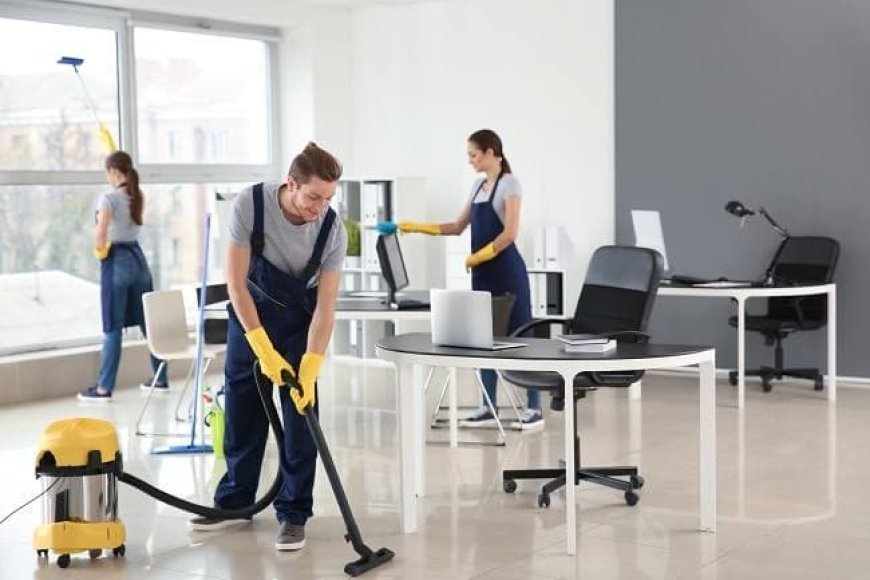
A clean and organised office is essential for creating a professional working environment. Employees perform better when their surroundings are hygienic, comfortable and well maintained. Similarly, clients and visitors are more likely to develop a positive impression of a business when they enter a tidy and fresh workplace. From reception areas and meeting rooms to kitchens, washrooms and shared workstations, every part of an office requires regular attention to maintain appropriate cleanliness standards.
Choosing reliable office cleaners birmingham businesses can depend on is an important step towards maintaining a welcoming and productive workspace. Professional cleaning helps remove everyday dirt, control germs, reduce dust accumulation and keep frequently used areas hygienic. Moreover, a structured cleaning routine allows employees to concentrate on their responsibilities instead of worrying about maintaining the office themselves.
Businesses of different sizes have different cleaning requirements. A small office may need routine dusting, vacuuming and washroom maintenance, whereas larger commercial premises might require more extensive cleaning schedules. Understanding these requirements helps organisations choose suitable services and maintain consistent workplace standards.
Why Is Professional Office Cleaning Important?
Office cleaning involves more than simply making a workplace look attractive. It supports hygiene, employee comfort, workplace safety and the overall presentation of a business. Since offices experience regular foot traffic, dust, fingerprints, food waste and other contaminants can accumulate throughout the day.
Professional cleaning provides a systematic approach to managing these issues.
Creating a Healthier Working Environment
Employees regularly share desks, keyboards, telephones, door handles, meeting tables and other surfaces. These frequently touched areas can collect dirt and microorganisms if they are not cleaned properly.
Regular cleaning and appropriate disinfection help reduce contamination risks. Particular attention should be given to shared equipment, kitchen surfaces, washroom fixtures and other high-contact points.
Furthermore, cleaning floors, carpets and frequently used furniture helps control dust and maintain a more comfortable indoor environment.
Improving Employee Productivity
A tidy workplace can positively influence employee concentration and morale. Cluttered desks, dirty floors and unpleasant odours may create unnecessary distractions.
When the office is consistently maintained, employees can work in a more organised environment. Clean communal areas also encourage staff to take greater care of their surroundings.
Strengthening Your Business Image
First impressions matter in professional environments. Customers, suppliers, potential employees and business partners may judge an organisation partly by the condition of its premises.
A clean reception area, polished floors and hygienic meeting rooms demonstrate attention to detail. Therefore, maintaining professional standards throughout the workplace can help build confidence and trust.
What Services Do Professional Office Cleaners Provide?
Different workplaces require different cleaning solutions. A comprehensive cleaning programme should consider the building layout, number of employees, daily foot traffic and specific operational requirements.
Businesses looking for office cleaners birmingham should understand the services available before selecting a cleaning arrangement.
General Office Cleaning
General office cleaning focuses on maintaining everyday cleanliness throughout the premises. Typical tasks include:
·
Dusting desks, shelves and accessible surfaces.
·
·
Vacuuming carpets and rugs.
·
·
Sweeping and mopping hard floors.
·
·
Emptying waste bins and replacing liners.
·
·
Cleaning internal glass and accessible windows.
·
·
Wiping doors, handles and frequently touched surfaces.
·
·
Removing visible marks from suitable surfaces.
·
·
Keeping shared spaces neat and presentable.
·
These tasks can be scheduled daily, weekly or according to the needs of the workplace.
Kitchen and Breakroom Cleaning
Office kitchens and staff breakrooms require particular attention because they are used for food preparation and consumption.
Cleaning activities may include wiping worktops, cleaning sinks, sanitising suitable food-contact surfaces, removing rubbish and maintaining the cleanliness of dining tables.
Appliances such as microwaves and refrigerators may also require periodic cleaning, depending on the agreed service.
A hygienic kitchen helps prevent unpleasant smells and makes shared facilities more comfortable for employees.
Washroom and Toilet Cleaning
Washrooms are among the most important areas to maintain in any commercial building. Regular cleaning helps support hygiene and creates a more pleasant experience for employees and visitors.
Professional washroom cleaning may include:
·
Cleaning and disinfecting toilets and urinals.
·
·
Washing sinks and taps.
·
·
Cleaning mirrors and dispensers.
·
·
Mopping and sanitising floors.
·
·
Removing waste.
·
·
Refilling agreed consumables, including soap and paper products.
·
·
Checking for visible maintenance issues.
·
A consistent schedule is particularly important in busy workplaces where washrooms experience frequent use.
Carpet and Upholstery Cleaning
Office carpets and upholstered furniture can accumulate dust, debris and everyday stains. Regular vacuuming helps manage surface dirt, while periodic deep cleaning addresses more deeply embedded contamination.
Professional carpet cleaning methods may include hot water extraction, low-moisture cleaning or other techniques selected according to the material and manufacturer's recommendations.
Office chairs, reception seating and fabric-covered furniture should also receive suitable maintenance to preserve their appearance.
Deep Office Cleaning
Routine cleaning maintains everyday standards, but some areas require more detailed attention.
Deep cleaning may involve cleaning difficult-to-reach surfaces, skirting boards, behind accessible furniture, internal glass, detailed washroom fixtures and neglected communal spaces.
Businesses often arrange deep cleaning periodically, during quieter operational periods or before important inspections and events.
How Often Should an Office Be Professionally Cleaned?
The ideal cleaning frequency depends on the nature of the business and how frequently the premises are used. There is no single schedule that works for every organisation.
For example, a small office with limited daily visitors may require fewer cleaning visits than a busy commercial building with multiple departments and shared facilities.
Daily Cleaning Requirements
Daily cleaning is often appropriate for high-traffic workplaces. Important tasks include emptying bins, cleaning washrooms, maintaining kitchens, wiping frequently touched surfaces and vacuuming heavily used floor areas when necessary.
These activities help prevent dirt and waste from accumulating.
Weekly Cleaning Requirements
Some detailed cleaning activities can be included in a weekly programme. These may involve cleaning internal glass, dusting less frequently used surfaces, maintaining meeting rooms and giving additional attention to corners and accessible furniture.
Monthly and Periodic Cleaning
Monthly or periodic cleaning can address tasks that do not require daily attention. Examples include detailed carpet maintenance, cleaning behind movable furniture, polishing suitable surfaces and inspecting areas that may have been overlooked during routine visits.
A professional cleaning provider can help businesses establish a practical schedule based on their premises.
How to Choose Reliable Office Cleaning Services in Birmingham
Selecting a cleaning company requires careful consideration. Businesses should look beyond price and evaluate the provider's experience, service quality, communication and ability to meet specific requirements.
When comparing office cleaners birmingham, consider the following factors.
Experience and Professional Standards
Look for a provider that understands commercial cleaning requirements and can explain how different workplace areas should be maintained.
Ask about staff training, cleaning procedures, quality checks and the company's approach to handling customer concerns.
Experience with similar office environments can also be valuable because different premises have different cleaning challenges.
Flexible Cleaning Schedules
Cleaning should support normal business operations rather than interrupt them.
Some companies prefer cleaning before employees arrive, while others require evening or weekend appointments. A suitable provider should discuss available arrangements and establish a schedule that works with the organisation's opening hours.
Appropriate Cleaning Products and Equipment
Cleaning products should be selected according to the surface, material and type of contamination.
For example, products suitable for washroom fixtures may not be appropriate for wooden furniture or delicate electronic equipment.
Professional cleaners should follow product instructions, use appropriate protective equipment and avoid mixing incompatible chemicals.
Businesses may also ask about lower-impact cleaning products if environmental considerations are important to their organisation.
Insurance and Risk Management
Commercial cleaning involves working around office equipment, furniture, flooring and other business assets.
Before entering into an agreement, businesses should ask whether the cleaning provider has appropriate insurance and documented procedures for managing workplace risks.
Clear responsibilities and access arrangements can help prevent misunderstandings.
Transparent Pricing and Service Agreements
Cleaning costs depend on several factors, including building size, cleaning frequency, service requirements and the condition of the premises.
Requesting a detailed quotation makes it easier to understand what is included.
A written agreement should clearly explain the agreed tasks, schedule, payment arrangements and procedures for reporting problems.
How MartFresh Cleaning LTD Supports Workplace Cleanliness
Maintaining a professional workplace requires consistency, attention to detail and an understanding of everyday commercial cleaning challenges.
MartFresh Cleaning LTD provides a business-focused approach to cleaning, helping organisations consider the importance of maintaining tidy, hygienic and welcoming premises.
When selecting a cleaning arrangement, businesses should identify their priorities, including reception presentation, workstation cleanliness, kitchen hygiene, washroom maintenance and floor care.
A clearly organised cleaning plan can help ensure that important areas receive appropriate attention.
Furthermore, communication between the business and its cleaning provider is essential. Regular feedback allows cleaning arrangements to be reviewed when workplace requirements change.
For organisations comparing office cleaners birmingham, considering service requirements, cleaning schedules and quality standards can help establish a more suitable long-term arrangement.
Benefits of Outsourcing Office Cleaning
Some businesses ask employees to manage basic cleaning responsibilities. However, relying entirely on internal staff may not provide the consistency or specialist attention required for larger premises.
Outsourcing can offer several practical advantages.
More Time for Core Business Activities
Employees can concentrate on their assigned responsibilities instead of spending working hours cleaning communal areas or maintaining office facilities.
This can make everyday operations more organised.
Consistent Cleaning Standards
An agreed cleaning schedule provides a clear structure for maintaining the premises. Regular tasks can be assigned and monitored, reducing the likelihood of important areas being overlooked.
Access to Professional Equipment
Commercial cleaning providers may use specialist equipment for carpets, floors, upholstery and other surfaces.
Using suitable equipment and cleaning methods can improve maintenance results while helping protect workplace materials.
Better Management of Cleaning Requirements
Outsourcing allows businesses to establish clear expectations about cleaning responsibilities, visit frequency and service priorities.
It also makes it easier to request adjustments when employee numbers increase, office layouts change or additional areas become operational.
Creating an Effective Office Cleaning Checklist
A cleaning checklist helps businesses and cleaning providers understand which tasks need attention.
An effective checklist should reflect the building's layout and daily usage.
Reception and Entrance Areas
·
Clean entrance doors and accessible glass.
·
·
Vacuum or mop floors.
·
·
Dust reception desks and furniture.
·
·
Empty waste bins.
·
·
Remove visible marks from suitable surfaces.
·
Workstations and Offices
·
Dust accessible desks and shelves.
·
·
Clean shared surfaces.
·
·
Empty bins.
·
·
Vacuum carpets or mop hard floors.
·
·
Maintain tidy communal spaces.
·
Kitchen and Breakrooms
·
Clean worktops and sinks.
·
·
Wipe dining tables.
·
·
Remove rubbish.
·
·
Clean accessible appliance surfaces.
·
·
Maintain hygienic food preparation areas.
·
Washrooms
·
Clean toilets, sinks and taps.
·
·
Disinfect appropriate high-contact surfaces.
·
·
Clean mirrors.
·
·
Mop floors.
·
·
Replenish agreed supplies.
·
Meeting Rooms
·
Clean tables and shared furniture.
·
·
Wipe frequently touched surfaces.
·
·
Empty bins.
·
·
Vacuum or mop floors.
·
·
Arrange furniture neatly.
·
This checklist can be adjusted according to the office's size, operational needs and cleaning agreement.
Common Office Cleaning Mistakes Businesses Should Avoid
Even organisations with regular cleaning arrangements can overlook important details. Understanding common mistakes helps maintain better workplace standards.
Ignoring Frequently Touched Surfaces
Door handles, switches, shared keyboards and meeting room equipment can receive repeated contact throughout the day. These surfaces should be included in an appropriate cleaning routine.
Using Incorrect Cleaning Products
Certain chemicals can damage delicate finishes, flooring, furniture and electronic equipment. Always follow manufacturer guidance and product instructions.
Following an Inconsistent Schedule
Irregular cleaning can allow dirt, dust and waste to accumulate. A documented schedule makes responsibilities easier to manage.
Overlooking Hidden and Less Accessible Areas
Corners, skirting boards, spaces beneath accessible furniture and less frequently used meeting rooms can collect dust. Periodic detailed cleaning helps address these areas.
Choosing a Provider Based Only on Price
The cheapest quotation may not include all the services a business requires. Comparing service descriptions, cleaning frequency, insurance and quality procedures provides a more informed basis for decision-making.
Frequently Asked Questions About Office Cleaning
What does professional office cleaning include?
Professional office cleaning commonly includes dusting, vacuuming, floor maintenance, waste removal, washroom cleaning, kitchen cleaning and maintaining shared workspaces. Additional services, such as carpet and upholstery cleaning, may be arranged separately.
How much does office cleaning cost in Birmingham?
The cost depends on office size, cleaning frequency, the number of rooms, required services and the condition of the premises. Businesses should request an individual quotation based on their actual requirements.
Can offices arrange cleaning outside working hours?
Yes. Depending on the provider's availability, businesses may arrange cleaning before opening, after employees leave or during weekends. This can help minimise disruption to normal operations.
Is daily office cleaning necessary?
Not every workplace needs daily cleaning throughout the entire building. However, high-use areas such as kitchens, washrooms, reception spaces and frequently touched surfaces may benefit from daily attention.
Why should businesses hire professional cleaners?
Professional cleaning helps maintain workplace hygiene, improve presentation and reduce the cleaning responsibilities placed on employees. It also provides a structured approach to maintaining different areas of a commercial building.
Conclusion
Maintaining a clean office is an important part of running a professional and organised business. From hygienic washrooms and tidy kitchens to well-maintained workstations and welcoming reception areas, every part of the workplace contributes to the overall working environment.
Choosing suitable cleaning services involves evaluating experience, flexibility, equipment, cleaning procedures and transparent pricing. Businesses should also establish a realistic cleaning schedule that reflects their premises, employee numbers and daily activities.
With a consistent maintenance plan and clear communication, organisations can create a healthier, more comfortable and more presentable workplace. MartFresh Cleaning LTD recognises the importance of dependable cleaning standards in supporting professional business environments. Investing in appropriate office cleaning is therefore a practical step towards protecting workplace presentation, supporting employee comfort and creating a positive impression on everyone who visits.
What's Your Reaction?
 Like
0
 Dislike
0
 Love
0
 Funny
0
 Angry
0
 Sad
0
 Wow
0