


























Milky Pool Water Solutions: Testing, Filtering, and Prevention Tips
Some cloudy-water problems can be corrected with routine cleaning and careful chemical adjustments, but others require specialized testing or equipment inspection.

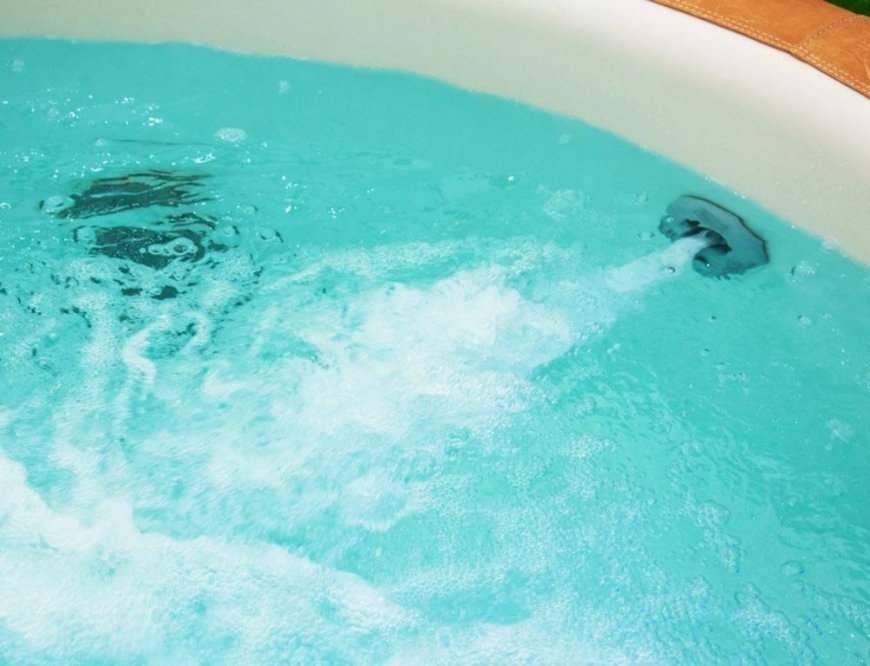
A swimming pool should have clear, inviting water that makes it easy to relax, exercise, and enjoy time outdoors. However, when the water develops a cloudy white appearance, it can become difficult to determine whether the problem is related to chemicals, filtration, or mineral buildup. Milky pool water is a common maintenance concern that can develop after heavy swimming, rainfall, poor circulation, or changes in water chemistry. Although the issue is often manageable, adding chemicals without identifying the cause may make the water harder to balance. The most effective solution begins with accurate testing, followed by appropriate filtration and targeted treatment. Understanding these steps can help homeowners restore water clarity, protect pool equipment, and prevent recurring problems.
What Causes Milky Pool Water?
When the filtration system cannot remove these materials efficiently, the water may gradually become hazy or develop a dull, whitish appearance. Milky pool water usually indicates that fine particles are suspended in the water or that chemical conditions are encouraging minerals to form visible deposits. Dust, pollen, sunscreen, body oils, and other contaminants can enter an outdoor pool throughout the swimming season. Heavy pool use and environmental debris can make the problem worse, particularly when routine cleaning has been neglected.
Water chemistry can also contribute to cloudiness. High pH, elevated calcium hardness, and unsuitable overall water balance may encourage calcium carbonate to form tiny particles that remain suspended in the pool. These particles can make the water appear white or cloudy and may also contribute to scale deposits along the waterline. Low sanitizer levels or developing algae can cause additional water-quality problems, although algae often produces greenish or differently colored water rather than a purely milky appearance.
Filtration problems are another possible cause. A clogged filter, obstructed basket, poorly functioning pump, or inadequate circulation can prevent contaminants from being removed effectively. Even when chemical readings appear reasonable, suspended particles may continue circulating if the filtration system is not working properly. Because several problems can produce similar symptoms, homeowners should test the water and inspect the equipment before choosing a treatment.
Test Your Pool Water Before Choosing a Solution
Accurate testing is the first step toward restoring clear water. Use a suitable pool testing kit or consult a pool professional to measure pH, free chlorine, total alkalinity, and calcium hardness. Depending on the pool's sanitizer system and recent maintenance history, additional tests may also be useful. Record the readings and compare them with the recommendations for your specific pool rather than relying on the water's appearance alone.
For many residential pools, a pH range of approximately 7.2 to 7.8 is commonly recommended. However, the appropriate sanitizer level depends on the pool system, stabilizer concentration, and applicable guidance. Total alkalinity helps buffer changes in pH, while calcium hardness influences the likelihood of mineral scaling and the potential for water to affect certain pool surfaces. These factors interact, so adjusting one measurement without considering the others may not solve the cloudiness.
Avoid adding several chemicals at the same time without understanding their purpose and compatibility. Make the necessary adjustments according to product instructions, allow the recommended circulation period, and retest before proceeding with further treatment. Never mix pool chemicals together, and never combine chlorine products with acids because dangerous gases can be released. If test results are confusing or the water remains cloudy despite appropriate adjustments, a qualified pool technician can help identify the underlying problem.
Raising pH in Swimming Pool Water the Right Way
Pool pH affects sanitizer performance, swimmer comfort, and the condition of pool surfaces and equipment. When pH is too low, the water may become more corrosive to certain materials and cause discomfort for swimmers. Raising pH in swimming pool water may be necessary when testing confirms that the reading is below the recommended range. However, increasing pH will not automatically resolve milky water, particularly when the actual cause is poor filtration or excessive calcium saturation.
Common products used to raise pool pH include sodium carbonate, often called soda ash. Sodium bicarbonate, commonly used to increase total alkalinity, can also affect pH, but it generally raises alkalinity more substantially than pH. The appropriate product depends on the test results and the size of the required adjustment. Follow the manufacturer's dosage instructions and consider the pool's total alkalinity before choosing a treatment, because raising pH unnecessarily may increase the likelihood of calcium carbonate clouding in some pools.
After adding a pH-adjusting product, allow the water to circulate for the period specified on the label before retesting. Check total alkalinity and calcium hardness as well, particularly if the pool has a history of white deposits or persistent cloudiness. Avoid making repeated large adjustments without confirming the results. If the pH is already high, adding more pH increaser may worsen the problem, so investigate filtration and mineral balance instead.
Improve Filtration to Remove Suspended Particles
When chemical readings are within the recommended ranges, the filtration system should be the next focus. Pool filters remove suspended debris as water passes through the filter media, but accumulated dirt can restrict flow and reduce performance. Check the filter pressure against the manufacturer's guidance and compare it with the normal reading after cleaning. A noticeable increase may indicate that maintenance is needed, although the correct response depends on the type of filter installed.
Cartridge filters generally require removal and rinsing when cleaning is due. Sand and diatomaceous earth filters have different maintenance procedures, including backwashing where appropriate. Always follow the equipment manufacturer's instructions, and switch off the pump before opening or servicing equipment that may be pressurized. Clean the skimmer and pump baskets as well, since blockages can interfere with circulation and make it harder for the filtration system to remove contaminants.
After cleaning the equipment, allow the pool to circulate according to the service guidance for your system. Fine particles may take time to disappear because the filter needs to capture material that is already suspended throughout the water. Brush the pool surfaces and vacuum settled debris when appropriate. If the pressure remains abnormal, circulation is weak, or the water does not improve, arrange an inspection to determine whether the filter or pump requires further attention.
Additional Treatments for Persistent Cloudy Water
If proper testing and filtration do not restore clarity, the pool may need a targeted treatment. Pool clarifiers are designed to help certain fine particles combine into larger particles that the filter can capture more easily. They can be useful in some situations, but the correct product and dosage depend on the pool system and the nature of the contaminants. Always check product compatibility and follow the manufacturer's instructions to avoid creating additional filtration problems.
Flocculants work differently from many clarifiers by encouraging suspended particles to settle to the pool floor. The resulting material may need to be vacuumed out using a method specified by the product instructions, sometimes directly to waste rather than through the filter. Not every filtration system or pool setup is suitable for every flocculant treatment. If you are unfamiliar with the procedure, consult a pool professional before using one, as incorrect application can increase cleanup time and waste water.
If milky water continues to return, investigate whether an underlying issue is causing repeated contamination or mineral precipitation. High calcium hardness combined with elevated pH and alkalinity may contribute to scaling, while inadequate sanitation can allow other water-quality problems to develop. A professional can evaluate the combined test results and recommend a suitable treatment rather than relying on repeated chemical additions. Avoid swimming while the water is too cloudy to see the pool floor clearly or when sanitation and chemical conditions have not been confirmed as suitable.
How to Prevent Milky Pool Water From Returning
Preventing cloudy water begins with a consistent maintenance routine. Test the pool regularly, keep sanitizer levels within the recommended range, and monitor pH and total alkalinity. Remove leaves and floating debris before they accumulate, brush walls and steps, and clean baskets according to your pool's needs. Regular maintenance makes it easier to notice changes early and reduces the likelihood that minor problems will develop into major cleanup projects.
Pay attention to filtration performance and clean the filter according to the manufacturer's instructions. A filter that is maintained properly can remove suspended particles more effectively, while adequate circulation helps distribute treated water throughout the pool. After heavy swimming, storms, or periods of strong wind, check the water and remove additional debris as necessary. These simple habits are especially valuable for outdoor pools exposed to dust, pollen, and frequent temperature changes.
Water balance also plays a significant role in preventing mineral-related cloudiness. If your pool has high calcium hardness, discuss suitable management options with a qualified technician rather than repeatedly adjusting pH without considering the complete chemistry profile. Maintain written records of test results and chemical additions so you can recognize recurring patterns. When the same problem repeatedly appears, these records can help a professional determine whether the cause is related to chemistry, filtration, or another aspect of pool maintenance.
When to Seek Professional Pool Maintenance
Some cloudy-water problems can be corrected with routine cleaning and careful chemical adjustments, but others require specialized testing or equipment inspection. Consider professional assistance if the pool remains milky after the filter has been cleaned and confirmed chemical imbalances have been corrected. A technician can assess calcium saturation, sanitizer performance, circulation, and filtration condition to determine which factors are contributing to the problem. This approach can prevent unnecessary spending on products that do not address the actual cause.
Professional support is particularly helpful when the water develops persistent scale, chemical readings fluctuate repeatedly, or equipment shows signs of poor performance. Ask the technician to explain the test results, describe the likely cause, and outline the recommended treatment before approving additional work. A written service report can document the changes made and provide a reference if the problem returns. Clear communication also helps homeowners understand which maintenance tasks they can safely handle themselves.
Ultimately, restoring milky pool water requires a systematic approach that combines testing, appropriate chemical balance, effective filtration, and preventive maintenance. Raising pH in swimming pool water should only be done when measurements confirm that the level is too low, because unnecessary adjustments may worsen certain forms of cloudiness. By identifying the cause before treating the symptoms, following product safety instructions, and maintaining a consistent cleaning schedule, homeowners can improve water clarity and protect their pool equipment. Regular monitoring and timely professional guidance can help keep the swimming environment cleaner, more manageable, and ready to enjoy.
What's Your Reaction?
 Like
0
 Dislike
0
 Love
0
 Funny
0
 Angry
0
 Sad
0
 Wow
0