




















Phacoemulsification vs Laser Cataract Surgery: Key Differences
Understand the key differences between phacoemulsification and laser cataract surgery, including procedures, benefits, recovery, and suitability for different patients.

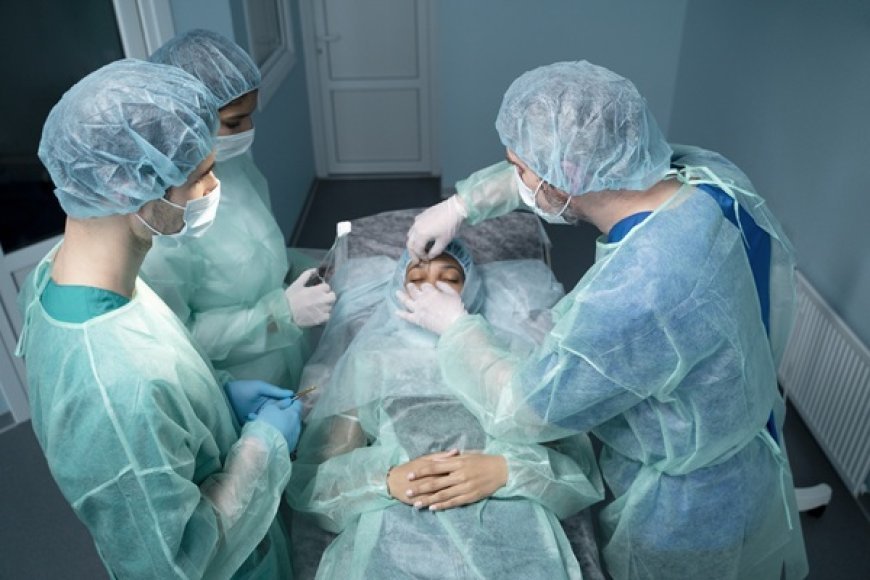
Cataracts are a common eye condition in which the natural lens becomes cloudy, causing blurred vision, glare, and difficulty seeing clearly. Cataract surgery helps restore vision by removing the cloudy lens and replacing it with an artificial intraocular lens (IOL). Two techniques used in cataract treatment are phacoemulsification and femtosecond laser-assisted cataract surgery.
Both techniques aim to remove the cloudy lens and improve vision. However, they differ in how certain steps of the procedure are performed. Understanding these differences can help patients make informed decisions with their eye surgeon.
What Is Phacoemulsification Cataract Surgery?
Phacoemulsification is a widely used modern technique for cataract surgery. During the procedure, the surgeon makes a small incision in the eye and uses an ultrasound-powered instrument to break the cloudy lens into smaller pieces. These fragments are then removed, and an artificial intraocular lens is implanted.
The procedure is generally performed under local or topical anaesthesia, depending on the patient's needs. The small incision usually allows the eye to heal without stitches.
Benefits of Phacoemulsification
-
Small incision: The procedure typically uses a small incision, helping support recovery.
-
Widely established technique: It has a long history of use in cataract treatment.
-
Efficient procedure: Surgery is usually completed within a relatively short period, depending on the complexity of the case.
-
Different lens options: Patients may be able to choose from various intraocular lenses based on their eye health and visual requirements.
-
Suitable for many patients: It is an appropriate option for many routine cataract cases, although suitability depends on individual circumstances.
What Is Laser Cataract Surgery?
Laser cataract surgery usually refers to femtosecond laser-assisted cataract surgery (FLACS). This technique uses a specialised laser to perform certain steps of the procedure, such as creating precise corneal incisions, making an opening in the lens capsule, and softening or fragmenting the cataract.
After the laser-assisted steps, the surgeon generally uses additional instruments, often including ultrasound technology, to remove the cloudy lens and implant the artificial lens. Therefore, laser cataract surgery does not usually eliminate the need for other surgical techniques.
Benefits of Laser Cataract Surgery
-
Laser-assisted precision: The laser can create selected incisions and openings with computer-guided precision.
-
Reduced ultrasound energy in some cases: Softening the cataract with a laser may reduce the ultrasound energy needed for lens removal in certain patients.
-
Assistance with selected surgical steps: The technology may be helpful when particular steps require precise execution.
-
Personalised surgical planning: Laser-assisted steps can be planned according to measurements of the patient's eye.
However, laser-assisted surgery is not automatically better for every patient. Its advantages can vary depending on the cataract, eye anatomy, surgeon's approach, and available technology.
Phacoemulsification vs Laser Cataract Surgery: Key Differences
The main differences relate to the technology used during surgery and the way certain steps are performed.
| Feature | Phacoemulsification | Laser-Assisted Cataract Surgery |
|---|---|---|
| Main technology | Ultrasound-powered instrument | Femtosecond laser for selected steps, often followed by ultrasound-assisted removal |
| Incisions | Created manually by the surgeon | Some incisions may be created using a laser |
| Lens capsule opening | Created manually using surgical instruments | May be created using a laser |
| Cataract softening | Ultrasound energy breaks up the lens | Laser may soften or fragment the lens before removal |
| Precision | Depends on surgical technique and instruments | Offers computer-guided precision for selected steps |
| Availability | Widely available in cataract surgery centres | Requires specialised laser equipment |
| Cost | Often more affordable | May cost more because of specialised technology |
| Suitability | Appropriate for many cataract cases | Depends on individual eye conditions and clinical assessment |
Which Cataract Surgery Is Better?
There is no single technique that is best for every patient. Phacoemulsification remains a well-established and effective option for most routine cataract procedures. Laser-assisted cataract surgery offers additional technology for certain surgical steps, but research has not consistently shown that it produces better final visual outcomes for every patient compared with conventional phacoemulsification.
The choice depends on factors such as cataract severity, corneal health, other eye conditions, the patient's visual needs, the surgeon's experience, and the availability of equipment.
Patients should also discuss the type of intraocular lens being considered. The choice between monofocal, toric, multifocal, or other lens designs may influence visual outcomes and the need for glasses after surgery.
Recovery After Cataract Surgery
Recovery varies from person to person, regardless of the technique used. Many patients notice improvements in their vision within the first few days, although complete healing and visual stabilisation can take several weeks.
After surgery, patients should follow their surgeon's instructions, use prescribed eye drops, attend follow-up appointments, and avoid rubbing or pressing on the operated eye. Activities such as swimming, heavy lifting, and strenuous exercise may need to be restricted temporarily.
Severe eye pain, sudden loss of vision, increasing redness, or a sudden increase in floaters requires urgent medical attention.
Conclusion
Both phacoemulsification and femtosecond laser-assisted cataract surgery are modern approaches to treating cataracts. Phacoemulsification is widely used and effective, while laser-assisted surgery provides additional precision for selected steps. The most appropriate option depends on the patient's eye condition, treatment goals, and the surgeon's assessment.
Consult an ophthalmologist for a comprehensive eye examination and personalised advice before deciding which cataract surgery technique is suitable for you.
What's Your Reaction?
 Like
0
 Dislike
0
 Love
0
 Funny
0
 Angry
0
 Sad
0
 Wow
0