





















Understanding Dry Hands and Choosing the Right Moisturizing Products

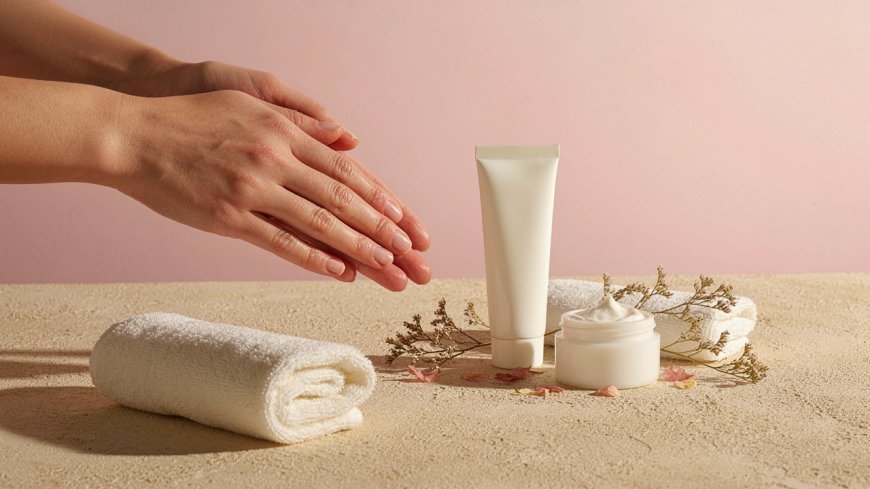
Dry hands are a common skin concern that can affect anyone, regardless of age or skin type. Frequent handwashing, cold weather, harsh soaps, cleaning products, and low humidity can gradually weaken the skin's natural protective barrier. As a result, hands may feel tight, rough, flaky, or uncomfortable. In more severe cases, dryness can lead to redness, cracking, and irritation.
The good news is that choosing suitable moisturizing products and following a consistent hand care routine can make a noticeable difference. Understanding why hands become dry and which ingredients support healthy skin helps you make better personal care choices. With the right approach, maintaining soft, comfortable hands does not require a complicated routine.
1. Why Do Hands Become Dry and Rough?
The skin on your hands faces frequent environmental exposure and daily friction. Unlike some other areas of the body, hands are regularly washed, exposed to different surfaces, and affected by household or workplace activities. These habits can remove natural oils that help maintain moisture.
Several factors contribute to dry hands:
-
Frequent washing: Repeated washing, especially with hot water, can strip away natural oils.
-
Harsh cleansing products: Strong soaps and alcohol-based products may contribute to dryness and irritation.
-
Weather conditions: Cold temperatures, wind, and low humidity increase moisture loss.
-
Household cleaning: Detergents and cleaning chemicals can weaken the skin barrier.
-
Natural skin changes: Aging and certain skin conditions can make hands more prone to dryness.
Recognizing the underlying cause is the first step toward choosing an effective moisturizing solution.
2. Understanding the Importance of the Skin Barrier
Your skin barrier is the outermost protective layer that helps retain moisture and defend against environmental irritants. When this barrier is healthy, skin generally feels smooth, flexible, and comfortable. However, repeated exposure to drying ingredients and environmental stressors can disrupt its function.
A weakened skin barrier allows water to escape more easily, leading to dryness and rough texture. This is why applying a moisturizer regularly is important. A suitable product does more than temporarily soften the skin; it can help support the barrier and reduce moisture loss.
Look for products formulated with skin-friendly ingredients, especially if your hands are frequently exposed to water, soap, or cleaning products. Consistent care can help maintain skin comfort and improve its overall appearance.
3. Key Moisturizing Ingredients to Look For
Not all hand creams and lotions offer the same benefits. Understanding common skincare ingredients makes it easier to select products that match your needs.
Here are some useful ingredients to consider:
-
Glycerin: A humectant that attracts water and helps maintain skin hydration.
-
Hyaluronic Acid: Helps bind water to the skin, supporting a hydrated and plump appearance.
-
Shea Butter: Provides emollient benefits that soften rough skin and improve comfort.
-
Ceramides: Help support the skin barrier and reduce moisture loss.
-
Petrolatum: Creates a protective layer that helps prevent water from escaping.
-
Panthenol: Also known as provitamin B5, it helps moisturize and soothe dry-feeling skin.
For particularly dry hands, consider richer creams containing a combination of humectants, emollients, and occlusive ingredients. This combination helps attract moisture, soften the skin, and seal in hydration.
4. How to Choose the Right Hand Moisturizer
Choosing a moisturizer should depend on your skin's condition, daily activities, and personal preferences. A lightweight lotion may be suitable for everyday use, while a thicker cream can provide more lasting comfort for severely dry areas.
Consider these factors when shopping:
For everyday dryness: Choose a lightweight cream or lotion with glycerin and hyaluronic acid. These ingredients help maintain hydration without leaving an overly heavy feeling.
For very dry hands: Look for richer formulas containing shea butter, ceramides, or petrolatum. They help protect the skin and reduce moisture loss.
For sensitive skin: Fragrance-free formulas with gentle ingredients are often a better starting point. Avoid products that cause stinging, redness, or discomfort.
For nighttime care: A thicker moisturizing cream or ointment can be useful before bedtime. Applying it generously allows the product to remain on the skin for longer without interfering with daytime activities.
When exploring nourishing personal care essentials, prioritize ingredient quality, skin compatibility, and consistent hydration rather than choosing a product based on packaging alone.
5. Building an Effective Daily Hand Care Routine
A simple routine can help prevent dryness and maintain comfortable skin throughout the day. The key is to replenish moisture regularly and minimize unnecessary irritation.
Follow these practical steps:
-
Wash gently: Use lukewarm water and a mild cleanser instead of hot water or harsh soaps.
-
Pat hands dry: Avoid rubbing aggressively with a towel, especially when your skin is already irritated.
-
Apply moisturizer immediately: Use hand cream while your skin is slightly damp to help retain hydration.
-
Reapply throughout the day: Moisturize after washing your hands and whenever they begin to feel dry.
-
Protect your hands: Wear suitable gloves when washing dishes, cleaning, or working with irritating substances.
-
Use overnight care: Apply a richer cream before sleeping to support hydration while you rest.
You can also extend your routine to include hand and foot care solutions that address dryness in other areas exposed to friction and environmental stress.
6. Common Hand Care Mistakes and When to Seek Help
Even with good intentions, certain habits can make dry hands worse. Using excessively hot water, skipping moisturizer after washing, applying heavily fragranced products to irritated skin, and exfoliating too frequently may increase discomfort.
Another common mistake is choosing a product based only on how quickly it absorbs. Fast-absorbing formulas can be convenient, but very dry skin may benefit more from a richer cream that provides longer-lasting protection.
If you want to find moisturizing hand care products, compare their ingredients and choose formulas that suit your skin's needs. Introduce new products gradually and discontinue anything that causes irritation.
It is also important to recognize when dryness may be more than a simple skincare concern. Persistent itching, painful cracks, bleeding, swelling, or inflammation could indicate eczema, contact dermatitis, or another skin condition. If symptoms continue despite regular moisturizing or become severe, consult a dermatologist for appropriate guidance.
Final Thoughts
Healthy-looking hands start with understanding what causes dryness and giving the skin the moisture and protection it needs. Gentle cleansing, regular moisturizing, protective habits, and suitable skincare ingredients can all contribute to softer and more comfortable skin.
Rather than relying on occasional treatments, make hand care part of your everyday personal care routine. By selecting products that support the skin barrier and match your individual needs, you can maintain smoother hands and protect them against common sources of dryness.
What's Your Reaction?
 Like
0
 Dislike
0
 Love
0
 Funny
0
 Angry
0
 Sad
0
 Wow
0