



















What Makes Mechanical Watches Different From Modern Digital Watches?

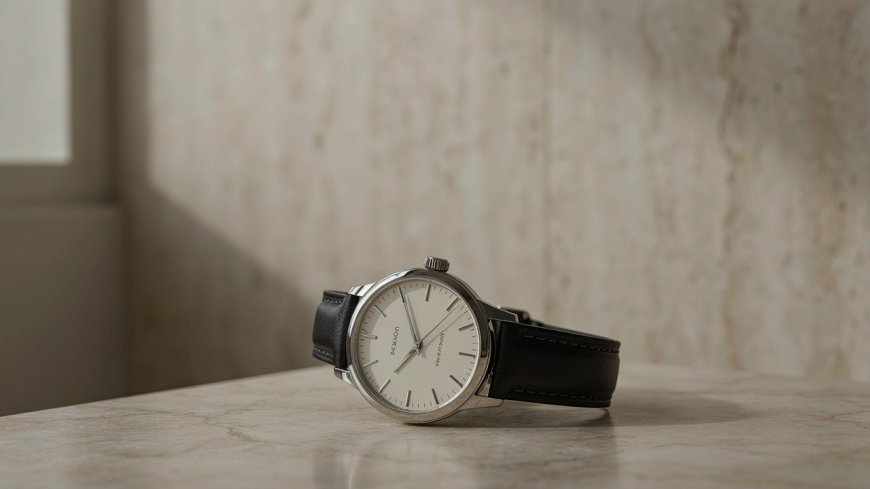
Watches have evolved significantly over the years, transforming from simple timekeeping instruments into fashionable accessories and advanced technological devices. Today, two popular choices stand out: traditional mechanical watches and modern digital watches. Although both serve the same basic purpose of telling time, their designs, technology, functionality, and overall experiences are quite different.
Mechanical watches represent traditional craftsmanship, combining intricate components and carefully engineered movements to measure time. Digital watches, on the other hand, rely on electronic technology to deliver accurate timekeeping and convenient features. Understanding these differences can help you choose a watch that suits your lifestyle, personal taste, and everyday needs.
Let's explore what makes these two types of watches unique and why mechanical designs continue to attract watch enthusiasts.
1. Understanding How Mechanical and Digital Watches Work
The most important difference between mechanical and digital watches is the technology behind their operation.
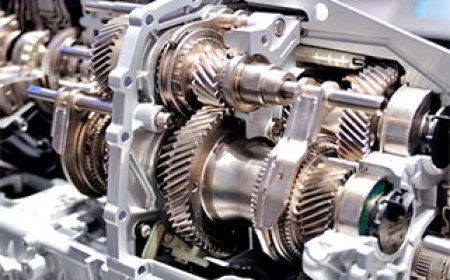
A mechanical watch uses a complex system of tiny components, including gears, springs, and wheels, to keep time. Its mainspring stores energy when wound, either manually by the wearer or automatically through the natural movement of the wrist. This stored energy gradually releases through the movement, allowing the hands to display the time.
Digital watches work differently. They generally use a battery or rechargeable power source to operate an electronic circuit. A quartz crystal helps regulate timekeeping by vibrating at a consistent frequency. The watch then displays the time using an LCD or LED screen.
While both technologies are designed to measure time, mechanical watches showcase traditional engineering, whereas digital watches emphasize electronic efficiency and convenience.
2. Craftsmanship and Design: Tradition Meets Technology
One of the biggest attractions of mechanical watches is their craftsmanship. Each movement contains numerous carefully assembled components that work together to maintain accurate time. Depending on the design, a mechanical movement may contain dozens or even hundreds of individual parts.
Many watchmakers invest considerable skill and attention into creating these movements. Some designs feature transparent case backs, allowing owners to observe the intricate mechanisms operating inside.
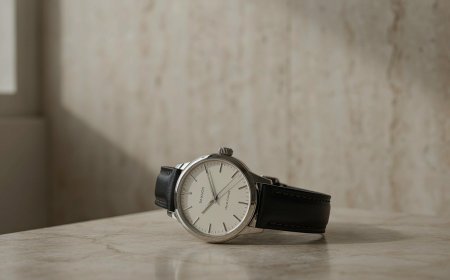
This attention to detail gives sophisticated mechanical timepieces a distinctive character. They often feature polished cases, elegant dials, textured surfaces, and beautifully designed hands.
Digital watches usually follow a more practical design approach. Their displays prioritize readability, functionality, and ease of use. Some feature sporty designs, while others offer minimalist appearances suited to everyday outfits.
Ultimately, mechanical watches appeal to people who appreciate traditional craftsmanship, while digital watches attract those who prefer modern styling and practical technology.
3. Accuracy and Timekeeping Performance
Accuracy is another important factor when comparing mechanical and digital watches.
Digital watches, particularly quartz models, are generally more accurate than traditional mechanical watches. Their electronic circuits use consistent crystal vibrations to measure time, resulting in minimal daily time differences.
Mechanical watches operate through physical components, which can be influenced by several factors. Temperature changes, gravity, movement, and the condition of the mechanism may affect their accuracy. Even well-made mechanical watches can gain or lose a few seconds each day.
However, this does not mean mechanical watches are unreliable. Quality movements are carefully engineered and tested to maintain consistent performance.
For people who require highly precise timekeeping with minimal adjustment, digital watches are often the practical choice. Those who appreciate engineering and traditional watchmaking may find the small variations of mechanical movements part of their charm.
4. Features, Convenience, and Everyday Functionality
Modern digital watches are designed to offer much more than basic timekeeping. Depending on the model, they may include alarms, stopwatches, countdown timers, backlighting, calendars, multiple time zones, and even fitness-tracking capabilities.
Smart digital watches can offer additional functions such as notifications, health monitoring, GPS navigation, and smartphone connectivity.
Mechanical watches generally focus on essential timekeeping and traditional complications. Some models include additional features such as date displays, moon phases, chronographs, and power reserve indicators.
Although they may not provide the extensive functionality of digital watches, their simplicity is part of their appeal. They offer a focused experience without requiring software updates, notifications, or regular interaction with electronic features.
For everyday convenience and multifunctional performance, digital watches have an advantage. For those who prefer a traditional accessory with an emphasis on design and engineering, mechanical watches offer something different.
5. Maintenance, Durability, and Long-Term Value
Maintenance requirements also vary between mechanical and digital watches.
Mechanical watches need periodic servicing to keep their internal components working smoothly. Over time, lubricants can deteriorate, and individual components may require cleaning, adjustment, or replacement. With proper maintenance, a quality mechanical watch can remain functional for decades.
Digital watches generally require less mechanical maintenance. Battery replacement or charging may be necessary, depending on the model. However, electronic components, screens, and rechargeable batteries can eventually wear out or become difficult to repair.
Durability depends heavily on construction and intended use. Many digital watches are designed with shock resistance and water resistance, making certain models suitable for sports and outdoor activities. Mechanical watches can also be durable, although their internal movements may require greater protection against impacts.
A well-maintained mechanical watch can become a long-term personal accessory and, in some cases, a treasured family keepsake. While not every mechanical watch increases in value, certain models from respected manufacturers can attract interest from collectors.
6. Which Watch Is Right for Your Personal Style?
Choosing between mechanical and digital watches ultimately depends on your priorities.
If you value traditional engineering, elegant design, and the beauty of intricate movements, a mechanical watch may be the better option. It can complement formal clothing, business attire, and casual outfits while adding a timeless touch to your appearance.
Building a mechanical wristwatch collection also allows you to explore different case designs, dial styles, movement types, and finishing techniques. Some enthusiasts enjoy owning multiple watches for different occasions, while others prefer one versatile timepiece.
Classic mechanical watches remain especially appealing because their designs are not tied to changing digital trends. Their combination of craftsmanship and traditional styling gives them a lasting place in watch culture.
Digital watches are better suited to people who prioritize convenience, accuracy, and additional features. They are practical for workouts, travel, busy schedules, and situations where quick access to multiple functions is useful.
There is no universal winner. The right choice is the one that matches your daily routine, personal preferences, and expectations.
Final Thoughts
Mechanical and digital watches represent two different approaches to timekeeping. Mechanical watches celebrate traditional craftsmanship, intricate engineering, and timeless design, while digital watches focus on precision, convenience, and modern functionality.
Neither option is automatically better than the other. Your decision should depend on what you value most in a timepiece. If you appreciate the artistry behind traditional watchmaking, a mechanical watch can be a meaningful addition to your style. If you prefer practical features and straightforward operation, a digital watch may suit you better.
Explore the world of thoughtfully designed watches at GiftLuxWatch and discover a timepiece that reflects your personality, lifestyle, and appreciation for great design.
What's Your Reaction?
 Like
0
 Dislike
0
 Love
0
 Funny
0
 Angry
0
 Sad
0
 Wow
0