

























What to Expect from Professional Commercial Hydroseeding Services
Professional hydroseeding is most effective when application and maintenance are treated as parts of the same landscaping plan. Before work begins, coordinate with your contractor to confirm site access, construction schedules, irrigation availability, and any areas that must remain undisturbed.

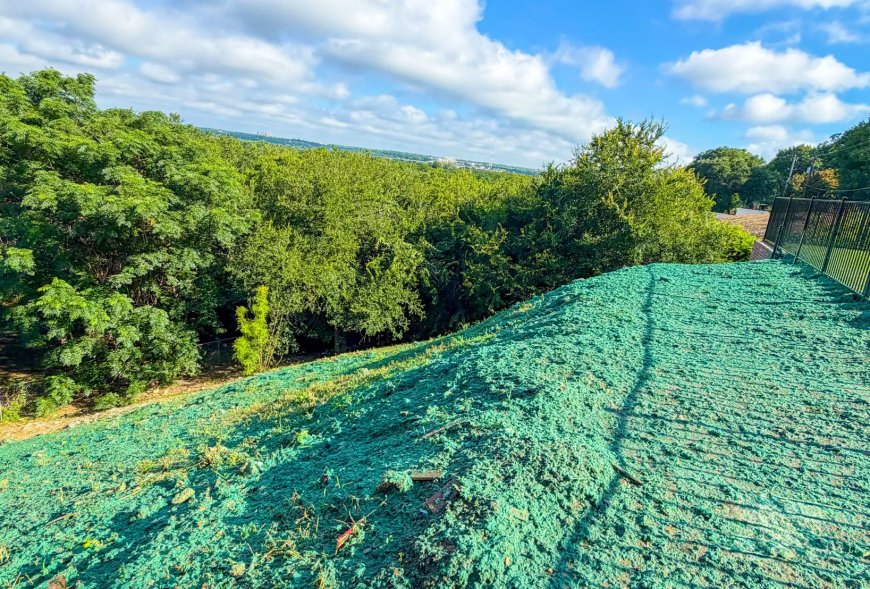
Establishing healthy, attractive grass across a commercial property requires more than spreading seed and hoping for the best. Large landscapes, construction sites, business parks, roadside areas, and industrial developments often need an efficient approach to vegetation establishment. This is where commercial hydroseeding services can make a meaningful difference. Hydroseeding uses a specially prepared mixture of grass seed, water, mulch, and other suitable materials to distribute seed evenly across prepared soil. When performed by experienced professionals, the process can help improve seed-to-soil contact, support consistent germination, and establish vegetation across extensive areas. Understanding what the service involves helps property owners, contractors, and developers make informed decisions about their landscaping projects.
Understanding Professional Commercial Hydroseeding Services
Commercial hydroseeding is a landscaping method designed to establish grass efficiently across medium-sized and large properties. Instead of placing individual grass seeds by hand, professionals spray a slurry containing seed, water, mulch, and other selected ingredients over the prepared ground. Depending on the project, the mixture may also include fertilizer, soil amendments, or tackifiers that help hold the material in place. The specific formula depends on soil conditions, grass species, slope, climate, and the intended use of the property.
Businesses often choose this method when traditional seeding would require considerable labor or when a large area needs consistent coverage. Commercial hydroseeding services can be suitable for office complexes, commercial developments, warehouse properties, road construction projects, sports grounds, and newly graded land. The application process can cover broad areas relatively quickly, making it practical for projects with demanding schedules. However, successful results still depend on proper preparation, suitable seed selection, favorable growing conditions, and ongoing maintenance.
What Happens During the Initial Site Assessment?
A professional hydroseeding project usually begins with an evaluation of the property. Before recommending a mixture or scheduling the application, the contractor examines the soil, drainage patterns, ground slope, sunlight exposure, and existing vegetation. These details help determine which grass varieties are most appropriate and whether the site requires grading, debris removal, or soil improvement. An accurate assessment also helps identify potential challenges, including compacted soil, erosion-prone areas, and locations where water may collect.
For commercial properties, planning is particularly important because different sections of the same site may serve different purposes. A roadside embankment may require erosion-resistant vegetation, while a landscaped area outside an office building may need grass that tolerates regular foot traffic. Contractors should also consider local weather patterns and the expected maintenance schedule. A thorough assessment establishes realistic expectations, supports better material selection, and reduces the likelihood of avoidable problems after application.
How the Commercial Hydroseeding Process Works
Once the site assessment is complete, the contractor prepares the ground for seeding. This stage may involve removing rocks, construction debris, weeds, and unwanted vegetation before correcting uneven surfaces. Soil compaction may need to be addressed, and grading can help direct water away from buildings and other sensitive areas. Where necessary, the contractor may recommend adding topsoil or incorporating soil amendments to improve growing conditions. Good preparation creates a more suitable environment for seed germination and helps the applied mixture make effective contact with the soil.
The next step involves selecting the appropriate seed blend and preparing the hydroseeding slurry. Depending on the project requirements, the mixture may contain grass seed, water, mulch fibers, fertilizer, and a binding agent. The contractor loads the mixture into specialized equipment and sprays it across the prepared surface in a controlled, even application. Professional operators adjust their approach to accommodate the site's size, accessibility, slope, and planting requirements. After application, the property owner receives guidance on watering, traffic restrictions, and other care practices that support healthy grass development.
Choosing the Right Grass Seed and Materials
The quality of a hydroseeding project depends partly on choosing materials that match the property's conditions. Grass varieties differ in their tolerance for heat, shade, drought, foot traffic, and soil characteristics. A commercial landscape that receives full sunlight may require a different seed blend from an area beneath mature trees or beside a building. Contractors should consider regional growing conditions, seasonal timing, and the intended appearance and function of the finished landscape before making recommendations.
Mulch is another important component because it helps retain moisture around the seed and can reduce the impact of rainfall and surface runoff. Fertilizer may provide nutrients that support early growth, although its use and formulation should reflect the site's soil conditions and environmental requirements. Tackifiers can help the slurry adhere to the ground, particularly on slopes or areas exposed to erosion. Reputable contractors explain why specific materials are recommended rather than relying on the same mixture for every project. This customized approach supports more appropriate planting decisions and helps property managers understand what they are paying for.
Expected Results, Germination, and Maintenance
One of the most common questions about commercial hydroseeding concerns how quickly grass will appear. Germination time varies according to the seed species, soil temperature, moisture levels, weather, and quality of site preparation. Some grass varieties begin sprouting within a week or two under favorable conditions, while others take longer. Establishing a dense, mature lawn requires additional time, and the initial green growth should not be mistaken for a fully developed landscape.
Watering is especially important during the early stages. The soil generally needs consistent moisture without becoming waterlogged or developing excessive runoff. Property managers should follow the contractor's watering instructions and adjust the schedule for rainfall, temperature, and site conditions. Heavy foot traffic, vehicle movement, and premature mowing can damage young seedlings before they become established. Depending on the grass variety and growing environment, the lawn may require several weeks or longer to develop sufficient strength for regular use. Professional guidance helps businesses protect their investment and address developing issues before they become more difficult to manage.
Benefits of Hiring an Experienced Hydroseeding Contractor
Working with an experienced contractor offers several advantages for commercial landscaping projects. Specialized equipment allows crews to distribute the seed mixture over large areas efficiently, while knowledge of soil preparation and seed selection helps address site-specific requirements. Professional application can also improve coverage across areas that are difficult to seed manually, including broad embankments and irregularly shaped grounds. Although results cannot be guaranteed under every condition, proper planning and execution can reduce common problems associated with uneven application or unsuitable materials.
Hydroseeding may also offer cost advantages compared with some alternative establishment methods, particularly when large areas need vegetation and premium sod installation is unnecessary. The actual cost depends on the size of the property, accessibility, seed blend, soil preparation, erosion-control needs, and follow-up work. Property managers should request a detailed estimate that identifies included services, material specifications, and any additional charges. Comparing proposals on the basis of scope and quality, rather than price alone, makes it easier to choose a contractor who understands commercial project requirements.
How to Find a Reliable Hydroseeding Company Near Me
Searching for a hydroseeding company near me is a useful starting point when planning a commercial landscaping project. However, proximity should not be the only factor in your decision. Look for a contractor with relevant experience in commercial properties, construction sites, roadside vegetation, or other projects similar to yours. Ask to see examples of completed work and determine whether the company understands the soil conditions, grass varieties, and environmental challenges common in your area.
Before hiring a provider, request a written estimate and ask questions about site preparation, seed selection, application methods, watering requirements, and expected establishment times. A dependable contractor should explain the process clearly, identify factors that may affect results, and provide practical aftercare instructions. It is also worth checking customer reviews, references, insurance coverage, and the company's communication practices. Be cautious of promises of immediate results or guaranteed coverage regardless of weather and soil conditions. A transparent contractor sets realistic expectations and helps you understand both the benefits and limitations of hydroseeding.
Preparing Your Commercial Property for Long-Term Success
Professional hydroseeding is most effective when application and maintenance are treated as parts of the same landscaping plan. Before work begins, coordinate with your contractor to confirm site access, construction schedules, irrigation availability, and any areas that must remain undisturbed. If the property is still undergoing construction, make sure heavy equipment and vehicle routes are planned to avoid damaging newly seeded ground. Clear communication between property managers, construction teams, and landscaping professionals helps prevent unnecessary delays and protects the finished work.
After application, follow the recommended watering and maintenance schedule, monitor areas where runoff may occur, and report unusual bare patches or signs of erosion to the contractor. Adjust maintenance practices as the grass develops and avoid applying additional fertilizer or treatments without appropriate guidance. For commercial properties, successful vegetation establishment can improve curb appeal, help stabilize exposed soil, and create a more finished appearance around buildings and infrastructure. By choosing a qualified provider and supporting the new growth with consistent care, businesses can make a more informed investment in a healthy, functional landscape.
What's Your Reaction?
 Like
0
Like
0
 Dislike
0
Dislike
0
 Love
0
Love
0
 Funny
0
Funny
0
 Angry
0
Angry
0
 Sad
0
Sad
0
 Wow
0
Wow
0