























What Makes Sulphur Black a Popular Choice for Denim Dyeing?
Discover why Sulphur Black is widely used in denim dyeing, including its benefits, dyeing process, colour properties and applications in cotton textile manufacturing.

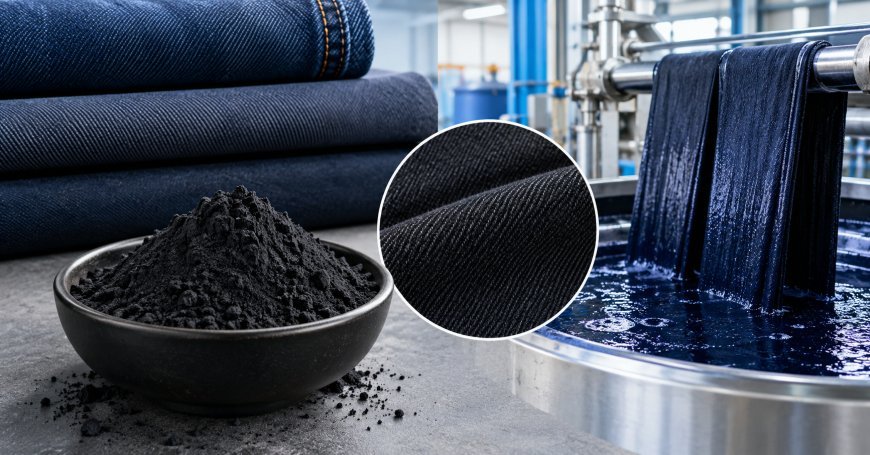
Denim is one of the most widely used fabrics in the textile industry, valued for its durability, versatility and timeless appeal. While blue denim remains a classic choice, black denim has also become popular across fashion, workwear and casual clothing. Achieving a deep, consistent black shade requires selecting the right dye and maintaining proper control over the dyeing process.
Sulphur Black is commonly used in cotton textile processing because it can produce deep black shades and is suitable for industrial dyeing applications. Its performance depends on several factors, including dye quality, processing conditions, chemical balance and after-treatment. Understanding these factors helps textile manufacturers make better decisions about dye selection and maintain consistent results during production.
What Is Sulphur Black and How Is It Used in Denim Dyeing?
Sulphur Black is a sulphur-based dye primarily used for colouring cotton and other suitable cellulosic fibres. It is particularly recognised for producing deep black shades, making it a useful colourant in denim and other textile applications.
Unlike dyes that dissolve directly in water, conventional sulphur dyes are generally converted into a soluble reduced form before application. This allows the dye to enter the cotton fibres during processing. After the fabric has absorbed the dye, oxidation helps convert it back into its insoluble coloured form within the fibre structure.
In denim manufacturing, Sulphur Black can be used to produce black cotton fabric and yarn for different garment applications. The final appearance depends on the dye formulation, fabric preparation, processing conditions and finishing methods.
Why Do Denim Manufacturers Prefer Sulphur Black?
Choosing a suitable dye is important for manufacturers who need consistent colour, reliable processing and manageable production costs. Sulphur Black offers several practical advantages for cotton-based textile manufacturing.
Deep and Consistent Black Shades
One of the main reasons manufacturers use Sulphur Black is its ability to produce deep black shades. This makes it suitable for denim products where a dark, uniform appearance is required.
With proper dye preparation and process control, manufacturers can achieve consistent colour results across production batches. This is particularly important when producing large quantities of black denim for clothing brands and garment manufacturers.
Strong Affinity for Cotton Fibres
Sulphur Black is commonly used for cotton because its application process is compatible with cellulosic fibres. During dyeing, the reduced dye penetrates the fibre structure before oxidation develops the final colour.
Proper fabric preparation and dye bath management help improve the uniformity of colour throughout the material.
Suitable for Large-Scale Textile Production
Denim manufacturing often involves processing substantial quantities of fabric or yarn. Sulphur dyes are established in industrial textile operations and can be incorporated into suitable continuous or batch dyeing systems.
For manufacturers, this makes Sulphur Black a practical option when production requirements involve consistent black shades across larger quantities.
Cost-Effective Dyeing Option
Production costs are an important consideration in textile manufacturing. Sulphur Black is often considered for applications where deep black shades and economical processing are required.
However, the actual cost depends on dye concentration, dosage, processing efficiency, water consumption, chemical requirements and finishing operations. Manufacturers should assess the overall production cost rather than comparing dye prices alone.
How Does the Sulphur Black Denim Dyeing Process Work?
The dyeing process plays an important role in determining the final colour, appearance and quality of denim fabric. Sulphur Black requires controlled chemical treatment to ensure that the dye is converted into a suitable form for application.
Although exact processing conditions vary depending on the dye grade, machinery and manufacturer's formulation, the general process involves the following stages.
Preparing the Cotton Fabric
Before dyeing begins, cotton fabric or yarn needs to be properly prepared. Natural impurities, oils, waxes and other residues can interfere with dye absorption and lead to uneven colour.
Fabric preparation generally involves cleaning and scouring to create a suitable surface for the dyeing process. Proper preparation helps achieve more uniform results.
Preparing and Reducing the Dye Bath
Conventional Sulphur Black dyes are generally insoluble in water in their original form. They must first be reduced using suitable reducing agents under controlled alkaline conditions.
This process converts the dye into a soluble form that can be applied to cotton fibres. The concentration of chemicals, temperature and processing time need to be monitored carefully.
Applying the Dye to Denim Fabric
Once the dye bath is ready, the prepared cotton material is introduced into the dyeing system.
The soluble dye penetrates the cotton fibres during this stage. Depending on the production setup, manufacturers may use suitable batch or continuous dyeing methods to achieve the required shade.
Consistent circulation, appropriate dye concentration and controlled processing conditions help minimise uneven colouring.
Oxidation and Final Colour Development
After dye application, the fabric undergoes oxidation. During this stage, the reduced dye is converted back into its insoluble coloured form.
This develops the characteristic black shade within the cotton fibre structure. Oxidation conditions need to be properly controlled to achieve the desired colour development.
Washing and Finishing the Fabric
After oxidation, the fabric is washed to remove excess dye and processing residues. Additional finishing treatments may be used depending on the required fabric appearance and end application.
Proper washing is particularly important because insufficient removal of unfixed dye can affect rubbing fastness and cause colour transfer during handling or garment use.
Key Properties of Sulphur Black in Denim Manufacturing
Understanding the properties of Sulphur Black helps manufacturers determine whether it is suitable for their specific denim production requirements.
Colour Strength and Shade Performance
Sulphur Black is valued for its ability to produce deep black shades on cotton fabrics. The final colour strength depends on the dye grade, concentration, application method and oxidation conditions.
Manufacturers should conduct shade trials before large-scale production to confirm that the selected dye meets their requirements.
Washing and Rubbing Fastness
Colour fastness determines how well a dyed fabric retains its colour under different conditions.
Sulphur Black can offer useful washing and rubbing fastness when properly applied and after-treated. However, actual performance varies with the dye formulation and processing method.
Testing is recommended to assess colour transfer, washing resistance and dry and wet rubbing performance before approving a production batch.
Dye Compatibility with Cotton Fabrics
Sulphur Black is primarily used for cellulosic fibres, particularly cotton. This makes it relevant to denim manufacturing, where cotton is a major raw material.
For blended fabrics, manufacturers should assess the fibre composition and select a dyeing process that addresses the different dyeing requirements of each fibre.
Performance in Industrial Dyeing Processes
Sulphur Black is an established option in industrial cotton dyeing. Its suitability for a particular production line depends on machinery, processing conditions, chemical handling facilities and required fabric specifications.
Manufacturers should evaluate these factors before selecting a particular grade for regular production.
What Factors Affect Sulphur Black Dyeing Quality?
Even when manufacturers use a suitable dye, poor process control can affect the final result. Several factors need attention to maintain colour consistency and reduce production issues.
Dye Quality and Concentration
The quality and concentration of Sulphur Black directly influence the final shade. Differences between dye batches may result in variations in colour strength or appearance.
Purchasing from a consistent and dependable source helps manufacturers maintain better control over incoming material quality. Checking product specifications and testing samples before bulk procurement can also reduce potential issues.
Temperature and Processing Time
Temperature and processing time influence dye reduction, application and oxidation. Incorrect conditions may affect dye penetration and colour development.
Manufacturers should follow the recommended technical specifications for the selected dye grade instead of relying on general processing conditions.
Chemical Balance and Dye Bath Conditions
Sulphur Black dyeing involves controlled chemical conditions, particularly during the reduction stage. Incorrect chemical concentrations or an unsuitable alkaline environment can interfere with the dyeing process.
Regular monitoring of the dye bath helps maintain consistency and reduces the risk of processing variations.
Washing and After-Treatment
Washing and after-treatment are important for removing residual chemicals and unfixed dye from the fabric.
Inadequate washing can contribute to colour bleeding, staining and rubbing issues. Manufacturers should select appropriate washing and finishing procedures based on the intended fabric application.
Sulphur Black vs Other Black Dyes for Denim Manufacturing
Not all black dyes behave in the same way. Different dye types have different application methods, fibre compatibility, processing requirements and performance characteristics.
|
Comparison factor |
Sulphur Black |
Reactive Black |
Direct Black |
|
Main fibre application |
Cotton and other cellulosic fibres |
Mainly cotton and cellulosic fibres |
Cotton and cellulosic fibres |
|
Dyeing method |
Reduction and oxidation |
Reactive dye application and fixation |
Direct application from an aqueous bath |
|
Colour range |
Commonly used for deep black shades |
Available in different black shades |
Available in different black shades |
|
Processing requirements |
Requires reducing and oxidising stages |
Requires suitable fixation conditions |
Requires appropriate dye bath conditions |
|
Typical considerations |
Chemical handling and oxidation control |
Fixation and washing requirements |
Wet fastness and after-treatment |
The most suitable option depends on the required shade, fabric composition, fastness standards, production equipment and overall processing costs.
For manufacturers producing cotton denim in deep black shades, Sulphur Black can be a practical option. However, testing different dye systems is important before finalising a production process.
Common Sulphur Black Dyeing Problems and How to Avoid Them
Dyeing problems can affect fabric appearance, production efficiency and the quality of finished garments. Understanding their possible causes helps manufacturers take corrective action.
|
Common problem |
Possible cause |
Recommended approach |
|
Uneven black shade |
Poor fabric preparation or inconsistent dye application |
Improve preparation and monitor dye bath conditions |
|
Weak colour development |
Incorrect dye concentration or reduction conditions |
Check dye dosage and follow grade-specific instructions |
|
Colour bleeding |
Inadequate washing or removal of unfixed dye |
Review washing and after-treatment procedures |
|
Poor rubbing fastness |
Residual surface dye or unsuitable processing conditions |
Improve washing and conduct rubbing tests |
|
Batch-to-batch variation |
Inconsistent dye quality or processing parameters |
Maintain material specifications and standardise production conditions |
Manufacturers should also maintain proper records of dye batches, chemical concentrations, processing temperatures and finishing methods. These records make it easier to identify the cause of recurring issues.
Important: Sulphur Black processing can involve chemicals that require careful handling. Manufacturers should follow the supplier's safety data sheet (SDS), use suitable protective equipment and manage sulphide-containing wastewater appropriately.
How to Choose the Right Sulphur Black for Denim Production?
Selecting the right dye is an important purchasing decision for textile and denim manufacturers. Product quality, consistency and suitability for the intended application should be considered before placing a bulk order.
Here are some important points to evaluate:
-
Check product specifications: Review the dye grade, colour strength, concentration and technical specifications before purchasing.
-
Evaluate shade consistency: Ask for samples and conduct testing to confirm that the dye produces the required black shade.
-
Consider application requirements: Ensure the selected grade is suitable for your cotton fabric, yarn and dyeing equipment.
-
Review packaging and storage: Check that the product is supplied in suitable packaging and stored according to its handling requirements.
-
Choose a dependable supplier: Work with an experienced supplier who can provide consistent product quality, technical documentation and reliable bulk supply.
Working with an experienced Sulphur Black Dealer can help textile manufacturers source suitable dye grades for their production requirements. Before confirming a bulk purchase, it is always advisable to review the product specifications and test a sample.
Frequently Asked Questions About Sulphur Black Dyeing
Why is Sulphur Black commonly used for denim?
Sulphur Black is commonly used in denim manufacturing because it can produce deep black shades on cotton fabrics. It is also suitable for established industrial dyeing processes and can be an economical option for large-scale textile production.
Is Sulphur Black suitable for cotton denim?
Yes. Sulphur Black is widely used for cotton and other cellulosic fibres. Its reduced form can penetrate cotton fibres before oxidation develops the final colour.
Does Sulphur Black provide good washing fastness?
Sulphur Black can provide suitable washing fastness when the correct dye grade, application method and after-treatment process are used. Actual results should be verified through standard fabric testing.
What affects the final shade of Sulphur Black?
The final shade depends on several factors, including dye concentration, product quality, fabric preparation, reduction conditions, temperature, oxidation and washing.
How can denim manufacturers maintain consistent black shades?
Manufacturers can improve shade consistency by using standardised dyeing procedures, maintaining consistent raw material quality, monitoring chemical concentrations and conducting regular shade testing.
Conclusion
Sulphur Black continues to be an important dyeing option for manufacturers looking to produce deep black shades on cotton denim. Its suitability for industrial processing, compatibility with cotton fibres and potential cost advantages make it relevant to different textile applications.
However, achieving consistent results requires more than selecting the right dye. Proper fabric preparation, controlled dye bath conditions, suitable oxidation and effective after-treatment all contribute to the final fabric quality.
For textile manufacturers, choosing a suitable dye grade and sourcing it from a dependable supplier are equally important. Evaluating product specifications, checking samples and maintaining consistent processing standards can help achieve better results in denim production.
What's Your Reaction?
 Like
0
 Dislike
0
 Love
0
 Funny
0
 Angry
0
 Sad
0
 Wow
0